Mexico Cuts US Diesel Reliance, but Storage Covers 15 to 21 Days
Mexico now covers more of its diesel demand at home, but BBVA México says storage would last only 15 to 21 days if US imports stopped. What it means for prices.
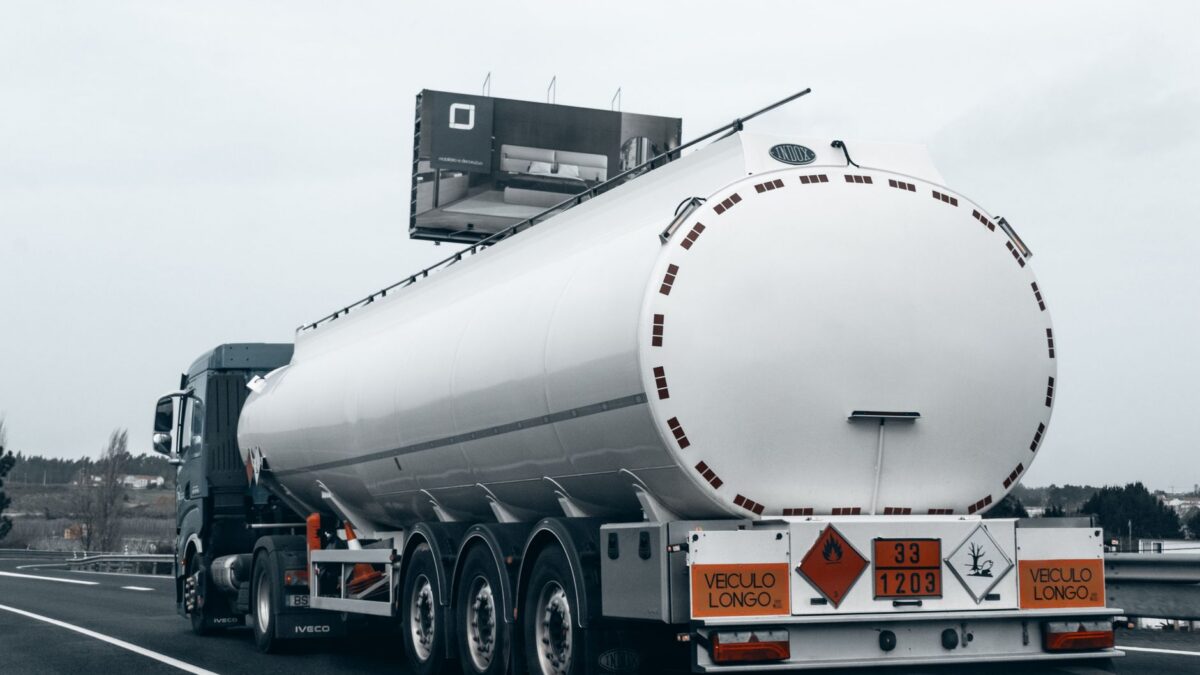
Mexico depends less on American diesel than it did in 2018, but its fuel tanks would run dry fast if shipments from the United States stopped. Mauricio Escalera Franco, senior economist at BBVA México, estimates that storage would cover only 15 to 21 days of consumption in that scenario, according to El Financiero.
Diesel moves freight, farm equipment and factories, so a shortage or price jump would reach the cost of food and manufactured goods.
How much diesel Mexico still imports
Mexico still buys about 220 thousand barrels per day of diesel from the United States, Escalera Franco said. Around 95 percent of that comes from refineries on the US Gulf Coast.
In 2018, imports from the United States covered about 71 percent of national demand. The source gives the current share as 41 percent in its opening lines and 45 percent further down, so the exact figure is unclear. It says domestic production supplies the other 55 percent.
The economist credited higher refining output and the addition of the Dos Bocas refinery to the national refining system. Diesel refining rose from 135 thousand barrels per day in 2023 to 273 thousand in 2026, roughly doubling. In June, Dos Bocas processed almost 33 percent of all fuel refined in the country. In July 2026, Mexican refineries ran at 92 percent of capacity, against about 97 percent in the United States.
Why storage is the weak point
BBVA México used figures from the National Energy Commission (Comisión Nacional de Energía) that put maximum diesel storage capacity at 9 million barrels. Tanks are never full, because inventories are drawn down constantly to supply the market. Against a hypothetical halt of the 220 thousand barrels per day of imports, the bank calculated 15 to 21 days of coverage.
That calculation assumes Mexico could not buy diesel from other countries and could not raise its own output. The bank itself calls an interruption of that kind unlikely, since other suppliers could be contracted, and describes the exercise as a way to measure how well the country could respond.
What it means for prices and the economy
The risk goes beyond supply, Escalera Franco said, because diesel is hard to replace in many activities. According to Energy Ministry (Secretaría de Energía) figures he cited, transportation accounts for 75 percent of national diesel demand, agriculture for 16.5 percent and industry for 8.2 percent. A shortage or price rise in those sectors would spread through supply chains and could show up in the price of everyday goods, food and manufactured products.
There is also a cost to the federal budget. The IEPS excise tax on diesel is currently not being charged, which means less revenue for the government.
The international backdrop
Escalera Franco pointed to disruptions in fuel shipments through the Strait of Hormuz between February and August 2026, along with the effects of the war between Russia and Ukraine. He put the combined impact at an estimated 1.6 million barrels per day.
Mexico has so far held fuel price increases in check. The source attributes this partly to an agreement between the government and gas stations to avoid hikes, and partly to the reduced IEPS.
Source: telegra.ph