EU Defends 568 Protected Names in Mexico Deal as US Dairy Objects
The EU says its geographic-name protections in the Mexico trade deal stay, while US dairy makers contest feta, asiago and gruyere. What changes for cheese labels.
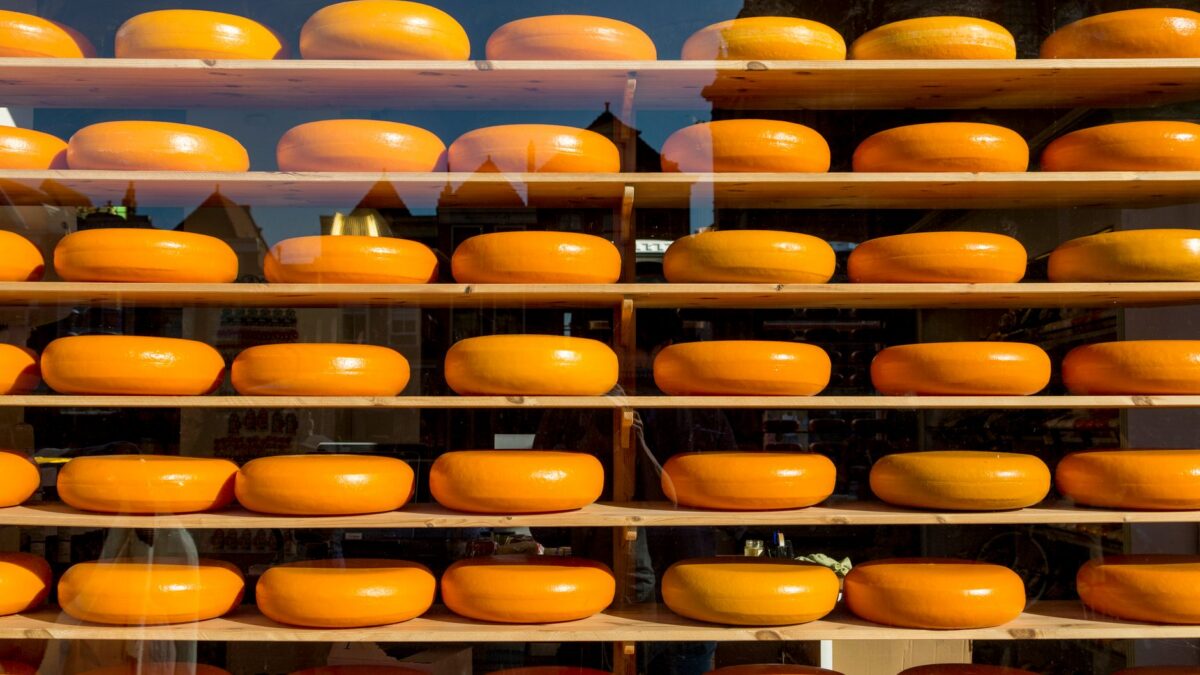
The European Union has defended the protected cheese names it agreed with Mexico in their modernized trade agreement, even though US dairy producers have taken their complaints to the review of the USMCA (known in Mexico as the T-MEC). The US producers object to restrictions on names such as feta, asiago and gruyere, which they consider generic, according to Expansión.
Viktoria Lovenberg, trade counsellor at the EU embassy in Mexico, was asked whether the US concerns could lead to changes in the EU deal. She defended the commitments and left the talks with Washington to Mexican officials. “Mexico has its negotiations with the United States,” she said, adding that this is the negotiators’ responsibility.
What the dispute is about
For the EU, names like feta identify products tied to specific regions and production methods. For US manufacturers, some of those names have long been used for cheeses made outside Europe. A protected geographic indication can restrict the commercial use of a name when a product does not meet the set requirements, even if it resembles the original. How far that goes depends on the agreement’s provisions and its exceptions.
The agreement lists 568 European geographic indications, according to the European Commission. Of these, 336 are food and drink products and 232 are spirits that Mexico already protected. Feta from Greece, fontina and Parmigiano Reggiano from Italy are among them, along with wines and cured meats.
What it means for cheese on Mexican shelves
Aurora López-Portillo, senior international intellectual property consultant at ClarkeModet México, said the protection does not mean cheeses will vanish from supermarkets or that sellers can no longer use the names. Companies will have to check whether their labels comply, she said, and could face costs for new labels, redesigned campaigns and withdrawn stock.
She said the USMCA does not bar Mexico from protecting European geographic indications, but it sets transparency guarantees, a way to file objections, and recognition of prior rights and common-use terms. Each name will need its own analysis. Mexico recognizes cheddar, gouda and mozzarella as common terms, though a compound name containing a generic word is not automatically free to use. Producers already selling under a name can file objections too. She expects a “tug of war” as Mexico balances US demands and its EU commitments.
Italy’s view and the cotija example
Italy’s ambassador to Mexico, Alessandro Modiano, backed the EU position and said the indications protect small and medium-sized firms tied to particular regions. He argued Mexico also benefits because it has traditional products that need protection from imitations.
Lorenzo Vianello, president of the Mexico-Italy Bilateral Business Committee, pointed to cotija. He said that after Mexican cotija producers organized with help from the Italian Chamber of Commerce, their price rose 200% and they began to export. That figure is his claim as quoted by Expansión.
What happens next
The agreement was signed on May 22, 2026, but is not yet fully in force. It has two parts: an interim trade agreement and a broader modernized global agreement. The interim one does not need ratification by each EU country. The global one needs approval in Mexico, the EU institutions and the member states.
Lovenberg said the EU has finished its procedures for the trade instrument and awaits Mexico’s remaining steps. After that, she estimated it could take a few weeks before it applies. The Commission estimates the deal will remove 95% of Mexico’s high tariffs still affecting European farm products, on different schedules by product.
Source: Expansión