Sheinbaum Presides Over Revolution Day Parade in the Zócalo
President Sheinbaum led the 116th Revolution Day parade in Mexico City on Nov. 20, hours after a China trip. What the speeches and floats covered.
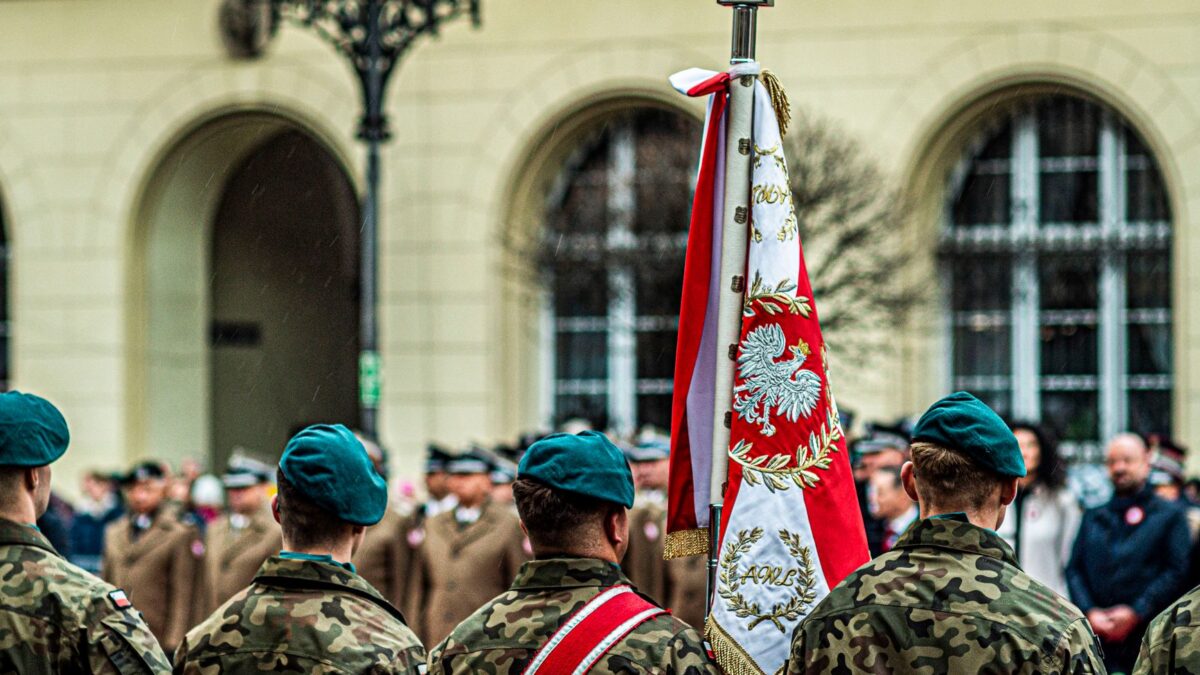
President Claudia Sheinbaum presided over the military-civic parade marking 116 years since the Mexican Revolution began on Friday, Nov. 20, according to Mexico News Daily. She did so hours after returning from a five-day trip to China.
The ceremony began at 10 a.m. local time in Mexico City’s Zócalo, the main square in the Centro Histórico. The parade then moved down Paseo de la Reforma, ending at the Monument to the Revolution.
The ceremony and speeches
Sheinbaum walked across the Zócalo with Defense Minister General Ricardo Trevilla and Navy Minister Admiral Raymundo Pedro Morales to raise the flag. The three then went to a podium in front of the National Palace for a short tribute to the military, followed by speeches that ended with the president’s.
Sheinbaum pointed to the 1917 Constitution, which the Revolution produced, calling it as the world’s most advanced charter for social justice at the time. She defended democratic freedoms and rejected elite privilege. She also recalled the Decena Trágica (the coup of February 1913, lasting 10 days, that removed President Francisco Madero) and accused political opponents and foreign interests of working to undermine her government and cast doubt on the 2027 midterm vote.
General Trevilla praised Sheinbaum, whom the report calls Mexico’s first female commander-in-chief. He reaffirmed the armed forces’ loyalty to the Constitution and to civilian leadership, and said the forces owe their strength and social makeup to the working-class and campesino (peasant farmer) origins of the Revolution.
Floats, performers and marching units
Before the floats arrived, performers in period costume cleared the square. Actors explained what the Revolution meant and why it is still celebrated, and soldaderas (women who fought alongside revolutionary troops) danced and sang corridos, a folk ballad tradition.
The floats showed events from the Revolution’s history:
- the 1908 Creelman interview, where Porfirio Díaz, after 34 years of authoritarian rule, suggested the country might open up;
- Madero’s 1910 Plan de San Luis, which called Mexicans to take up arms;
- the 1913 Plan de Guadalupe, a refusal to accept the 1913 coup;
- the 1914 Aguascalientes Convention, an attempt to bring the competing rebel camps together;
- the 1917 Constitution.
Troops then paraded out of the historic center and onto Paseo de la Reforma. The Defense Ministry’s mariachi band performed for the officials on the square. Spectators lined the route and cheered the participants, and many stayed afterward by the Monument to the Revolution to look at the military vehicles parked there.
Why it matters
The speech tied the Revolution’s history to current politics. Her accusation about the 2027 midterm elections, reported by Mexico News Daily, brings a current political dispute into a state ceremony. Both the march and the vehicle exhibit covered the historic center and Paseo de la Reforma.
The report drew on coverage from El Economista, La Razón and Milenio.
Source: Mexico News Daily