US Drones and Intelligence Helped Mexico Capture Chapo Isidro
Mexico captured trafficker Chapo Isidro with US intelligence and drones, according to the New York Times. See how the cooperation works and its political risks.
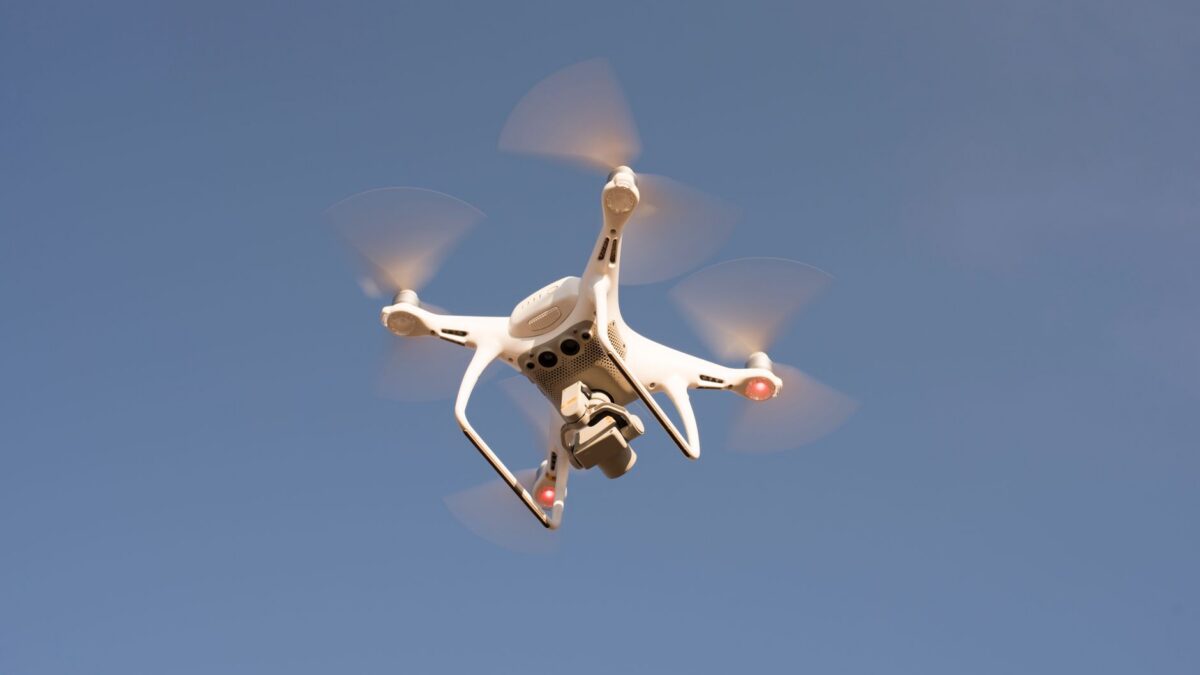
Mexican forces captured Fausto Isidro Meza, known as “Chapo Isidro,” on Friday, an operation that US officials say relied on American support. The New York Times reported Saturday that the United States flew drones over Mexican territory to follow his movements, according to El País.
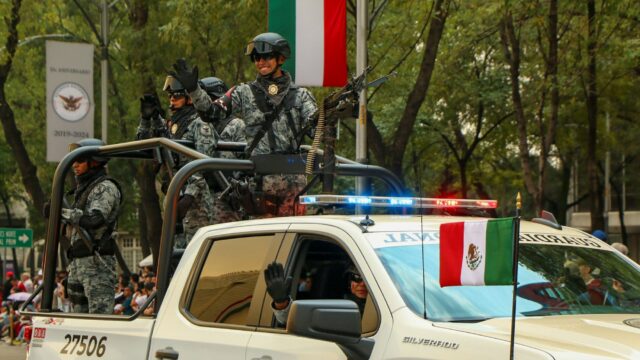
The arrest shows how far security cooperation between the two countries has gone under President Claudia Sheinbaum. Mexican authorities have said little about what Washington contributed.
What US officials said about the operation
US Attorney General Todd Blanche wrote on X on Saturday that the Mexican government’s operation was supported by an interagency effort that included the Homeland Security Task Force. Homeland Security Secretary Markwayne Mullin said the arrest demonstrated the “outstanding strength and reach” of that task force.
The New York Times also reported that a task force from the US Army’s Northern Command gave Mexican counterparts critical intelligence before the operation began. El País describes Chapo Isidro as one of the major drug traffickers operating in northwestern Mexico.
How the relationship changed
El País says the flow of intelligence from north to south also made possible the killing, months earlier, of Nemesio Oseguera, “El Mencho,” leader of the Jalisco New Generation Cartel (CJNG). The Mexican government counts both operations, and the killing of the former CJNG lieutenant “El Jardinero,” among its recent successes against organized crime.
The outlet contrasts this with the government of Andrés Manuel López Obrador (2018-2024), which was marked by mistrust. After the 2020 arrest in Los Angeles of former defense secretary Salvador Cienfuegos on drug-trafficking charges, López Obrador tightened restrictions on foreign agents in Mexico, particularly those of the US Drug Enforcement Administration (DEA).
Two changes brought the sides closer, according to El País. Omar García Harfuch, now coordinator of the Security Cabinet, exercises near-total control over civilian security agencies and works closely with the DEA and the FBI. The Trump administration’s designation of several Mexican criminal groups as terrorist organizations also drew the Mexican Army nearer to US forces. Some in the hardline wing of Sheinbaum’s party, Morena, view the shift with suspicion.
The Chihuahua case
In April, two CIA agents died in a traffic accident in the mountains of Chihuahua after helping seize a synthetic-drug laboratory in the Sierra Madre. El País reports their presence broke Mexican law, though they and other US agents had been embedded with task forces in the state prosecutor’s office. Chihuahua is governed by the opposition National Action Party (PAN).
The deaths exposed the scale of US agents’ activity and led to the arrest of the state attorney general, who faces treason charges.
Why it matters
Sheinbaum has said since taking office in October 2024 that cooperation rests on “coordination without subordination.” El País notes that President Donald Trump and adviser Stephen Miller still claim the cartels govern Mexico, and that Trump has threatened operations on Mexican soil. The paper says the closer ties carry political risk for the government, since any misstep can be costly, and that the worst lapses so far came from officials outside Morena.
Disclosures of US drone flights over Mexico, which El País says would likely have caused a major controversy under López Obrador, have so far not derailed the partnership. The outlet concludes that the balance between cooperation and sovereignty is holding as Sheinbaum enters the second half of her term.
Source: El País English