Cablebús in Mexico City: Lines, Fare, Hours and Connections
Line 1 in Gustavo A. Madero, Line 2 in Iztapalapa and Line 3 from Chapultepec to Santa Fe, with the fare, card, hours and transfers.
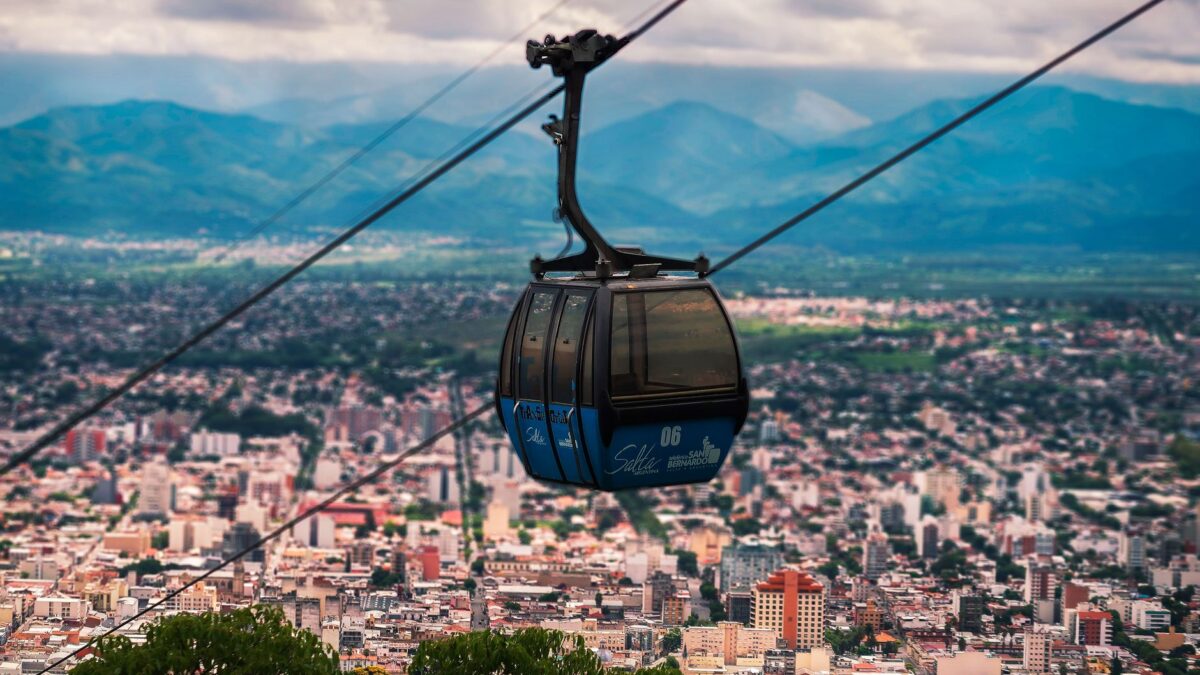
Mexico City’s Cablebús is an urban cable car system with three lines: Line 1 in Gustavo A. Madero, Line 2 in Iztapalapa and Line 3 between Chapultepec and Santa Fe. A ride costs MXN 7 regardless of distance, payable only with the Integrated Mobility Card (MI), and the system runs from 5:00 to 23:00 on weekdays, as of November 2026.
Which Cablebús lines are running?
Three lines operate, all run by the city’s Electric Transport Service (STE). The city’s official Cablebús visitor page describes the system, which opened in 2021, as the largest urban cable car network in the world.
| Line | Area | Terminals | Stations |
|---|---|---|---|
| Line 1 (north) | Gustavo A. Madero | Indios Verdes to Cuautepec | Indios Verdes, Ticomán, La Pastora, Campos Revolución, Tlalpexco, Cuautepec |
| Line 2 (east) | Iztapalapa | Constitución de 1917 to Santa Marta | Constitución de 1917, Quetzalcóatl, Las Torres, Xalpa, Lomas de la Estancia, San Miguel Teotongo, Santa Marta |
| Line 3 (west) | Miguel Hidalgo and Álvaro Obregón | Los Pinos/Constituyentes to Vasco de Quiroga | Includes Cineteca Chapultepec and PARCUR, the urban park in Chapultepec’s new section |
Line 2 holds a Guinness record as the longest urban cable car line in the world, according to the city. Lines 1 and 2 were built mainly for hillside neighborhoods with long bus commutes. Line 3 is the one most visitors and Santa Fe office workers use: the city puts the ride between the Polanco and Reforma hotel area and Santa Fe at about 25 minutes.
How much does Cablebús cost and how do you pay?
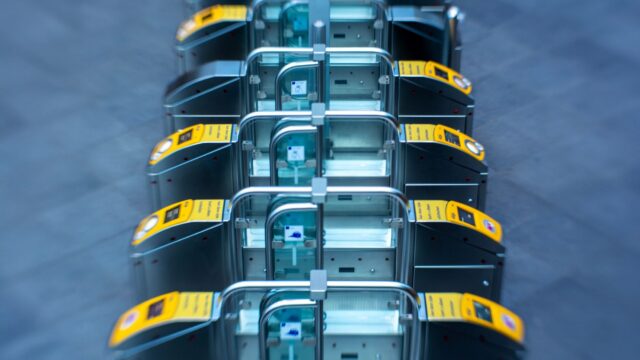
The fare is MXN 7 per trip, the same for every distance, as of November 2026. Cash and paper tickets are not accepted at the gates.
- Get an Integrated Mobility Card (Tarjeta de Movilidad Integrada). It costs MXN 15 and is sold at machines at every Cablebús station entrance.
- Top it up at the same machines, which take coins, bills and bank cards.
- Tap the card at the gate. Each tap deducts MXN 7.
The same card works on the Metro, Metrobús, Tren Ligero, trolleybuses and Ecobici, so most residents already have one. Each system charges its own fare; our guide to the Metro fare and the Integrated Mobility Card lists them side by side. The city says contactless bank cards are being added at Cablebús gates; until your station accepts them, carry the MI card.
What are the Cablebús hours?
All three lines run every day of the year, with these hours as of November 2026:
- Monday to Friday: 5:00 to 23:00.
- Saturday: 6:00 to 23:00.
- Sundays and public holidays: 7:00 to 23:00.
Each line also closes for some days during its annual technical inspection. The city announces the dates on its official transport channels, usually with alternative bus service.
How do you connect with the Metro and other transport?
Each line starts next to a larger transport hub, so most trips combine Cablebús with another system:
- Line 1: Indios Verdes connects with the Metro and Metrobús at the Indios Verdes terminal, according to the city.
- Line 2: Constitución de 1917 and Santa Marta sit next to the Metro stations of the same names.
- Line 3: Los Pinos/Constituyentes is near the Constituyentes Metro station, and the line connects with the El Insurgente train to Toluca. Our page on the Mexico City to Toluca train covers that service.
Transfers are not free between systems; you pay the Cablebús fare when you enter and the other system’s fare at its gate. For the bus rapid transit network, see our explainer on Metrobús lines.
Does it run in rain, and is it accessible?
Cablebús keeps running in heavy rain, the city says. During strong electrical storms or exceptional winds, cabins slow down or stop for a while until conditions improve, which can add time during summer afternoon storms.
The city states that all stations and cabins are fully accessible for wheelchairs, strollers and people with reduced mobility. Cabins do not stop completely at stations but slow to a minimum speed, and staff help passengers who need more time. The route has free Wi-Fi, and the city says the service is under constant surveillance.
Are more lines being built?
The city government has announced new lines, including routes in the south of the city, and work has started on at least one of them. Opening dates, stations and fares are confirmed only when the STE publishes them, so treat dates in the press as plans until then.
Bottom line
Load your Integrated Mobility Card before you go, since Cablebús gates take no cash. For Santa Fe, compare Line 3 with your usual route at rush hour, and check the city’s transport channels for maintenance closures before relying on any line for a commute.
FAQ
Does the Cablebús fare include a Metro transfer?
No. Cablebús charges MXN 7 at its own gate, and the Metro, Metrobús or train charges its own fare when you change. One Integrated Mobility Card pays for all of them.
Is Cablebús worth riding for the views?
Many riders use Line 3 for views over Chapultepec and Lines 1 and 2 for views across the hillside neighborhoods. Go in the morning, when skies are often clearer than in the afternoon rainy season.
Where do I buy the Integrated Mobility Card?
Machines at every Cablebús station entrance sell the card for MXN 15 and top it up. Metro and Metrobús stations sell it too.
Does Cablebús run at night?
Service ends at 23:00 every day. Plan a taxi, ride-hailing car or night bus for later trips.