LP Gas vs Natural Gas in Mexico City: Prices and Safety
Cylinders, rooftop tanks and piped gas compared, how the weekly price cap works, buying safely and the steps to take if you smell gas.
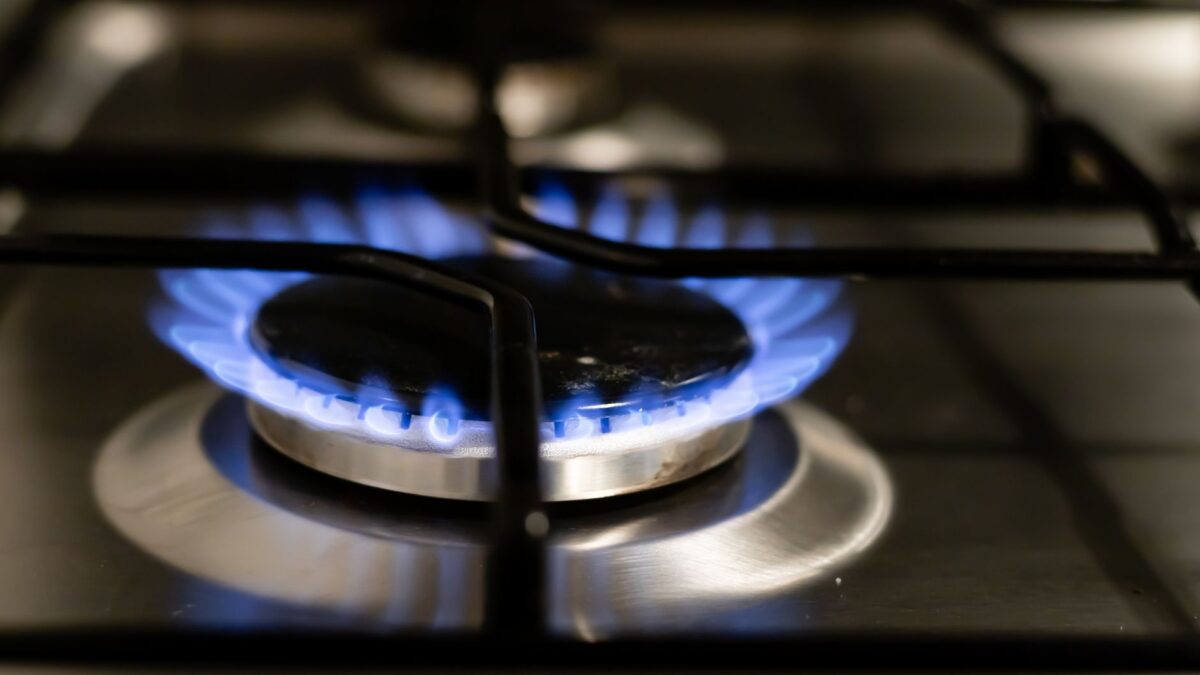
Most Mexico City homes cook and heat water with liquefied petroleum gas (LP gas), delivered in portable cylinders or pumped into a fixed rooftop tank, while some neighborhoods have piped natural gas. The National Energy Commission (CNE) caps LP gas prices every week: for November 1 to 7, 2026 the maximum in all 16 boroughs was MXN 20.80 per kilogram or MXN 11.23 per liter, VAT included.
What is the difference between LP gas and natural gas?
LP gas is a mix of propane and butane stored as a liquid under pressure in tanks at your building. Natural gas is mostly methane and arrives through underground pipes from a distribution company, like water. Both fuel the same appliances: stove, oven and water heater (calentador or boiler), but each appliance is set up for one gas or the other.
| Feature | LP gas, cylinder | LP gas, stationary tank | Natural gas |
|---|---|---|---|
| How it arrives | Truck delivers full cylinders | Truck (pipa) fills a fixed tank | Pipe network |
| How it is sold | By kilogram | By liter | By volume used, metered |
| Price rule | Weekly CNE ceiling | Weekly CNE ceiling | Distributor tariff |
| Running out | Swap the cylinder | Order a refill before empty | Continuous supply |
| Typical buildings | Older houses, small buildings | Houses and apartment blocks | Areas the network reaches |
When renting, ask which system the apartment uses and who pays for it. In buildings with one shared stationary tank, the gas can be split among units and charged with the maintenance fee, so read the lease and the condo rules. Our guide to renting an apartment in Mexico City lists other questions for the landlord.
How much does LP gas cost in Mexico City?
The CNE publishes a table of maximum LP gas prices by region every week, and sellers may charge less but not more. Mexico City is one price region. The figures below come from the CNE table for maximum LP gas prices valid November 1 to 7, 2026.
| Unit | Maximum price, VAT included | Example |
|---|---|---|
| Kilogram (cylinders) | MXN 20.80 | 20 kg cylinder: up to MXN 416 |
| Kilogram (cylinders) | MXN 20.80 | 30 kg cylinder: up to MXN 624 |
| Liter (stationary tanks) | MXN 11.23 | 300 liters: up to MXN 3,369 |
The examples are simple multiplications of the ceiling, as of November 2026. The ceiling changes each week, so check the current CNE table before a large refill.
A state-owned distributor, Gas Bienestar, sells cylinders in parts of the city at or below the ceiling. Coverage and delivery days change by neighborhood, so confirm through its official government channels before relying on it.
How do you buy LP gas safely?
Buy from a delivery truck or distributor that gives you a receipt with the quantity and price. Cylinder trucks drive through neighborhoods with a recognizable jingle or call, and most companies also take phone or app orders.
- Cylinders: check that the seal on the valve is intact and that the cylinder is not rusted, dented or leaking. The tare weight is stamped on the cylinder, so a scale shows if you received the full amount.
- Stationary tanks: watch the meter on the pipa start at zero and ask for the printed ticket. Order before the tank gauge drops near 10 percent.
- Overcharging or short weight: file a complaint with the Federal Consumer Protection Agency (Profeco), which checks LP gas sellers and their scales.
Never move a cylinder indoors to a closed space, and keep tanks and regulators where they get air. Hoses and regulators wear out; a gas technician can replace them.
What should you do if you smell gas?
Gas has an added smell so leaks can be detected. If you smell it, act right away:
- Close the valve at the cylinder or the main valve of the tank or meter.
- Do not switch lights or appliances on or off, and do not use lighters or matches.
- Open doors and windows.
- Leave the home and call 911 from outside. Firefighters and civil protection respond through the same number.
- For natural gas, also call your distributor’s emergency line, printed on the bill.
Our list of emergency numbers in Mexico City includes 911 and Locatel. Gas water heaters in closed rooms can also produce carbon monoxide, which has no smell; make sure the heater vents outside and is installed where air circulates.
Is piped natural gas worth asking for?
Piped gas removes the need to watch a tank or wait for a truck, which many residents prefer. It depends on the street network: if the pipe does not reach your building, the distributor must extend it, and your landlord or condo would decide on that.
If the apartment already has natural gas, the account is usually in the owner’s name. Ask how the bill is paid and keep receipts, because a utility bill can serve as proof of address; our explainer on the CFE electricity bill covers the other main utility.
Bottom line
Ask before signing a lease which gas system the apartment uses, where the tank sits and who pays. Compare the next refill with the CNE weekly ceiling, keep delivery tickets, and save 911 for the day you smell gas.
FAQ
How long does a 30 kg cylinder last?
It depends on how much you cook and on the water heater, which uses most of the gas in many homes. Note the date of each refill for a few months to learn your own pattern.
Can a seller charge more than the CNE price?
No. The CNE price is a maximum for the region and week. Report charges above it to Profeco with the receipt.
Who maintains the stationary tank?
The tank belongs to the building, so the owner or the condo administration handles inspections and repairs. Tenants should report leaks or damage in writing.
Are electric stoves common in Mexico City?
Gas stoves are the norm in most apartments. Electric induction cooktops exist, but they raise the CFE bill, so check your tariff before switching.