Peso Climbs to 18.5669 per Dollar as Democrats Win US Congress
The peso gained 1.44% to 18.5669 per dollar after Democrats won both chambers of the US Congress. What it means for prices, oil and Americans in CDMX.
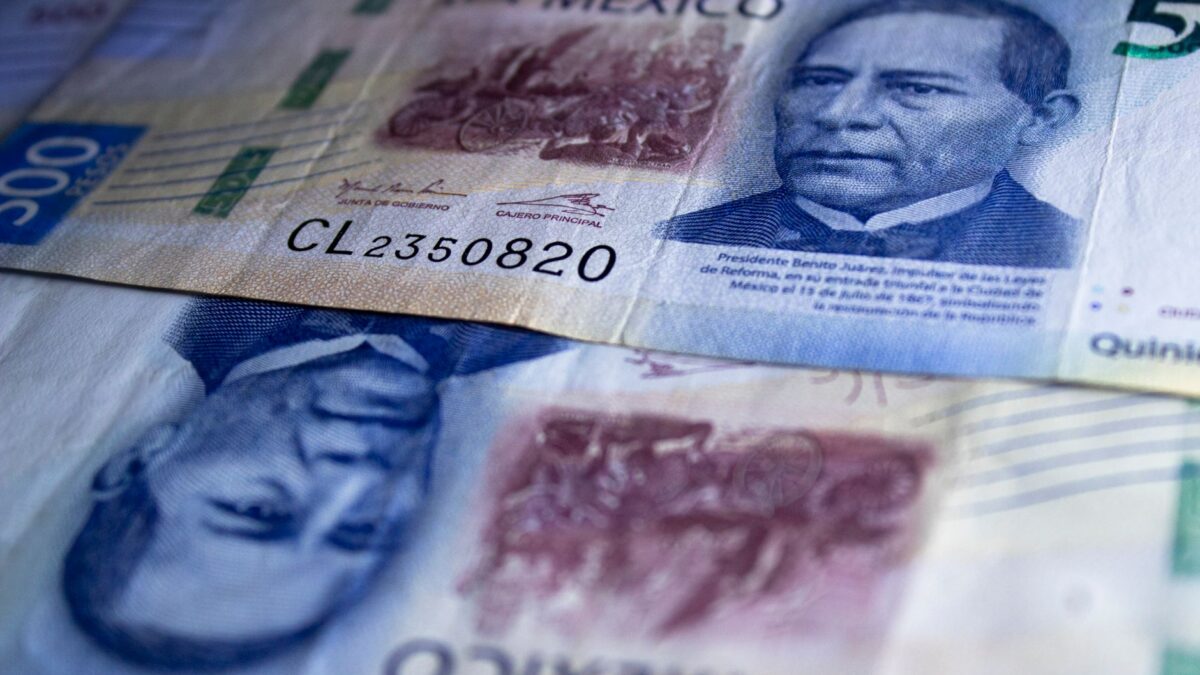
The Mexican peso strengthened to 18.5669 per US dollar after Democrats won majorities in both the House of Representatives and the Senate in the US midterm elections, according to figures from the Banco de México (Banxico, Mexico’s central bank) reported by El Financiero. The move was an appreciation of 1.44%, or 27.16 centavos.
For anyone in Mexico City who earns in dollars and spends in pesos, a stronger peso means each dollar buys less at the market, the landlord’s office or the café. People paid in pesos, or sending money north, get the opposite effect.
What it means for dollar earners and peso spenders
The peso rose as the US dollar weakened broadly. A weighted dollar index fell 0.35%, its lowest level since late September, El Financiero reported, and most emerging-market currencies gained alongside the peso.
Laura Torres, investment director at IMB Capital Quants, told the paper the rally came from the prospect of a divided US government. In her reading, that limits the administration’s room for aggressive fiscal cuts or sudden turns in trade policy. For Mexico, trade policy decisions in Washington, including tariffs, feed directly into the exchange rate.
Remote workers, retirees on US pensions and students funded from home will notice the change at the ATM. The rate moves every day, and one session’s gain says nothing about where it will sit next week.
Mexican oil falls below $100
Crude prices dropped sharply on expectations that a stronger check from Congress would limit US attacks on Iran. The Mexican export blend, known as the Mezcla Mexicana, fell 9.52% to $81.69 a barrel. Brent lost 8.55% to $94.74, and West Texas Intermediate fell 8.23% to $88.18, putting the main benchmarks back under $100.
Claudio Galimberti, chief economist at Rystad Energy, told Bloomberg that with both chambers able to pass resolutions, hold back war funding and delay confirmations, the administration has less political room and more pressure to reach a deal on Hormuz.
Wall Street rallies on the result
US stocks rose on the outcome. The Dow Jones Industrial Average gained 3.03%, the S&P 500 rose 1.58% and the Nasdaq added 1.44%, El Financiero said.
Luis Gonzali, vice president and co-director of investments at Franklin Templeton, said markets had first feared that the party’s socialist wing would win enough seats to push its agenda. Instead, more traditional Democrats took most of the seats. He added that a balance of power does not guarantee fiscal discipline, though Congress will likely be able to cap President Donald Trump’s appetite for stimulus.
Jack Janasiewicz of Natixis Investment Managers Solutions warned of bumps ahead: government funding, the debt ceiling, spending talks, tariffs and Iran. He said such fights may hit investor sentiment without necessarily changing the underlying economic cycle. Eduardo Caballero of Signum Research said US market fundamentals had not changed much and that chip company results, interest rates and energy prices will matter more.
Americans gather in Cuauhtémoc
In Mexico City, dozens of US citizens met in the alcaldía Cuauhtémoc (the central borough that includes Roma and Condesa) to celebrate the Democratic gains while results were still preliminary, Once Noticias reported. Several voiced opposition to Trump’s policies.
“People are very angry in the United States,” one attendee, Dahl-Bredine, told the broadcaster. Professor Marc Benjamin Sable said the result could give Americans the institutional capacity to resist what he called Trump’s outrages. The group said it would keep waiting for final results.
What to watch next
The analysts quoted by El Financiero pointed to upcoming fights in Washington over government funding, the debt ceiling and tariffs as the next sources of market swings. Any of them can move the peso, and with it the cost of living in Mexico City for people paid in dollars.
Sources: El Financiero, Once Noticias