What to Buy in Mexico City: Crafts, Markets and Customs Limits
La Ciudadela, Bazar Sábado and the San Juan markets cover most of what visitors and residents want to take home. How to tell certified goods from copies, and what not to buy at all.
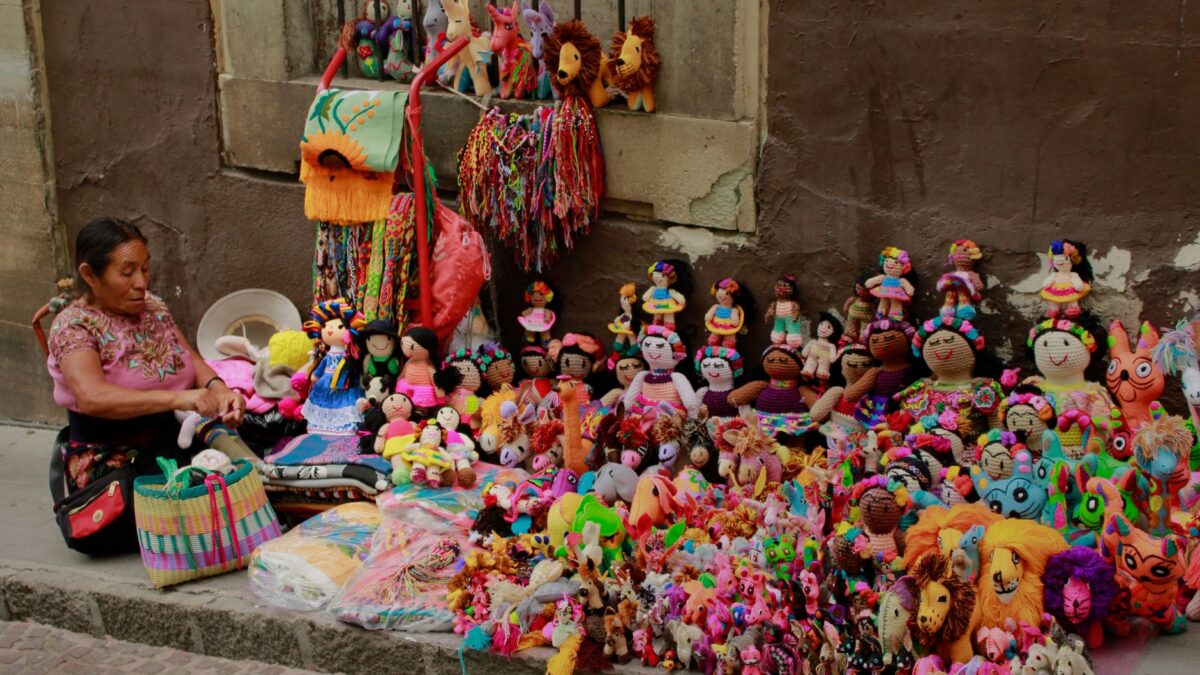
The main places to buy crafts in Mexico City are the Mercado de Artesanías La Ciudadela near Metro Balderas, with about 350 vendors, the Saturday-only Bazar Sábado in San Ángel and the San Juan markets in the Centro. Look for Talavera with its denomination-of-origin mark, silver stamped 925 and tequila or mezcal labeled with a NOM number. Never buy archaeological pieces: taking them out of Mexico without permission carries five to twelve years in prison.
Where are the main craft markets?
Three markets cover most needs, and each has a different feel. Details below come from the city’s official tourism site as of November 2026.
| Market | Where | When | Best for |
|---|---|---|---|
| Mercado de Artesanías La Ciudadela | Balderas at Emilio Dondé, Centro | Daily, until about 6 p.m. | Crafts from across Mexico: textiles, ceramics, lacquerware, tin mirrors, alebrijes |
| Bazar Sábado | Plaza San Jacinto 11, San Ángel | Saturdays, 10:00 to 19:00 | Silverwork, fine textiles, designer ceramics; higher prices, higher-end pieces |
| Mercado de San Juan (Pugibet and Arcos de Belén) | Centro | Daily, daytime | Specialty food: cheeses, cured meats, spices, exotic produce |
| Mercado de Artesanías y Curiosidades San Juan | Centro | Daily, 9:30 to 18:30 | Gifts and craft souvenirs |
The city’s page on La Ciudadela describes textiles, sculpture and votive pieces, glassware, punched-tin mirrors and lacquerware from Guerrero and Oaxaca. On Saturdays, the Jardín del Arte painters’ market fills the plaza next to Bazar Sábado. Museum shops are another good source of well-made reproductions; our page on free museum days lists when entry costs nothing.
How do you spot real Talavera?
Talavera is a tin-glazed earthenware with a denomination of origin (DO) limited to certain areas of Puebla and Tlaxcala. Its standard, NOM-132-SCFI-1998, was published in the Official Gazette in 1998, and a regulatory council (Consejo Regulador de la Talavera) certifies workshops that comply.
- Certified pieces carry the DO marks, including the workshop’s identification, usually on the base.
- Ask the seller for the workshop’s current certificate if you are paying Talavera prices.
- Much of the blue-and-white or colorful pottery sold in markets is cheaper “Talavera-style” ware. It can be lovely, but it is not certified Talavera, and the price should reflect that.
If you plan to visit Puebla, buying directly from a certified workshop removes the guesswork; see our guide to day trips from Mexico City.
What should you know about silver from Taxco?
Sterling silver contains 92.5% silver, which is why it is stamped 925. Mexican sterling usually carries the 925 mark and often a maker’s mark; pieces from Taxco may add the town’s name. A stamp is easy to fake, so buy from established shops, compare the weight with similar pieces and ask for a receipt that describes the item as sterling (plata .925). Silver-plated pieces are sometimes sold as alpaca or “plata alemana”, which contain no silver at all.
How do you choose tequila and mezcal, and how much can you bring home?
Both are protected by denominations of origin. Tequila can only be made in Jalisco and certain municipalities of Guanajuato, Michoacán, Nayarit and Tamaulipas; mezcal comes from a list of states led by Oaxaca. Genuine bottles show the word NOM followed by the producer’s number, plus the category, for example “100% de agave”. A bottle without a NOM number is not certified.
For travelers returning to the United States, US Customs and Border Protection allows one liter of alcohol duty-free within the personal exemption for each adult aged 21 or over, as long as it is for personal use and does not break the law of the state where you arrive. More is allowed, but you pay duty and tax on the extra liters. Texas charges state tax on all alcohol brought in. Pack bottles in checked luggage, since carry-on liquid limits apply. Travelers to other countries should check their own customs rules.
What other crafts are worth buying?
- Alebrijes: fantastical creatures. Papier-mâché alebrijes began in Mexico City’s cartonería workshops; carved and painted wooden ones come from Oaxaca villages.
- Textiles: rebozos (shawls), embroidered blouses and woven rugs. Ask where a piece was made and by whom; prices for hand-woven work reflect weeks of labor.
- Food: coffee, chocolate, vanilla, chiles and candy travel well. US Customs requires you to declare all food, and some items, such as fresh fruit and most meats, are not allowed in.
- Kitchen goods: molcajetes (volcanic-stone mortars), clay pots and wooden utensils, sold in markets across the city.
Why should you never buy archaeological pieces?
Pre-Hispanic objects are the property of the nation under Mexico’s federal law on archaeological, artistic and historic monuments, and private sale of genuine pieces is not allowed. Under Article 53 of that law, anyone who takes or tries to take an archaeological, artistic or historic monument out of the country without permission from the relevant institute faces five to twelve years in prison and a fine. For archaeological pieces, that institute is INAH, the National Institute of Anthropology and History.
Almost every “ancient” figure offered in a market is a modern copy. Copies sold as replicas are legal souvenirs, but a seller who claims a piece is genuine is either lying or offering something you cannot legally buy or export. Our guide to visiting Teotihuacan explains INAH’s rules at the site itself. This article is general information, not legal advice; customs agencies and INAH decide individual cases.
Bottom line
Start at La Ciudadela for range and prices, go to Bazar Sábado for higher-end pieces, and check marks before paying for Talavera, silver or spirits. Keep receipts in case customs at home asks about value.
FAQ
Can I bargain at La Ciudadela?
Polite bargaining is common for larger or multiple purchases, less so for small items. Prices at Bazar Sábado are usually fixed.
Can I take a bottle of mezcal on the plane?
Only in checked luggage if it exceeds the carry-on liquid limit, unless you buy it in the airport’s duty-free area after security. Wrap it well.
Is it legal to buy a replica of a pre-Hispanic figure?
Yes, if it is a replica. Keep the receipt or label stating it is a reproduction to avoid problems leaving the country.