Mexican Citizenship by Naturalization: Residence, Exam and Fee
Who can apply for a carta de naturalización, how long you must have lived in Mexico, what the SRE exam covers, what it costs in 2026 and what happens to your other passport.
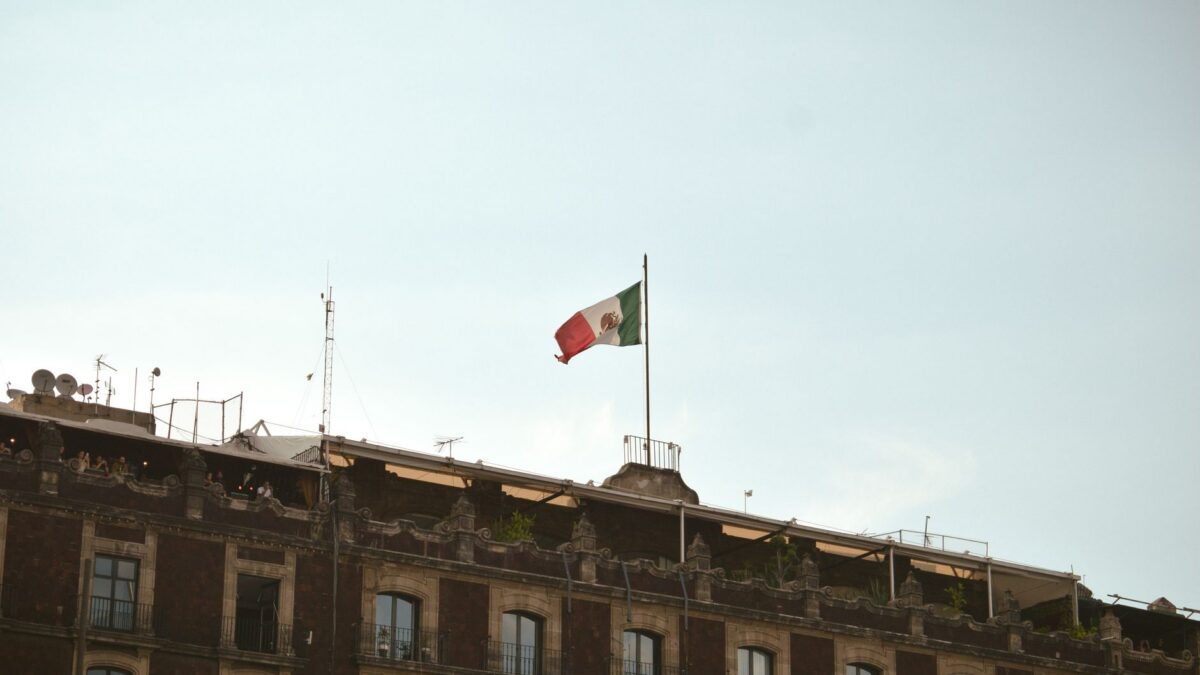
Foreigners become Mexican citizens through a naturalization certificate (carta de naturalización) issued by the Ministry of Foreign Affairs (Secretaría de Relaciones Exteriores, SRE). The standard route requires five years of legal residence in Mexico; spouses of Mexicans, parents of Mexican children and Latin American or Iberian nationals need two. As of November 2026 the SRE fee is MXN 9,500.
Who can apply for Mexican naturalization?
Any adult foreigner who has lived in Mexico legally for the required time can apply, under Article 20 of the Nationality Law (Ley de Nacionalidad). Residence is proved with a temporary or permanent resident card issued by the National Migration Institute (INM); time spent as a tourist does not count. The card must still be valid for at least six months after you file, and it must show your CURP, the population registry code that comes with residency.
| Route | Residence required before applying |
|---|---|
| General rule | 5 years |
| Married to a Mexican citizen, living together in Mexico | 2 years of marriage and shared home in Mexico |
| Parent of a child who is Mexican by birth | 2 years |
| Native of a Latin American country or of Spain or Portugal | 2 years |
| Direct descendant of a Mexican by birth | 2 years |
| Outstanding cultural, scientific, sporting or business contribution, as judged by the SRE | 2 years (the President can waive it) |
| Minors adopted by, or descended from, Mexicans and under their custody | 1 year, uninterrupted |
For the marriage route, the regulations add two conditions. The marriage must be at least two years old when you apply, and the Mexican spouse must appear in person at the SRE to declare that you live together in Mexico.
How many days can you spend outside Mexico?
Trips abroad do not break your residence unless they add up to more than six months within the two years before you apply, according to Article 21 of the Nationality Law. Absences earlier in the five-year period are not counted against you by that rule. The one-year route for minors is stricter: it must be uninterrupted.
The application includes a signed statement listing every exit and entry during the relevant period, and the SRE can compare it with migration records. Keep your own log of travel dates from the day you get residency, since airline records and passport stamps are hard to rebuild years later.
What is on the naturalization exam?
Applicants must prove that they speak Spanish, know Mexican history and are integrated into the national culture. The Nationality Law regulations (Reglamento de la Ley de Nacionalidad) say this is done through exams whose content is approved by the SRE’s diplomatic academy, the Instituto Matías Romero. People over 60, minors and recognized refugees only have to show they speak Spanish.
The regulations do not publish a question bank or a pass mark. Ask the SRE for the current study guide when you book, and prepare for questions on history, geography, national symbols and civic institutions in Spanish.
What documents does the SRE ask for?
Article 16 of the regulations lists the basic file for the five-year route. The reduced routes add proof of the family link or of origin.
- The application form, completed and signed.
- Your valid resident card, original, covering the required residence period and showing your CURP.
- A certified copy of your foreign birth certificate, apostilled or legalized and translated into Spanish.
- Your valid passport, original.
- A signed statement of the number of exits from and entries to Mexico during the relevant period.
- A criminal record certificate (constancia de no antecedentes penales), federal and local depending on where you live.
- Two recent color passport photos, 4.5 x 3.5 cm, white background, no glasses.
- Proof of payment of the fee, original.
Marriage applicants add the Mexican marriage certificate (or the Mexican registration of a foreign marriage) and proof of the spouse’s nationality. Parents add the child’s Mexican birth certificate. If your documents need apostilles or translations, start early; our guide to the CURP for foreign residents explains where to find the code on your card.
How much does naturalization cost and how long does it take?
The fee for a naturalization certificate is MXN 9,500 for every route, according to the SRE fee table for 2026, which is valid until December 31, 2026. The fee must be paid before you file, and anyone who paid in an earlier year but did not start the procedure must pay the difference. A certified copy of a naturalization certificate costs MXN 700.
The timeline is set by the regulations. The SRE sends the file to the Interior Ministry for an opinion within 15 business days, the Interior Ministry has up to 45 business days to answer, and the SRE then has 90 calendar days to decide. The SRE’s own table puts the maximum at three months after the INM opinion arrives. Missing documents or an exam retake add time.
Can you keep your other citizenship?
Mexico asks naturalized citizens to formally renounce their previous nationality and any allegiance to a foreign state. Under Article 19 of the Nationality Law, the renunciation is signed only after the SRE decides to grant naturalization, and the certificate is issued once it is done.
Whether that statement ends your original citizenship is a question for your home country’s law, not Mexico’s. Mexico’s Constitution adds rules that apply only to naturalized citizens: Article 37 says they lose Mexican nationality if they use a foreign passport, present themselves as foreigners in a public document, voluntarily acquire another nationality or live abroad for five continuous years. Check with your own government before you file.
Naturalized Mexicans also face some limits that Mexicans by birth do not, including certain public offices; see our guide to what foreigners cannot do in Mexico for the constitutional background. This article explains the published rules and is not legal advice; the SRE decides each case, and an immigration lawyer can review complex histories.
Bottom line
Count your years from the resident card dates, add up your days abroad in the last two years, and order your apostilled birth certificate and criminal record certificate before booking. Four years as a temporary resident already qualify you for permanent residency, a card that does not need yearly renewals while you wait out the fifth year.
FAQ
Do years as a temporary resident count toward naturalization?
Yes. The regulations accept either a temporary or a permanent resident card as proof of residence. What matters is that your legal stay covers the full period immediately before the application.
Is there an age limit for the exam?
People over 60 do not take the history and culture exam; they only need to show they speak Spanish. The same applies to minors and to refugees recognized by the Interior Ministry.
Can I apply while living outside Mexico?
No, except in narrow cases. The law requires residence in Mexico immediately before the application, and the marriage route requires a shared home in Mexico unless the Mexican spouse is posted abroad by the Mexican government.
Does the fee change every year?
Yes. Federal fees are updated each year through the tax rules published in the official gazette. Check the SRE table for the year in which you will pay.