Small Quake Felt in Mexico City on Nov. 15 Did Not Trigger Seismic Alert
A weak quake on Nov. 15 was felt by few people in Mexico City and the seismic alert stayed silent. SASMEX explained why and how the alert works.
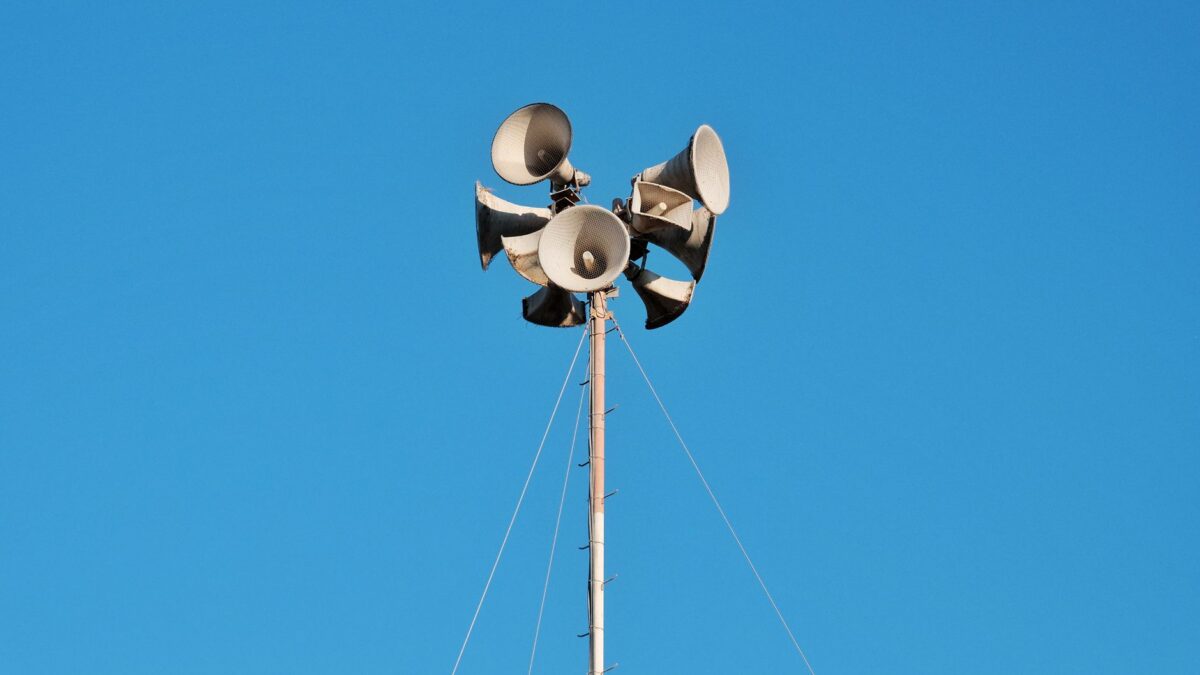
A low-intensity earthquake on Sunday, Nov. 15, was felt by very few people in Mexico City, and the seismic alert did not sound. The Sistema de Alerta Sísmica Mexicano (SASMEX, Mexico’s earthquake early warning system) said the quake was too weak in its first seconds to justify an alert, the sports and news outlet Marca reported.
No buildings or homes were evacuated and civil protection protocols were not activated, according to Marca.
Why did the seismic alert stay silent?
SASMEX said in a post on X that the quake was detected at 19:09:09. The alert was not warranted, it wrote, because the energy estimated in the first seconds “did not exceed the preset levels.”
The alert in the capital sounds only when the system’s early estimate of a quake’s energy passes thresholds set in advance. Sunday’s movement stayed below them, so the loudspeakers and phone alerts that residents know from stronger quakes were not triggered.
Where was the quake?
The closest SASMEX sensor to register it was on the coast of Oaxaca, 15 km southeast of Pinotepa Nacional. Marca reported that the epicenter had not been identified at the time of publication and that the magnitude had not been released.
How does SASMEX detect an earthquake?
The system has 96 sensors called accelerometers, Marca reported. They are installed mainly along the Pacific coast and in areas with frequent seismic activity: Jalisco, Colima, Michoacán, Guerrero, Puebla and Oaxaca.
When the ground starts to move, the sensors pick up the primary waves, which travel fastest and usually cannot be felt. Algorithms estimate the likely size of the quake within seconds, before the slower secondary waves arrive. Those secondary waves cause most of the damage.
SASMEX cannot predict an earthquake. It starts working only after a quake has begun and a sensor has recorded it.
How much warning does Mexico City get?
The warning window ranges from 20 to 120 seconds, according to Marca’s description of the system. The length depends on the distance between the epicenter and the city being alerted. A quake that starts far away, for example on the Pacific coast, leaves more time than one that starts close to the capital.
What does this mean for residents?
People who felt shaking on Sunday without hearing the alert did not witness a failure of the system, by SASMEX’s account. The alert is designed to stay quiet for quakes whose early energy reading is low, and Sunday’s quake fell into that group.
For newcomers, the practical point is that feeling a tremor and hearing the alert are separate things in Mexico City. A weak quake can be felt in some buildings with no alert at all, as happened on Nov. 15.
The city practices its response every year on Sept. 19, the anniversary of the 2017 earthquake, when large-scale drills are held in Mexico City and in many other parts of the country. This year was nine years since that quake.
Source: MARCA