Parking in Mexico City: Parquímetros, Rates, Fines and Tow Yards
Metered street parking covers Polanco, Roma, Condesa, Juárez and parts of Benito Juárez. What it costs, when it is free, how to pay by phone and what happens when you forget.
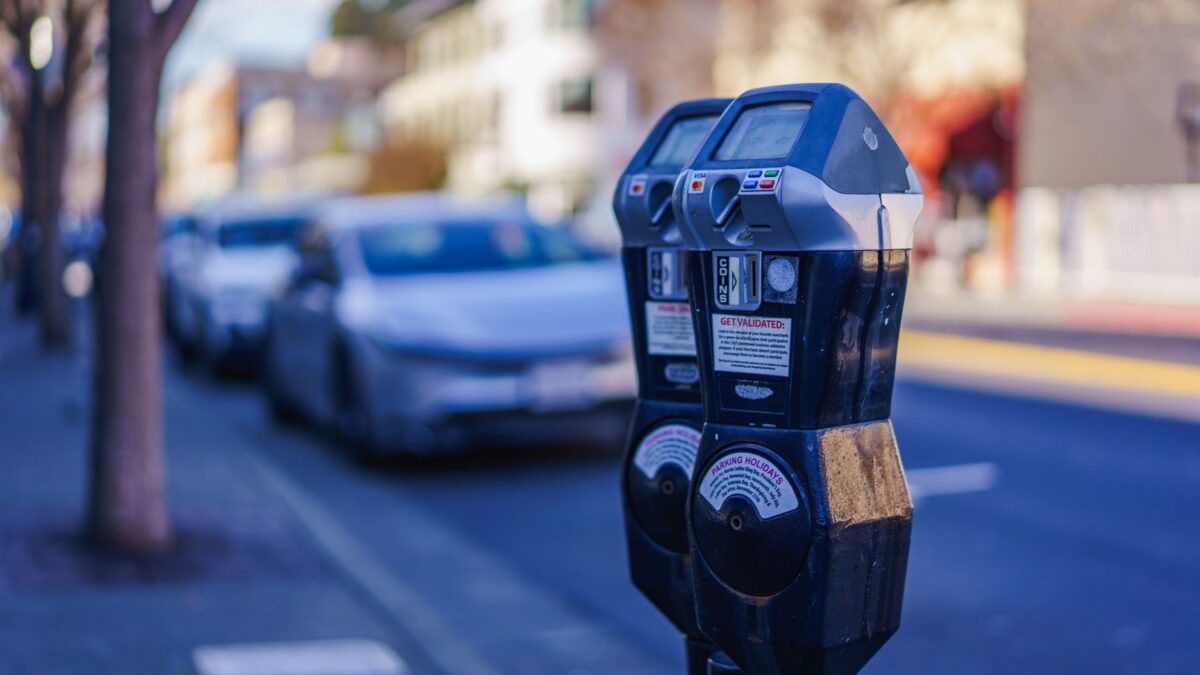
Metered street parking in Mexico City costs MXN 3.40 per 15 minutes, or MXN 13.60 an hour, as of November 2026, under Article 259 of the city’s Fiscal Code. Most meters belong to ecoParq, a program of the Mobility Ministry (SEMOVI); you pay at the meter or with an app, and parking is free on Sundays and official holidays. Removing a wheel clamp costs MXN 340.
Where are the parking meters?
The ecoParq program covers several zones in central and western Mexico City: Polanco, Anzures, Lomas de Chapultepec, Roma, Hipódromo (Condesa), Benito Juárez Norte and Sur, and Florida. Meters are on the sidewalk every few spaces, and street signs mark the regulated area.
The colonias Juárez and Cuauhtémoc are separate. Their street parking is run by SERVIMET, a city company, through an operator called OPEVSA, with its own equipment and app, so the ecoParq rules described below may not apply there; check the sign on the meter.
What are the hours and rates?
The rate is the same in every ecoParq zone, but the charging hours differ. The schedule below is how ecoParq reported it in September 2026; the sign on each meter is the final word.
| Zone | Charging hours |
|---|---|
| Benito Juárez Norte and Sur, Anzures, Lomas de Chapultepec, Florida | Monday to Friday, 8:00 to 20:00 |
| Roma and Hipódromo | Monday to Wednesday 8:00 to 20:00; Thursday to Saturday 8:00 to 1:00 the next day |
| Polanco (core area around Arquímedes, Horacio, Molière and Reforma) | Extended to 1:00 the next day from Wednesday to Saturday |
| All zones | Free on Sundays and on the official rest days in the Federal Labor Law |
The rest days that switch the meters off are January 1, the first Monday of February, the third Monday of March, May 1, September 16, the third Monday of November and December 25. Days such as December 12 or December 24 are normal charging days.
The fee is MXN 3.40 per 15-minute block, up from MXN 3.25 in 2025. The ecoParq site lists zone maps and quarterly reports for each area.
How do you pay with an app?
You can pay with coins at the meter or with an app linked to a bank card. Apps accepted in ecoParq zones in 2026 include Parkum, Mueve Ciudad and Blinkay; each works in a similar way:
- Register an account and add your license plate.
- Add a debit or credit card, or load a balance.
- Choose the zone or meter number and the time you want; the app charges you for that time.
- Extend from your phone before the time runs out, or end the session early where the app allows it.
The plate number is what enforcement officers check, so enter it carefully. A foreign plate can usually be typed in the same way, but check the app accepts its format before you leave the car.
What happens if you do not pay?
An unpaid or expired car can be fined and clamped with a wheel lock, known as an inmovilizador or “araña”. Under the 2026 Fiscal Code, removing it costs MXN 340, on top of the fine set in the Traffic Regulations (Reglamento de Tránsito) in UMA, the official reference unit. You pay, then call the number on the notice to have the clamp removed.
Cars parked where parking is banned, such as in front of a garage, on a corner, in a bike lane or a bus lane, can be towed to a vehicle pound, known as the corralón or depósito vehicular. Getting the car back means paying the fine, the tow and a daily storage charge, all set in the Fiscal Code, and showing the vehicle’s papers and your ID. Costs grow every day, so act quickly.
- To find a towed car, call Locatel at 55 5658 1111.
- To check fines on a Mexico City plate, use the city Finance Ministry’s debt lookup.
- Camera fines and points work differently; see our guide to fotocívicas and traffic tickets.
Can residents get a parking permit?
Yes, in ecoParq zones. Residents whose home has no garage, or whose building’s parking is not assigned to their unit, can apply for a free resident permit that lets them park on their street without paying the meter. Press reports of the program describe one permit per resident, for a car with Mexico City plates, requested online through the city’s parking permit portal, with proof of address and an ID; a visit to confirm the address may follow.
Cars with foreign or other states’ plates generally do not qualify. If you plan to keep a foreign car here, our guide to bringing a foreign-plated car to Mexico City covers the import permits, and our page on driving with a foreign license covers the license rules.
What about franeleros and reserved spaces?
Outside metered zones, and sometimes inside them, informal attendants called franeleros or viene viene wave drivers into spaces and expect a tip, and some block spaces with buckets, cones or crates. Reserving public street space this way is not allowed. In August 2025 the Mexico City Congress approved a reform of the Civic Culture Law that sets 24 to 36 hours of arrest for people who reserve spaces or charge to “watch” cars, according to press coverage of the vote, and police can remove the objects.
In a metered zone, pay the meter and nothing else. If someone threatens you or damages your car, call 911 and note the location.
Bottom line
Install one of the parking apps before your first trip into Polanco, Roma or Condesa, check the meter sign for the zone’s hours, and never park where there is a yellow curb or a no-parking sign. If you live in a metered zone without a garage, ask about the resident permit.
FAQ
Is parking free on Sundays in Mexico City?
Yes, in ecoParq zones meters do not charge on Sundays or on the seven official rest days. Parking bans, such as no-parking signs and bus lanes, still apply.
Can I pay the meter with a card?
Through the apps, yes: they charge a linked debit or credit card. At the meter itself, coins are the standard method.
How much does it cost to park for two hours?
Two hours is eight 15-minute blocks, so MXN 27.20 at the 2026 rate of MXN 3.40 per block (our calculation).
What is the yellow curb?
A yellow-painted curb marks a place where parking is banned. Cars left there can be fined and towed.