CDMX Plans Smart Water Networks by 2047 as Leaks Top 40% of Flow
Mexico City's 2027-2047 plan targets leaks, sinking ground and aquifer overuse. See the three-stage timeline, the goals for home water access and the cost gap.
Mexico City’s government wants to move the capital away from heavy groundwater pumping and from dependence on outside water sources over the next 20 years. Its draft Plan General de Desarrollo 2027-2047 (General Development Plan), presented on Nov. 11, sets out three stages of work, according to Expansión Política.
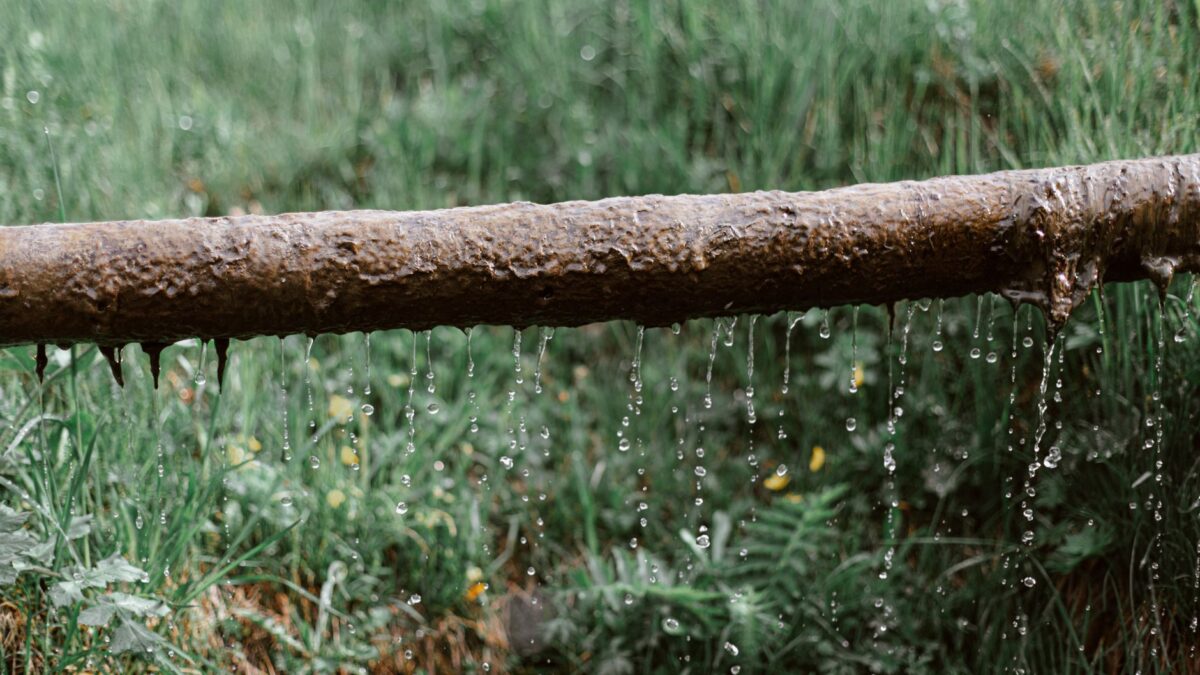
The plan starts from a gap between connection and supply. More than 99% of homes in the city are linked to the public network, but only 76% have water available every day. More than 40% of the flow is lost to leaks in old, damaged pipes, and the ground is sinking an estimated 10 to 30 centimeters a year.
Three tracks, three stages
The plan has three main tracks: universal access to water, a watershed view of management, and sustainable use of the resource. By 2047 the city is meant to move toward a “Ciudad Esponja” (Sponge City) model that captures, holds and soaks up more rain, reuses treated water and protects the ecosystems that feed its supply.
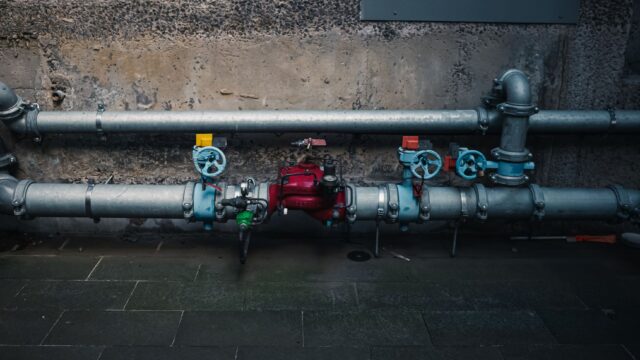
The first track covers pipes and networks. From 2027 to 2033, the priority is to divide the network into sectors to control pressure, replace obsolete lines in critical areas and install real-time monitoring. Rainwater collection would expand in schools and vulnerable homes. From 2034 to 2040, the plan calls for smart networks using telemetry and metering for mid-level users. From 2041 to 2047, it envisions automated infrastructure, constant pressure and the end of territorial gaps in access.
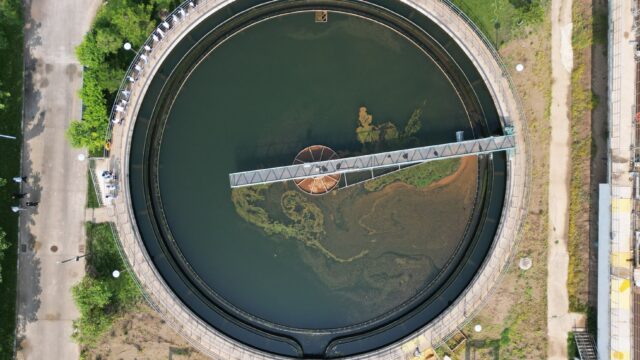
The second track is about recharge zones. Short-term actions include restoring protected natural areas, among them the Bosque de Agua (Water Forest), which the document identifies as the source of between 70% and 73% of the drinking water the city consumes. For 2034 to 2040, the plan proposes metropolitan governance agreements for shared watersheds.
The third track targets reuse. From 2027 to 2033, the plan would expand the use of treated water in industry and city services. From 2034 to 2040, it would gradually replace outside sources with treated and regenerated water, and developers’ water feasibility studies for large projects would be made public.
The numbers behind the plan
- Aquifer use stands at 193% of recharge, a deficit of 480.42 hm³ a year, with 10 to 30 centimeters of sinking annually.
- Daily water availability reached 76.9% of homes in 2024. The targets for 2047 are 89.1% in a desirable scenario or 94.2% in a transformative one.
- Piped water inside the home reached 90.9% of homes in 2024. The targets are 96.7% and 99.8%.
- The table in the report puts the remaining 23.1% of homes on scheduled rationing (tandeo) or water trucks.
Why it matters: money and coordination
The plan says the water system must be financially sustainable and that rules should be enforced through monitoring and penalties. It does not say what the actions will cost or how they will be paid for.
Eduardo Vázquez Herrera, executive director of Agua Capital, cited an analysis with UNAM and the UNESCO Water Security Center that found 14 lines of action and an investment range of 59,000 million pesos through 2040. He said about 60% of the city’s water comes from overexploited aquifers.
Ana Cecilia Espinosa García of UNAM said connection to the network does not guarantee continuous supply, so goals need to account for differences between neighborhoods and boroughs (alcaldías). She added that any change in water rates should come with visible service improvements.
Supply also crosses city limits. Sources such as the Lerma-Cutzamala system sit outside the capital, so decisions on extraction and distribution need agreements with other states and municipalities.
What happens next
The draft went to the Congress of Mexico City on Nov. 11 and was sent to committees. Earlier this week, the Junta de Coordinación Política (the Congress’s coordinating board) approved forums and working tables under an Open Parliament format to collect proposals from residents, specialists and organizations.
Source: Expansión Política