Metro CDMX Line 2 Has the Most Stations, but Line 12 Is Longer
Metro CDMX Line 2 has 24 stations, more than any other line, yet Line 12 is longer. See the route, transfers, opening dates and sights.
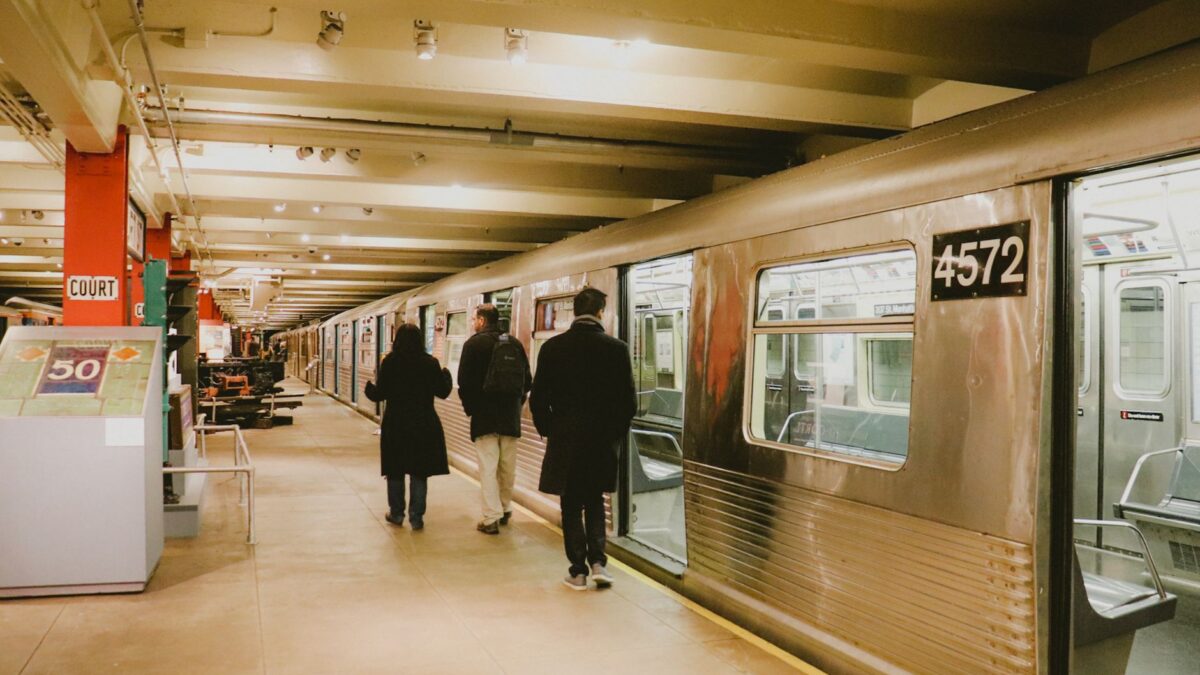
Line 2 of the Metro CDMX, the blue line, has 24 stations, the most of any of the system’s 12 lines, according to El Gráfico, which cites the Sistema de Transporte Colectivo (STC, the Metro’s operator). It is not the longest line, though. That title goes to Line 12.
The line runs 23.431 kilometers from Cuatro Caminos in Naucalpan, State of Mexico, to Tasqueña in the Coyoacán borough.
Is Line 2 the longest line on the Metro?
No. Line 12, the gold line, is longer, at about 25.1 kilometers. Line 2 still ranks among the long routes in the network, and its distinction is the station count.
Which stations are on Line 2?
From north to south the stops are Cuatro Caminos, Panteones, Tacuba, Cuitláhuac, Popotla, Colegio Militar, Normal, San Cosme, Revolución, Hidalgo, Bellas Artes, Allende, Zócalo/Tenochtitlan, Pino Suárez, San Antonio Abad, Chabacano, Viaducto, Xola, Villa de Cortés, Nativitas, Portales, Ermita, General Anaya and Tasqueña.
Where can you change to other lines?
Line 2 connects with six other Metro lines:
- Tacuba: Line 7 (orange)
- Hidalgo: Line 3 (olive green)
- Bellas Artes: Line 8 (green)
- Pino Suárez: Line 1 (pink)
- Chabacano: Lines 8 (green) and 9 (brown)
- Ermita: Line 12 (gold)
At Tasqueña, riders can also board the Tren Ligero (light rail), a separate service that goes to Xochimilco.
When did Line 2 open?
The first section, from Pino Suárez to Tasqueña, opened on Aug. 1, 1970. An extension from Pino Suárez to Tacuba followed on Sept. 14 of that year and brought the line to 22 stations. On Aug. 22, 1984, Panteones and Cuatro Caminos were added, which gave the line its present 24 stations.
What does it mean for getting around the city center?
Several stops sit close to well-known places. Bellas Artes is the stop for the Palacio de Bellas Artes and the Alameda Central. Zócalo/Tenochtitlan serves the Plaza de la Constitución and the Catedral Metropolitana. Revolución is near the Monumento a la Revolución, and Hidalgo is the stop for the Alameda Central and the Museo Mural Diego Rivera. Pino Suárez has an old shrine to Ehécatl, the god of wind.
The line also links the State of Mexico with the south of the capital, and it passes through the Centro Histórico.
Source: El Gráfico