Mexico City Congress Presses Police to Crack Down on Hidden Plates
Mexico City's Congress asked Semovi and the SSC to step up checks on taxis and cars with covered plates. See the fines and the rules cited.
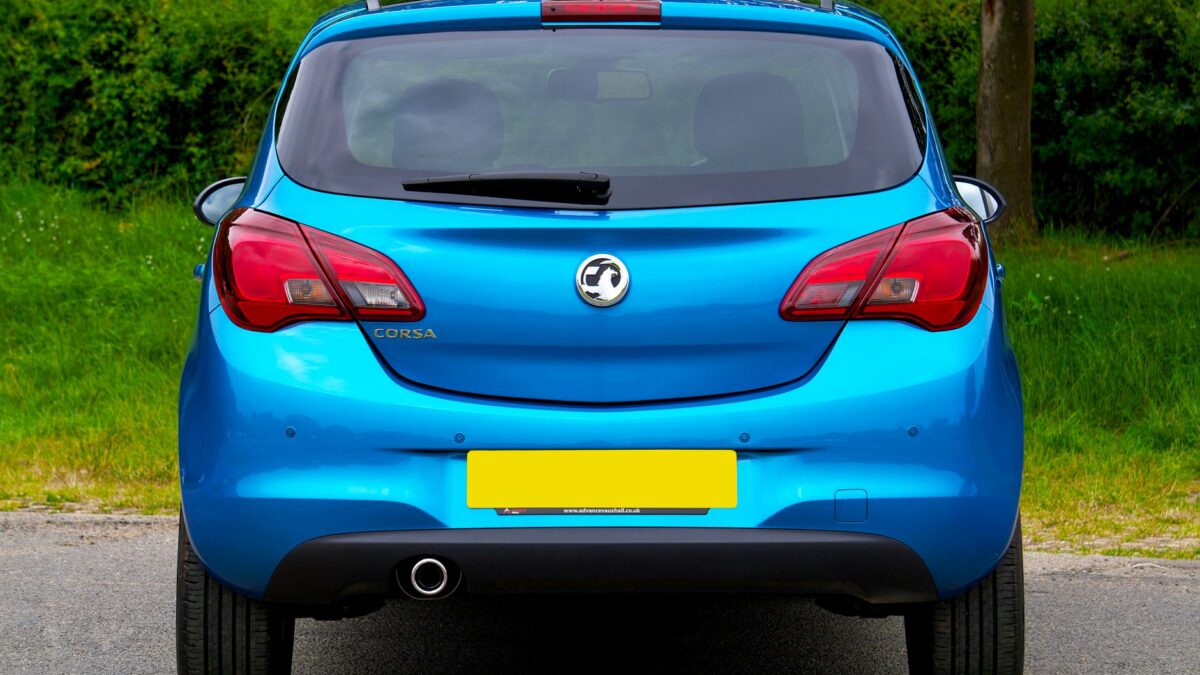
Mexico City’s Congress has asked the city’s mobility and police authorities to step up operations against private cars and taxis that drive with covered, altered or blocked license plates. The full chamber issued the call to the Mobility Secretariat (Semovi) and the Citizen Security Secretariat (SSC, the city’s public security ministry), according to El Universal.
The measure is an exhorto, a formal request. Lawmakers cannot order the agencies to act, and the report does not say how or when they would respond.
What the traffic rules say
Morena deputy Ana Buendía presented the proposal from the podium. She cited articles 43 and 45 of the city’s Traffic Regulation (Reglamento de Tránsito), which bar drivers from using plastic covers, folds, objects, papers or any other attachment that blocks, hides or prevents a clean reading of a plate. The regulation also requires every motor vehicle, private or public transport, to carry fully visible plates.
Buendía said these rules are broken every day on the capital’s streets and avenues. She described a plate as a vehicle’s identity card in public space and argued that without clear identification, the authority of traffic enforcement weakens.
How the plates get hidden
The deputy listed the methods she says are now common in Mexico City: tinted plastic covers, thick plate holders that hide the letters, reflective laminates that dazzle cameras, and plates that were bent or deliberately scratched out. She said the accessories are sold openly on social media and in informal commerce, and that she sees the purpose as defying the authorities. In her words, these are deliberate acts, not oversights from dirt or forgetfulness.
Fines and the camera problem
Buendía recalled that the regulation sets fines of 20 to 30 Units of Measurement and Update (UMA), the reference unit Mexico uses to calculate penalties. On top of the fine, the vehicle must be sent to an impound lot.
For many offenders, she said, that cost is small next to what they gain: avoiding photo-enforcement points and speeding tickets. A driver who hides a plate disables the cameras of the C5 (the city’s command and monitoring center) and the Semovi radars, she argued. The result, in her description, is zones of impunity where serious violations are never penalized. She added that the problem affects public safety and the protection of victims.
What it means for drivers and residents
Drivers who use covers, tinted holders or reflective laminates are the ones exposed if Semovi and the SSC act on the request, since the fine and the impound order both apply under the rules she cited. Buendía separated deliberate concealment from accidental cases such as dirt or forgetfulness.
For residents who rely on cameras and radars to catch dangerous driving, her argument is that hidden plates leave those tools unable to identify who broke the rules. The source gives no data on how many vehicles circulate with covered plates, and it does not say whether the agencies plan new checkpoints.
Source: El Universal