Real del Monte Day Trip From Mexico City: Cornish History
Real del Monte, a silver mining town in Hidalgo, has Cornish roots, steep streets and an English cemetery. Here is what to know before a day trip from CDMX.
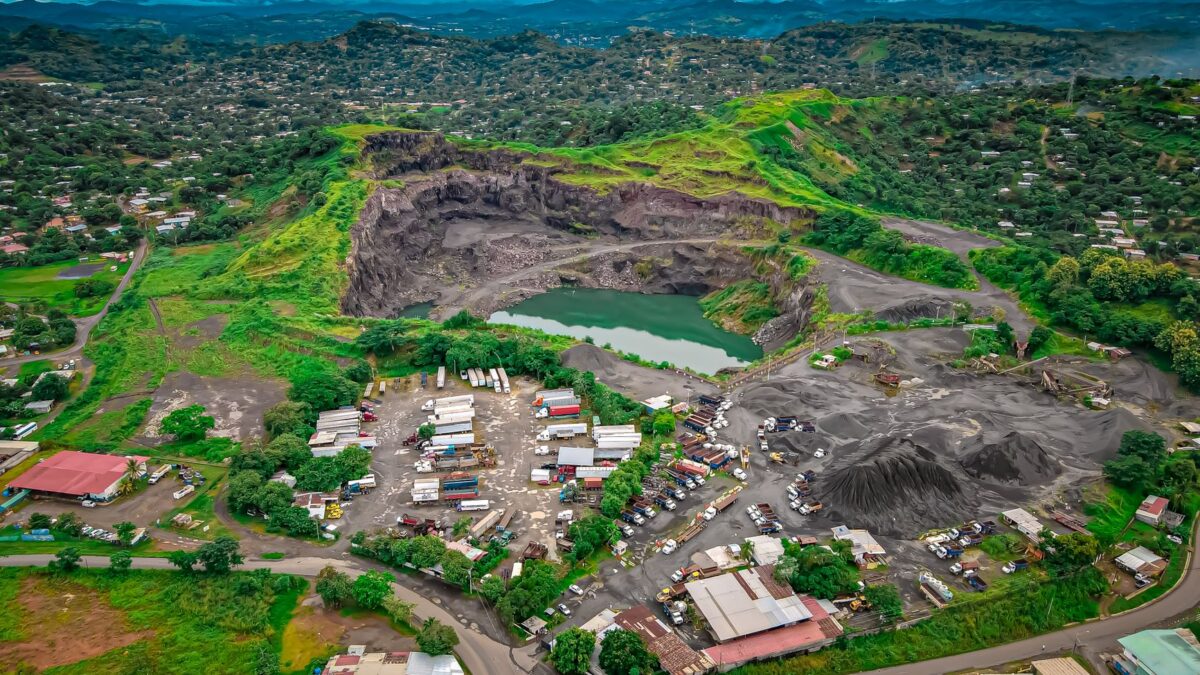
Real del Monte, officially Mineral del Monte, is a small mining town in the state of Hidalgo, reached from Mexico City as a day trip toward Pachuca. People go for the steep streets, the old mining district and a visible British layer in a Mexican town: Cornish miners arrived in the 1820s and left houses, engine houses, a cemetery and, in nearby Pachuca, the first football match in Mexico.
The town sits at 2,700 meters on a mountain pass and is the highest town in Hidalgo, according to Wikipedia’s entry on the town. Expect cooler air than in the capital and bring a layer.
What Real del Monte is
The municipality covers 77.1 square kilometers and had 14,324 residents in 2020. It is one of the 84 municipalities of Hidalgo. Locals often call the town El Real. Its Cornish name is Moon an Menydh.
The older Otomi name was Magotsi, a word that roughly means “high pass.” The site connected the Huasteca region to the east with Otomi territory to the north and with Tenochtitlán, today’s Mexico City, to the west. After the Spanish conquest it became Real del Monte, from “real” (royal) and “monte” (mountain).
Silver, floods and the Cornish miners
Gold and silver were found in the 1520s, after the Spanish conquest, and mining around Pachuca began in the 16th century. By 1725 the mines were flooding. In 1741 Pedro Romero de Terreros and Jose Alejandro Bustamante began a drainage program using an adit, a horizontal tunnel that lets water run out of a mine.
Wikipedia puts the district’s output at an estimated 1.2 billion troy ounces of silver and 6.2 million ounces of gold, which it says is 6% of the silver mined worldwide over five centuries. The 1766 strike at Real del Monte is considered by many to be the first real labor strike in North American history.
In the 1820s Cornish miners brought Industrial Revolution technology and British equipment to drain flooded tunnels. Most came from the Camborne-Redruth-Gwennap area of Cornwall. The Company of Adventurers in the Mines of Real del Monte ran the mines from 1824 to 1848 and employed about 350 Cornish miners. High-pressure steam engines and Cornish know-how made the municipality one of the wealthiest in Hidalgo.
One of the best-known figures was Francis Rule of Camborne, nicknamed El Rey de la Plata (the Silver King), who became very wealthy from several mining interests. One was the Santa Gertrudis mine, which by 1898 was among the most productive in the state under Cornish management.
What to see
The town’s steep streets, stairways and small squares are lined with low buildings. Some date from the colonial period of New Spain. Older houses with high sloping roofs and chimneys show the 19th-century Cornish and English influence.
Four Cornish mine engine houses are still standing. The Panteón Inglés (English Cemetery) holds the graves of hundreds of Cornishmen and was undergoing restoration after storm damage in 2016. Check with the municipality whether it is open before planning a visit around it.
Football history is part of the story. Cornish miners played what Wikipedia describes as the first football game in Mexico at Pachuca in 1900, and the Pachuca Athletic Club, the country’s first soccer club, was founded that year. The first championship was played in 1902, and Pachuca won the 1904-05 tournament. The Cornish also introduced rugby, cricket, tennis, polo and chess. Methodism arrived with them as well, and most of their descendants in Real del Monte and Pachuca are Methodist.
Cornish settlers also left a food trace in the region: the pasty-style turnovers sold as pastes in Hidalgo. Ask for them locally, since the sources used here do not list specific bakeries.
The geology behind the silver
The Pachuca-Real del Monte district lies at the southern end of a mineral zone running northwest toward Mineral del Chico and the Zimapán lead-mining district. The ore sits in volcanic rock, and acanthite and argentite are the main silver minerals. The richest vein, the Veta Vizcaína, extends 5 kilometers east of Real del Monte. Mines in the district have kept limited production going to the present day.
Practical information
The sources do not give opening hours, ticket prices, bus times or distances. For events and local services, the town’s own site is mineraldelmontehidalgo.gob.mx. Confirm transport and what is open on the day before you leave.
For a similar mining-and-history day out, see Taxco, the silver town in Guerrero. A broader list of options by bus is in day trips from Mexico City by bus.
Tips for visiting
- Wear shoes for steep streets and stairways.
- Bring a jacket, because the town stands at 2,700 meters.
- Pair Real del Monte with Pachuca to follow the football and mining story in one trip.
- Confirm the English Cemetery’s status before going, since it was being restored after 2016 storm damage.
Quick answers
Is Real del Monte the same as Mineral del Monte?
Yes. Mineral del Monte is the official name of the town and municipality. Real del Monte is the common name, and El Real is the local nickname.
Why are there Cornish traces in Hidalgo?
Cornish miners came in the 1820s to drain and run the silver mines. The company that operated them employed about 350 of them between 1824 and 1848.
What happened at Pachuca in 1900?
Cornish miners played what is described as Mexico’s first football game, and the Pachuca Athletic Club was founded that year.
Checked against official sources in November 2026. Hours, prices and rules change: confirm on the official page before you go or apply.