Valle de Bravo Day Trip From Mexico City: Lake and Town
Valle de Bravo sits on a reservoir lake about two hours by car from Mexico City. History, sights, festivals and tips for a weekend or day trip.
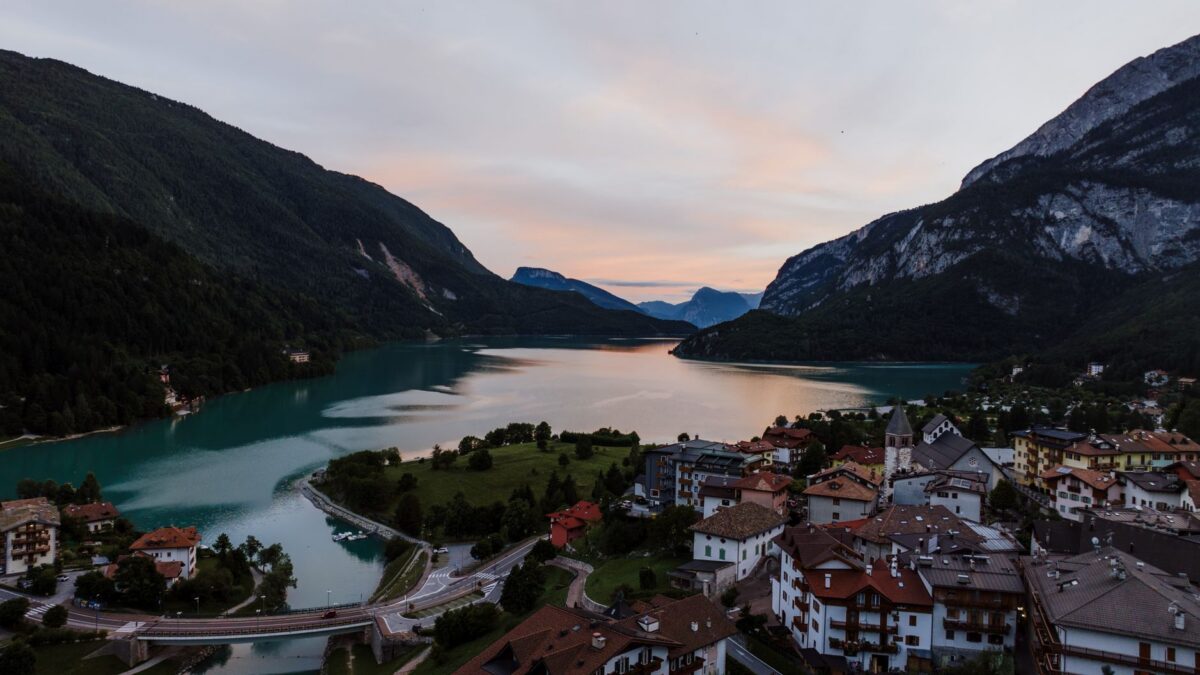
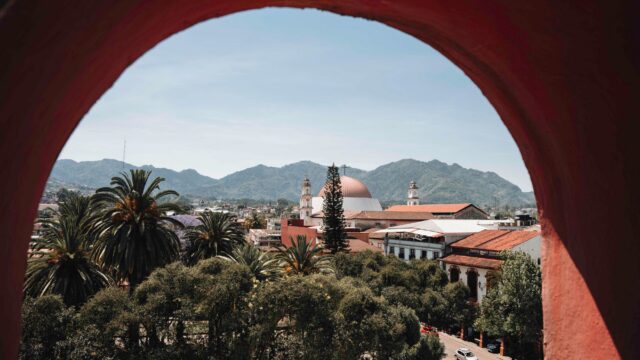
Valle de Bravo is a lakeside town in the State of Mexico, about 156 km (97 miles) southwest of Mexico City. By car it takes roughly two hours, which is why people from the capital and from Toluca treat it as a weekend escape. Visitors go for the lake, the hillside setting, the restaurants and sailing clubs, and a town with Franciscan roots that was named a Pueblo Mágico (Magical Town) in 2005.
This guide draws on Wikipedia’s Valle de Bravo entry. Confirm opening hours and any fees locally before you plan a visit.
Where Valle de Bravo is and how to get there
The municipality is one of 125 in the State of Mexico, and the town of Valle de Bravo is its seat. It lies on the shore of Lake Avándaro, west of Toluca, and is reached on highways 15, 134 or 1. The town stands at 1,850 m (6,070 ft) on a small plateau at the foot of several hills, at the edge of the lake. The 2020 population of the municipality was 61,590.
If you do not want to drive, compare the bus options in our guide to day trips from Mexico City by bus. A two-hour drive each way makes a same-day return possible but long, so many visitors stay at least one night.
A short history of the town and the lake
The Matlatzinca were the first people in the area. Between 1474 and 1479 the Aztec ruler Axayacatl conquered the region. After the fall of Tenochtitlan, Spanish campaigns reached the area, followed by Dominican and Augustinian missionaries. Around 1530 the Franciscan friar Gregorio Jiménez de la Cuenca founded the town as a congregation called “El Pino.” A Franciscan convent was established between 1607 and 1615, and the town grew up around it.
The original name was Valle de Temascaltepec, from the Nahuatl words temazcalli (steam bath) and tepetl (hill). The “de Bravo” was added later to honor Nicolás Bravo, who fought at the Castle of Chapultepec during the Mexican-American War. The town gained town status in 1842 and city status in 1878.
The lake itself is a 20th-century creation. Work on the Miguel Alemán hydroelectric system began in 1938 and ended in 1947. The Villa Victoria Dam flooded 2,900 hectares and formed the reservoir, which stretches into the state of Michoacán. The plant generates 458,775 kilowatts and is part of the water system that supplies Mexico City. The dam is actually a series of dams: Valle, Tilostoc, Colorines, Ixtapantongo and the newest, Santo Tomás de los Plátanos. The lake brought hotels, golf clubs, country cabins, sailing clubs and many restaurants to the shore.
What to see and do
The main draw is the lake and the town beside it, with sailing clubs and lakeside restaurants. Among the town’s churches, the Temple of Santa María Ahuacatlán was started in 1864 as a chapel and has since become a church that is still under construction. Its main altar holds a Black Christ that people still worship, and large canvases by an English artist inside show how Mazahua legend relates to the Black Christ.
The town also has a place in Mexican pop culture. In the 1960s it became known for the Circuito Avándaro auto race, which was suspended in 1969 after the fatal accident of pilot Moisés Solana. On Sept. 11 and 12, 1971, between 200,000 and 300,000 people gathered in the hamlet of Tenantongo for the Festival de Rock y Ruedas Avándaro, sometimes called the Mexican Woodstock.
Festivals and when to go
Tourism is the town’s main economic activity, and it is busiest on weekends, especially with visitors from Mexico City and Toluca. New Year’s Eve and Semana Santa (Holy Week) bring large crowds, so booking lodging well in advance for those dates is strongly recommended.
The Festival Vallesano takes place in March and includes sporting events, horseback riding, art exhibitions, food tastings and cultural and musical performances. The largest annual celebration is the Festival de las Almas (Festival of the Souls), held in late September or early October. The 2007 edition ran for 8 days with 151 programmed events covering film, dance, art, music, literature, workshops and theater, plus Day of the Dead altars. It brought in 4.5 million pesos, drew roughly 160,000 to 170,000 people and spread to events in Apaxco, Cuautitlán Izcalli, Ciudad Nezahualcóyotl, Temascalcingo, Texcoco and Toluca. Dates and programs change every year, so confirm them before you travel.
Tips for visiting
- Book a room well ahead if you plan to visit on New Year’s Eve or during Semana Santa.
- Check opening hours and any entry fees locally before you go.
- Allow for the drive of about two hours each way if you are returning to Mexico City the same day.
- Look for festival dates in March and in late September or early October if you want to time your trip around an event.
If you want a different kind of excursion, the site also covers day trips to Taxco and Tepoztlán.
Quick answers
How far is Valle de Bravo from Mexico City?
It is about 156 km (97 miles) southwest of the capital, roughly two hours by car.
Why is the lake there?
The reservoir was created by the Villa Victoria Dam, built as part of the Miguel Alemán hydroelectric system between 1938 and 1947.
What does the name mean?
The first name, Valle de Temascaltepec, comes from Nahuatl words meaning “hill of steam baths.” The honorific “de Bravo” recognizes Nicolás Bravo.
Checked against official sources in November 2026. Hours, prices and rules change: confirm on the official page before you go or apply.