Peso Slides Almost 4% in Three Days to 19.16 per Dollar
The Mexican peso weakened almost 4% between Nov. 18 and Nov. 20, reaching 19.16 per dollar. What drove the drop and why Banxico's rate cut is in question.
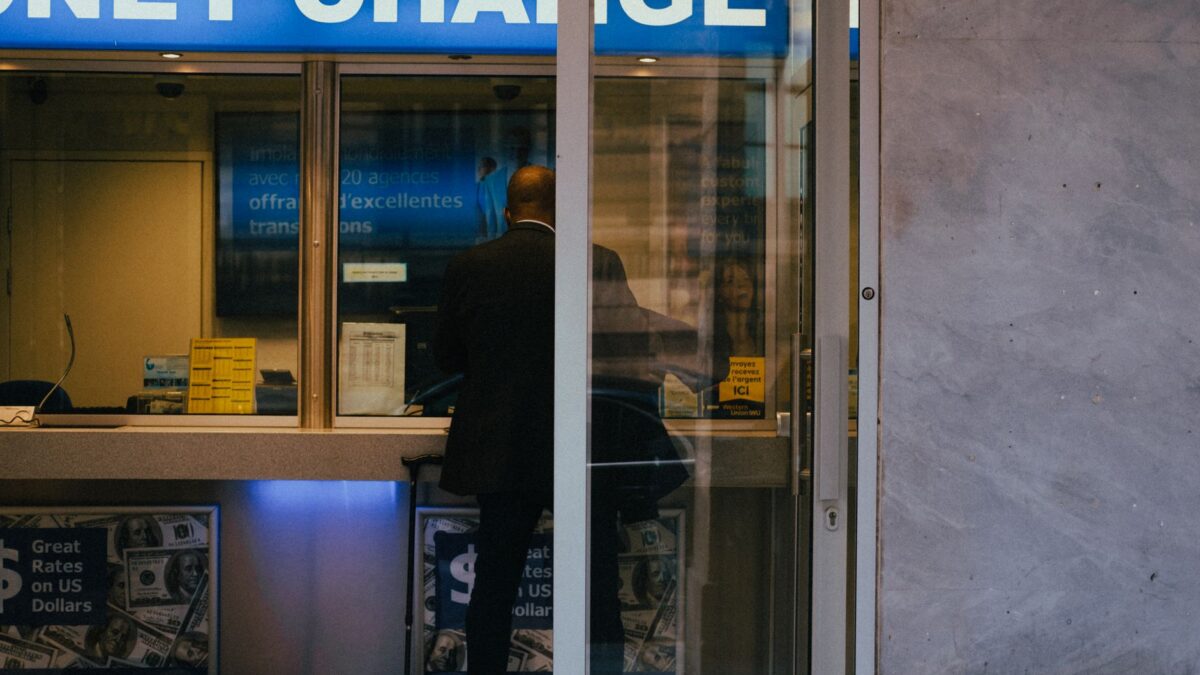
The Mexican peso lost almost 4% against the US dollar between Wednesday, Nov. 18, and Friday, Nov. 20, reaching 19.16 pesos per dollar, according to El Financiero. The exchange rate had not been at that level since the second half of June 2025.
The drop extends a longer slide. Since Sept. 4, the peso has weakened 13.5%, the newspaper reported, and the size of the move has revived a question that matters to anyone paying bills in Mexico: whether a weaker currency will push up consumer prices.
What this means for prices and daily costs
A cheaper peso makes imported goods and anything priced in dollars more expensive for people who earn and spend in pesos. El Financiero wrote that a depreciation of this size could pass through to consumer prices. For residents paid in dollars, or living on savings and remittances from the United States, each dollar now converts into more pesos than it did in early September.
Whether that pass-through happens is now a point of disagreement inside the Banco de México (Banxico, Mexico’s central bank). According to the minutes of its November meeting, some members of its Governing Board played down the risk that the recent depreciation would feed into inflation. El Financiero’s analysis argued that, with the dollar above 19 pesos for the first time in 17 months, minimizing that risk does not hold up.
Why the peso weakened
El Financiero listed several pressures since September:
- Investors became more cautious as the conflict in the Middle East intensified.
- Expectations for the future profits of US technology companies shifted on doubts about the artificial intelligence boom.
- Market volatility picked up.
- The gap between Mexican and US interest rates narrowed.
The last two factors hurt the “carry trade,” in which investors borrow cheaply in developed economies and buy higher-yielding assets in emerging markets such as Mexico. Until September, a wide rate gap between Banxico and the US Federal Reserve had helped the peso stand out among emerging-market currencies, the paper said.
Banxico cut while the Fed went the other way
The two central banks have moved in opposite directions. In September, the Fed raised its target range by a quarter point, its first increase in more than three years. At its Oct. 27 and 28 meeting it held the range at 3.75% to 4.00%, and nearly all Fed officials agreed a further increase would probably be needed “in the coming months” to bring US inflation back to its 2% goal. Minutes published Wednesday showed two officials considered that a hike of more than 25 basis points could be justified in December if upcoming inflation data disappoint.
Banxico, by contrast, cut its benchmark rate by a quarter point to 6.25% on Nov. 5, in a 3 to 2 vote. The rate had been held at 6.50% unanimously in June, August and September.
Two deputy governors dissented
Deputy governors Galia Borja and Jonathan Heath voted to keep the rate at 6.50%. In her dissent, Borja criticized what she called an active “decoupling” of Mexico’s monetary stance from many other economies. She argued that the cut could make the peso more attractive as a hedge for other assets, given how closely it moves with global factors, and that this, together with overlapping global supply shocks, could delay inflation’s return to Banxico’s 3% target.
Heath said a further cut weakens the bank’s stance and works against its own goals. He warned that squeezing the gap between Banxico’s rate and the US federal funds rate below its historic lows is inconsistent with higher foreign rates and a volatile exchange rate.
What to watch
The Fed’s December decision is the next marker the sources point to, since some of its officials have already raised the possibility of a larger hike. For people budgeting in pesos, the open question in Banxico’s own minutes is whether the 13.5% slide since September shows up in what they pay at the store.
Source: El Financiero