Enrolling Foreign Children in Mexican Schools: Rules and Dates
Mexican law opens public schools to foreign children even without papers, and places them by age and an assessment. The SEP calendar, pre-registration dates, documents and how foreign school records are recognized.
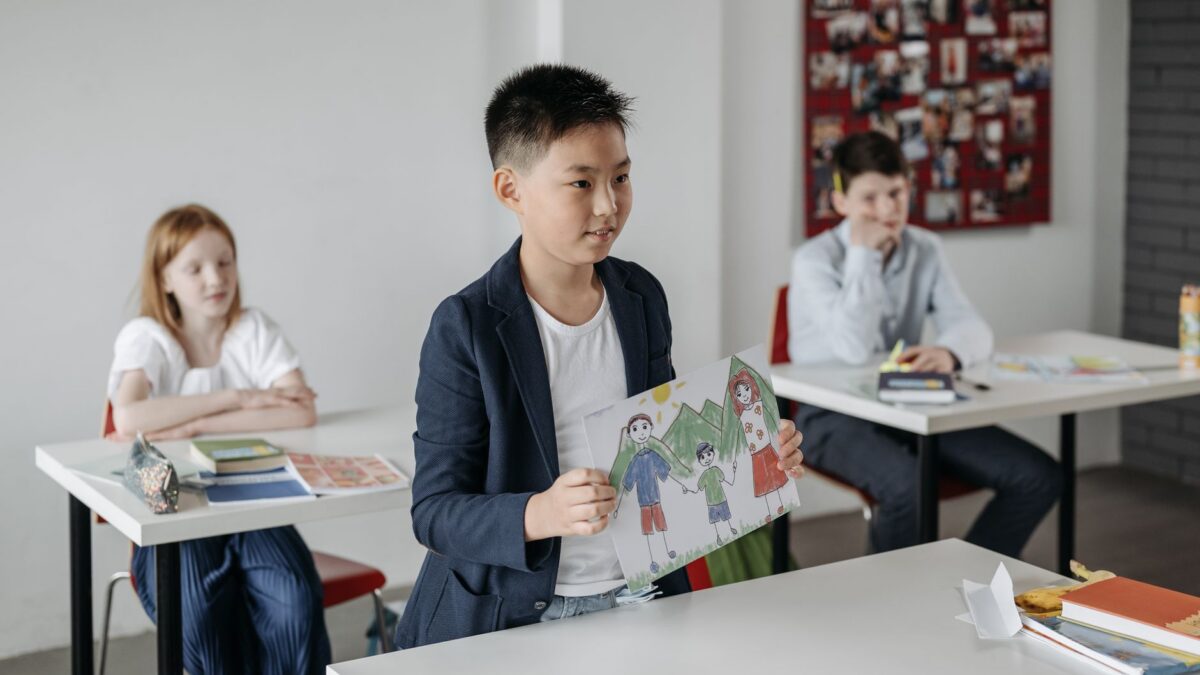
Foreign children can enroll in Mexican public schools whatever their immigration status, and schools must accept them even without academic or identity documents, under the General Education Law. Pre-registration (preinscripción) for preschool, first grade of primary and first grade of secondary for 2027-2028 runs from February 2 to 12, 2027, according to the Ministry of Public Education (SEP).
Can foreign children attend public school in Mexico?
Yes. Article 8 of the Migration Law says migrants can access public and private education regardless of their immigration status, and that no administrative act may impose stricter conditions on foreigners than on Mexicans. The General Education Law (Ley General de Educación) goes further:
- Article 9, section X tells education authorities to make sure children and young people in public schools enjoy the same rights as Mexican students, regardless of nationality or immigration status.
- Article 9, section IX requires access to basic and upper secondary education even when the applicant lacks academic or identity documents. The child is placed in the level and grade that fit their age, development and, where relevant, an assessment.
- Article 7 bars public schools from making enrollment, access or exams depend on any payment. Voluntary parent contributions are not a fee for the service.
Public basic education is free, but uniforms, supplies and parent association contributions are common, and the law says buying them cannot be a condition for attending.
When does the school year start and when do you register?
SEP sets one national calendar for preschool, primary and secondary schools, public and private. For 2026-2027, the SEP calendar announcement of July 15, 2026 gives these dates:
| Event | Dates |
|---|---|
| School year 2026-2027 | August 31, 2026 to July 9, 2027 (185 school days) |
| Winter break | December 21, 2026 to January 5, 2027; classes resume January 7 |
| Spring break | March 22 to April 3, 2027 |
| Pre-registration for 2027-2028 (preschool, 1st grade primary, 1st grade secondary) | February 2 to 12, 2027 |
Pre-registration covers children entering a new level. Children joining other grades mid-way, including families who arrive during the year, apply directly to a school or through the education authority for a place with space. Our list of Mexico’s public holidays shows the other days schools close.
Who runs public schools in Mexico City?
In Mexico City, public preschools, primary and secondary schools are run by the Federal Education Authority in Mexico City (Autoridad Educativa Federal en la Ciudad de México, AEFCM), part of the federal SEP system. AEFCM publishes the local pre-registration procedure and dates for the city. Upper secondary (bachillerato) has its own admission process.
What documents should you prepare?
The law lets a child start school without papers, but having documents ready makes placement faster and helps when the school issues official certificates. Prepare:
- The child’s passport and birth certificate. A foreign birth certificate is usually requested with an apostille and a Spanish translation.
- The CURP, Mexico’s population registry code, if the child has one. Foreign children usually get it with their resident card; our page on the CURP explains how. Ask the school how it registers a child who has none yet.
- School reports or certificates from the last grade completed abroad, with translations.
- Proof of address (comprobante de domicilio); our guide to which bills count as proof of address helps if utilities are in the landlord’s name.
- The parent’s ID and the child’s resident card or visitor document, if any.
- Vaccination records, if the school asks for them.
How are foreign school records recognized?
Studies completed in a foreign education system gain official validity in Mexico through revalidation (revalidación), under Article 142 of the General Education Law. Revalidation can be granted by level, grade, credits or subjects, following national rules set by SEP (Article 144), and it is valid throughout Mexico.
Placement by age and assessment under Article 9 lets a child start classes while paperwork is pending. Official certificates at the end of a level, and admission to bachillerato or university, depend on the records being recognized. Ask the school and AEFCM which grades in your child’s case need a revalidation and what the current SEP fee is, since requirements depend on the country and level.
Bottom line
Gather apostilled birth certificates and translated school reports before you move, and get the child’s CURP with the resident card. Mark February 2 to 12, 2027 if your child will start preschool, first grade or secondary in August 2027. If you arrive mid-year, go to the nearest public school or AEFCM and ask for placement; the law is on the child’s side.
FAQ
Does my child need a resident card to go to school in Mexico?
No. The Migration Law and the General Education Law give access to education regardless of immigration status. A residency card does help with the CURP and official certificates; our guide to family unity residency covers children of residents.
Is public school free in Mexico City?
Yes. Public schools cannot make enrollment or exams depend on any payment, and voluntary parent contributions are not a fee. Families still usually buy uniforms and supplies.
How many days of class are in the school year?
The 2026-2027 calendar has 185 school days, from August 31, 2026 to July 9, 2027. The law sets a range of 185 to 200 days.
What if my child does not speak Spanish?
The law places children by age, development and assessment, not language. Ask the school what support it offers, and consider tutoring in the first months.