Supermarkets in Mexico City Compared: Chains, Clubs and Markets
Discount chains, upscale grocers, warehouse clubs, corner stores and street markets each fill a different gap. How they differ and how to check prices with official data instead of guesswork.
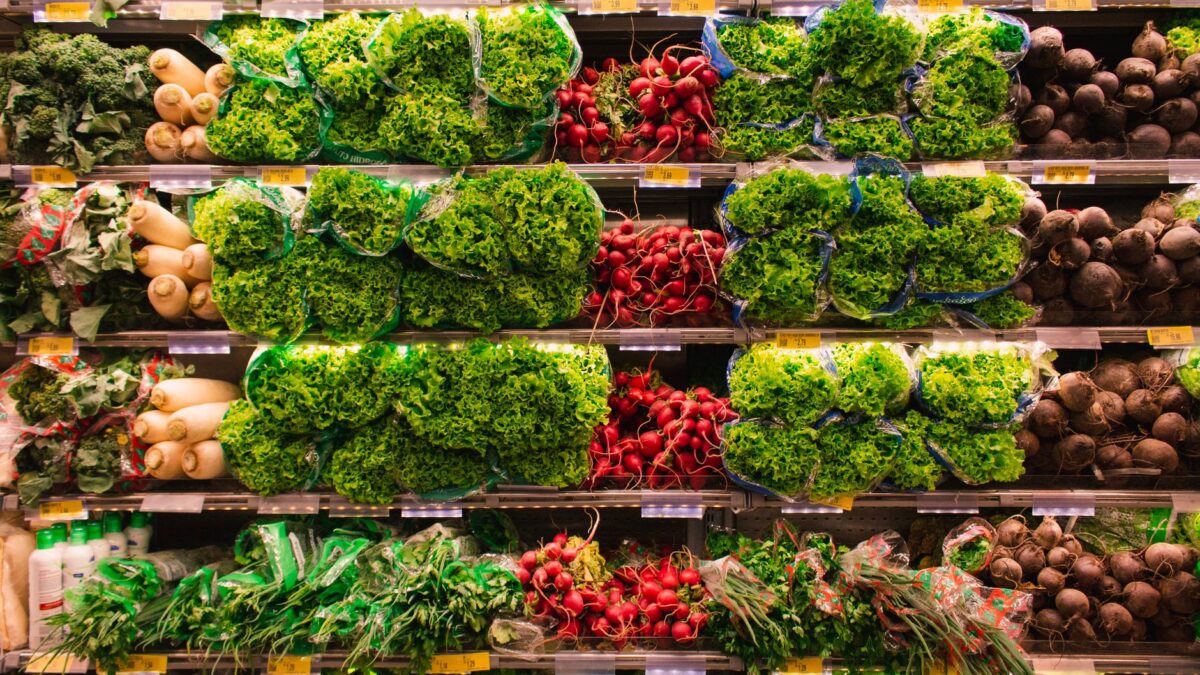
Grocery shopping in Mexico City splits into five types of store: discount chains such as Bodega Aurrera, full supermarkets such as Walmart, Soriana and Chedraui, upscale grocers such as City Market and Fresko, membership warehouse clubs (Costco and Sam’s Club), and Oxxo-style convenience stores. Public markets and street tianguis sit alongside them. Profeco, the consumer agency, publishes price comparisons every week.
Which supermarket chains operate in Mexico City?
Four retail groups own most of the big grocery brands, and each runs several formats aimed at different budgets. The table describes how the chains position themselves; it does not rank prices, which change weekly.
| Brand | Owner | Positioning |
|---|---|---|
| Bodega Aurrera (including Mi Bodega and Bodega Aurrera Express) | Walmart de México | Discount, basic range, many small stores in residential areas |
| Walmart Supercenter | Walmart de México | Large hypermarket with groceries, electronics and household goods |
| Walmart Express (former Superama stores) | Walmart de México | Smaller neighborhood supermarket |
| Sam’s Club | Walmart de México | Warehouse club, membership required |
| Soriana | Organización Soriana | Mid-range supermarkets and hypermarkets, many in former Comercial Mexicana stores |
| Chedraui and Selecto Chedraui | Grupo Comercial Chedraui | Mid-range, with a more upscale Selecto line |
| La Comer, City Market, Fresko, Sumesa | La Comer group | Mid to upscale; City Market and Fresko carry more imported and specialty food |
| Costco | Costco | Warehouse club, membership required, bulk sizes |
| Oxxo, 7-Eleven and similar | Various (Oxxo belongs to FEMSA) | Convenience stores open long hours; small sizes, bill payments |
Walmart de México has been converting Superama stores to the Walmart Express name, so older guides and maps may still use the old brand.
How do you compare grocery prices with Profeco?
Profeco’s price program, Quién es Quién en los Precios (“who’s who in prices”), is the official way to compare stores. It has two parts.
- The weekly basic-goods bulletin. Profeco prices a basket of 24 staples sized for a household of four for one week, including rice, beans, eggs, milk, tortillas, chicken, beef, fruit, vegetables, cooking oil, soap and toilet paper. It then lists the stores with the cheapest and the most expensive basket in each region. The Profeco site publishes the bulletins as PDFs; the one dated September 7, 2026, for example, covered prices from August 24 to 28.
- The price search. The online tool lets you look up a specific product by brand and size and see what each store charges, with minimum, maximum and average prices.
- Pick the 10 to 15 items you buy every week.
- Look them up for your city and note which two or three chains near you come out lowest.
- Check again after a month. Rankings move, and promotions such as fruit and vegetable days change the picture.
Profeco compares identical products by brand and weight, so the bulletin is a fair test of chain prices for branded goods. It says less about fresh food quality or store brands.
Is a Costco or Sam’s Club membership worth it?
A warehouse club pays off when you buy large quantities of things you use anyway, such as cleaning products, coffee, cooking oil, pet food or diapers, and have room to store them. Both clubs charge an annual membership; check the current fee and the levels offered on each club’s site, since they change.
Compare the price per unit, per kilo or per liter, not the shelf price. A bulk pack is not always cheaper than a supermarket promotion, and fresh food in large packs can go to waste in a small apartment. Many households keep one membership and do weekly shopping elsewhere.
What do public markets and tianguis offer?
Mexico City has more than 300 public markets (mercados públicos) on the register kept by the city’s Economic Development Ministry (SEDECO), each with dozens of stalls selling produce, meat, chicken, fish, cheese, flowers and household goods. Many have food stalls (fondas) that serve the set lunch described in our guide to comida corrida.
Tianguis are street markets that set up on the same street one or more days a week, often under pink or blue awnings. Some neighborhoods also have a mercado sobre ruedas, a mobile market on a fixed weekly day. Both sell produce by the kilo and are usually cheapest late in the day, when stall holders clear stock.
The Central de Abasto in Iztapalapa is the city’s wholesale market. The Ministry of Economy’s market information system (SNIIM) publishes its wholesale prices for fruit and vegetables, which is a useful reference when retail prices jump.
- Bring cash in small bills; card terminals are less common at stalls.
- Prices are per kilo unless marked otherwise. Asking for half (medio) or a quarter (cuarto) is normal.
- Stall holders often let you taste fruit before you buy.
How do you pay, and what about bags and receipts?
Chains accept debit and credit cards, and Profeco says stores may not add a surcharge for paying by card. Oxxo and other convenience stores also take payments for utility bills, transfers to some bank accounts and online orders paid in cash.
Mexico City has banned stores from handing out single-use plastic bags since 2020, so bring reusable bags, especially to markets. Supermarkets sell sturdy bags at the checkout.
For business expenses, keep the till receipt: chains let you issue a factura online from the receipt within a limited window. Our guide to requesting a CFDI factura explains what data you need.
Which option suits which kind of shopping?
| You want | Usually the best fit |
|---|---|
| Lowest prices on branded staples | Check Profeco’s weekly bulletin; discount and mid-range chains often lead |
| Fresh produce, meat and fish | Public market or tianguis |
| Imported, organic or specialty food | City Market, Fresko, Selecto Chedraui or a club |
| Bulk household goods | Costco or Sam’s Club |
| Late-night basics and bill payments | Oxxo or another convenience store |
For the bigger picture of what food and services cost, see our page on the cost of living in Mexico City.
Bottom line
Use Profeco’s bulletin to choose a supermarket for branded staples, then buy fresh food at the nearest market or tianguis. Join a warehouse club only if you have space and a steady list of bulk items, and keep receipts if you need facturas.
FAQ
Which supermarket is cheapest in Mexico City?
It changes week to week and by area. Profeco’s weekly Quién es Quién en los Precios bulletin names the stores with the cheapest and most expensive basic basket in each region, so check the latest one.
Can I use a US Costco membership in Mexico?
Costco says memberships are valid at its warehouses worldwide, but confirm with your local warehouse before you shop; the Mexican club sets its own fees for new members.
Are tianguis prices fixed?
Prices are posted on most stalls. Light bargaining is uncommon for food but happens with larger purchases and late in the day.
Do supermarkets in Mexico City deliver?
Most big chains run their own online shops with home delivery, and delivery apps carry many of them. Fees and minimum orders vary by chain and area.