Mexico City Suspends Delivery Rider Plate and License Pilot
Mexico City's mobility ministry suspended its pilot requiring cargo licenses and commercial plates for app delivery riders after Santa Fe blockades.
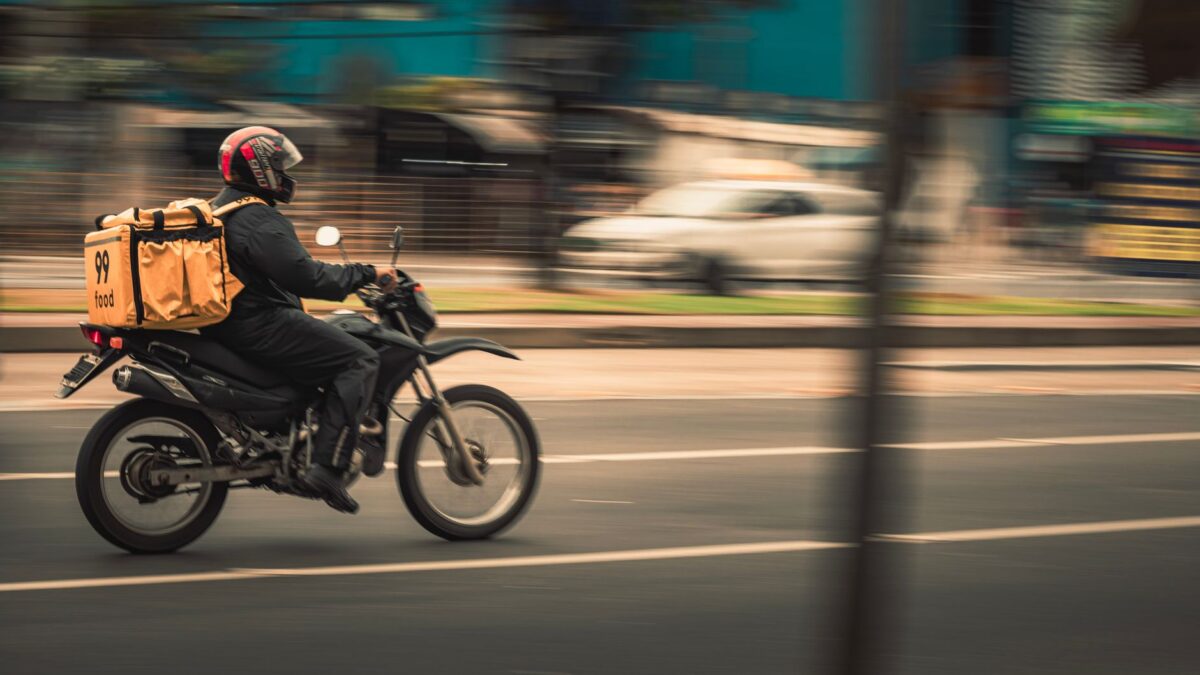
Mexico City’s mobility ministry, Semovi (Secretaría de Movilidad), has put on hold a pilot program that would have forced motorcycle delivery riders for apps such as Uber Eats, Rappi and DiDi Food to get a cargo license and commercial plates. The ministry announced the suspension on Monday, Nov. 9, after riders blocked roads in the Santa Fe district.
The ministry and rider representatives agreed to set up new working tables to revise the proposal. Publimetro México reported that no new date has been set to restart the project, and no final costs, deadlines or requirements for the license and plates have been announced.
What Semovi had proposed
Under the plan, riders working through digital platforms would apply for a cargo transport license and for commercial plates, both different from those on privately owned motorcycles. Delivery bikes would also use designated parking spots in parking meter zones, at rates different from those paid by personal vehicles, and drivers would receive training.
Semovi’s head, Héctor Ulises García Nieto, told the Mexico City Congress on Nov. 4 that 80% of the motorcycles on the capital’s streets are used for deliveries, which in his view called for rules specific to the service. According to Mobile Time, the ministry planned to run the pilot during 2026 before a possible citywide rollout in 2027.
Why riders objected
Riders said the new paperwork and fees would pile on top of existing obligations, including a motorcycle driver’s license and rules tied to their enrollment in social security. Mobile Time reported that a main worry is who would pay for the new licenses and plates. Riders told local media there is no guarantee the platforms would cover the cost, so workers might absorb it or it might be passed on to customers through delivery fees.
Publimetro México added that riders also raised concerns about buying insurance and about the expense of adapting their motorcycles to commercial transport requirements. Some riders questioned why a new license is needed to carry food and other small orders. Some said they support more training to cut traffic incidents, provided it adds no financial burden.
Blockades in Santa Fe and outside the ministry
On Monday morning riders closed roads in Santa Fe, a major commercial and corporate area on the capital’s western side. Publimetro México listed avenida Vasco de Quiroga, Juan Salvador Agraz, avenida Tamaulipas and the access roads to the México-Toluca highway, where long lines of vehicles formed.
Reports differ on how long the closures lasted. Mobile Time said almost five hours, while Publimetro México said about four. Both agree the roads reopened once the protesters accepted talks with authorities.
The protest then moved to the ministry’s offices in colonia Roma, where riders repeated their opposition to the cargo licenses and commercial plates. Publimetro México said the gathering also closed calle Álvaro Obregón and nearby streets during the talks.
Why it matters for riders and customers
For the people who deliver orders, the suspension means the new license and plate requirements are not in force for now. The cost question remains open, since no fees have been published and the ministry has not said who would pay them.
Not everyone in the sector sees the pause as a win. According to Mobile Time, the collective Ni un repartidor menos said a suspension is not a permanent cancellation. It asked Semovi to explain what will be reviewed, to include a range of groups and to put agreements in writing. It also asked that no measure be treated as accepted on behalf of the whole trade.
The ministry’s statement, quoted by El Universal, said Semovi wants a regulation built by consensus that improves riders’ conditions and road safety. The ministry also said it wants to bring order to the small-cargo motorcycle service.
What happens next
The working tables will review the riders’ proposals, and authorities are expected to keep talking with motorcyclist organizations before deciding on next steps. No schedule for those meetings was given in the sources.
Separately, García Nieto repeated on Nov. 4 that carrying passengers on motorcycles is not authorized in Mexico City, even though apps such as Uber and DiDi offer it. According to Mobile Time, he warned that Semovi could cancel the concessions of companies that keep providing the service. Two initiatives are before the city Congress to change the Mobility Law: one would expressly ban paid passenger transport on motorcycles, including through apps, and the other would recognize and regulate mototaxis.
Sources: mobiletime, Publimetro México, El Universal