Chapultepec Zoo Mexico City: History, Pandas and What to See
Chapultepec Zoo opened in 1924 in Chapultepec Park and is known for its giant pandas. See its history, habitat zones, native species and visiting tips.
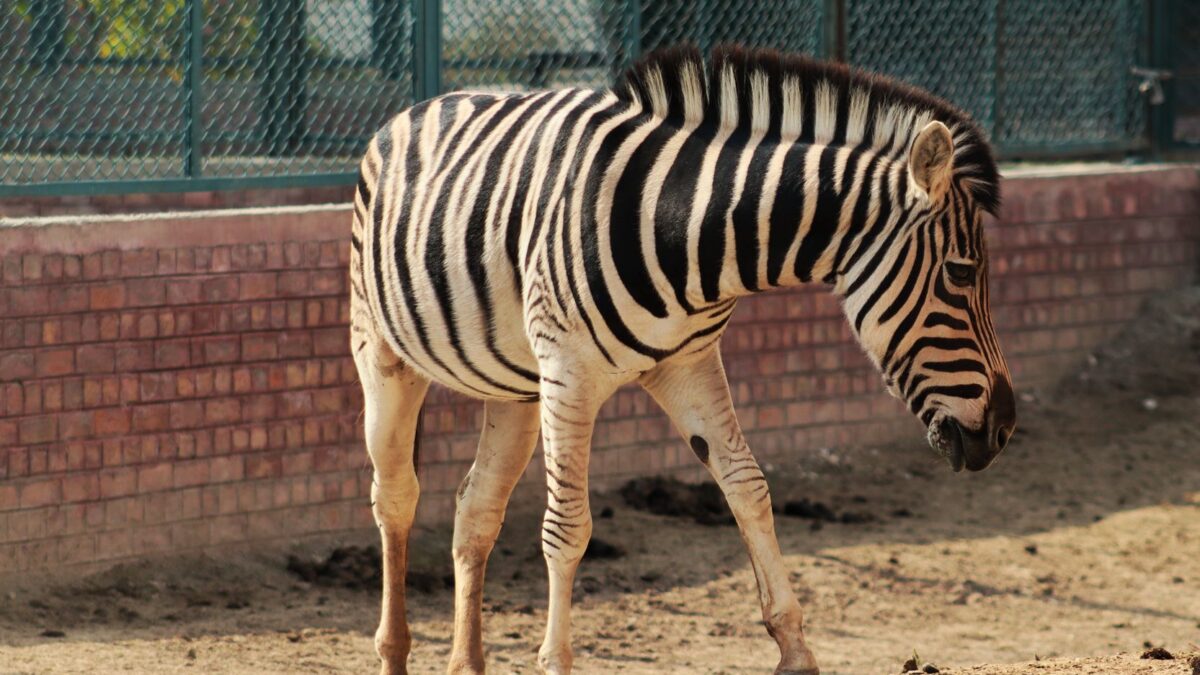
The Zoológico de Chapultepec (Chapultepec Zoo) sits inside Chapultepec Park and is the best-known zoo in Mexico. It opened in 1924, is considered the national zoo, and is famous for breeding giant pandas, threatened Mexican wolves and other species. Families come for the animals, and many visitors fit it into a day with the park’s museums and castle.
Opening hours and admission are not listed on the pages used here, so check the official zoo page run by the city’s environment ministry before you go.
A zoo with roots in Aztec Mexico
Keeping wild animals in the city is an old tradition. According to the Mexico City tourism office, Moctezuma II kept a zoo on the site where the Torre Latinoamericana stands today, and Chapultepec itself was a retreat for the tlatoanis (Aztec rulers), with springs, animal collections and bathing areas.
The modern zoo was the project of Mexican biologist Alfonso L. Herrera, who wanted to recreate Moctezuma’s zoo and aviary and show Mexicans both native and foreign species. Wikipedia’s entry on the zoo dates its founding to July 6, 1923, with money from private donors, the Ministry of Agriculture and Development and the Society of Biological Studies; the gates opened in 1924. Herrera brought back the first animals after trips to the United States: three lion cubs and two American bison. Native animals came from states such as Sonora, Veracruz and Campeche, and others arrived in exchanges with India, France, Peru and Brazil. That first collection had 243 animals.
Between 1950 and 1960 the zoo was run mostly as a place of recreation. Mayor Ernesto P. Uruchurtu backed a renovation in that decade and new species were added.
The 1990s rebuild and the habitat zones
From June 24, 1992, to Aug. 1, 1994, the zoo was completely remodeled under a project called “Ecological Rescue Chapultepec Zoo.” For more than seven decades animals had been shown by group: primates, cats, dogs, herbivores, birds, reptiles. After the rebuild they were regrouped by bioclimatic zone, matching where they live in nature.
There are four climates: cold and wet (temperate forest and coast), cold and dry (grassland), hot and humid (tropical rainforest) and hot and dry (arid land and savanna). Mexico has all four, and each exhibit begins with the native Mexican animals of that zone. Enclosures were built to look like each species’ natural habitat.
What to see
Wikipedia lists these exhibit areas:
- Butterfly House and Insectarium
- Sharks
- Desert and Grasslands
- Herpetarium (reptiles and amphibians)
- Dinosaurium
- Coastal strip
- Aviary
- Temperate forest and Tropical forest
- Giant pandas
The city tourism office names elephants, monkeys, giraffes and bighorn sheep among the best-known residents, along with endangered animals such as the Mexican wolf, jaguar, axolotl, giant pandas, the teporingo (volcano rabbit), parrots and several insect species. Wikipedia adds the thick-billed parrot, ocellated turkey and red-kneed tarantula to the list of threatened native species kept here.
Figures for the collection differ between sources. The city tourism page counts 1,236 animals of 222 species of mammals, birds, reptiles and amphibians. Wikipedia gives almost 2000 animals from more than 200 species in its text, and 1930 animals and 250 species in its summary table, with 42 acres (17 ha) of land and 5.5 million visitors a year.
The giant pandas
The pandas are the zoo’s best-known animals. China gave Mexico a pair, Pe Pe and Ying Ying, in September 1975. In 1980 Chapultepec became the first institution outside China to breed giant pandas in captivity, and eight have been born at the zoo in total.
The most famous was Tohui, born July 21, 1981, who even had her own song by the Mexican singer Yuri. She died on Nov. 16, 1993. Shuan Shuan, born at the zoo, was the oldest panda in Mexico when she died in 2022. Today one female lives at the zoo: Xin Xin, born July 1, 1990, to Tohui and Chia Chia, a male on loan from the London Zoo. Her name means “hope” in Chinese.
The Chapultepec pandas are unusual because China does not own them: the first pair were a gift, and the rest were born before China moved from gifts to loans, according to Wikipedia.
Conservation work
Wikipedia also credits the zoo with breeding success with California condors, the first outside the United States, and with Mexican wolves, where the first litter of cubs was born to released wolves. A reproductive physiology laboratory was set up in 1998.
Chapultepec Zoo works together with the San Juan de Aragón zoo and the Zoológico de los Coyotes in Coyoacán. All three belong to the Secretaría del Medio Ambiente (SEDEMA, Mexico City’s environment ministry) and act as wildlife conservation centers, both inside the zoos and in the wild.
Tips for visiting
- Plan for families: the tourism office describes the zoo as a place for the whole family, especially young children.
- Ask about guided visits and summer courses for children, which the zoo runs.
- Combine it with nearby sights. The zoo sits close to the Museo Nacional de Antropología, Chapultepec Castle, the park’s lake and the Museo del Caracol. Our guide to Chapultepec Park’s museums and how to get around it helps plan a full day, and the Chapultepec Castle hours and tickets guide covers the hilltop castle.
- Check hours, closing days and any fees on the SEDEMA zoo page before you set out.
For more outdoor space, see our list of green spaces from Chapultepec to Viveros.
Quick answers
Are there still pandas at Chapultepec Zoo?
Yes. One female giant panda, Xin Xin, lives at the zoo, according to Wikipedia.
Who founded Chapultepec Zoo?
Mexican biologist Alfonso L. Herrera founded it. The zoo opened in 1924.
Which other zoos does Mexico City run?
The city also runs the San Juan de Aragón zoo and the Zoológico de los Coyotes in Coyoacán, both under SEDEMA.
What are the opening hours?
Hours are not listed on the pages used for this guide. Confirm them on the official SEDEMA zoo page before visiting.
Checked against official sources in November 2026. Hours, prices and rules change: confirm on the official page before you go or apply.