Chapultepec Park Mexico City: 5 Museums, the Zoo and How to Visit
Chapultepec Park holds five major museums, including the castle, plus the city zoo. See what each has, published hours and how to get there.
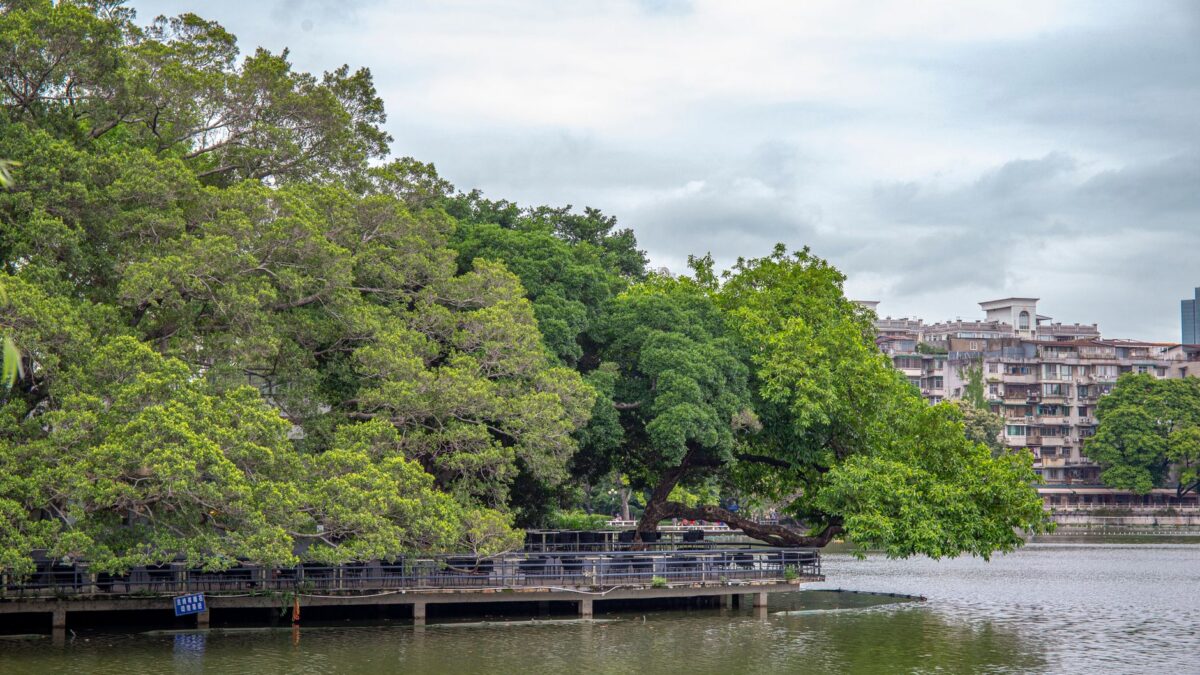
Bosque de Chapultepec (Chapultepec Forest) is a park of just over 866 hectares (2,140 acres) in the Miguel Hidalgo borough of Mexico City, and its first section holds most of what visitors come for: Chapultepec Castle, the zoo, the National Museum of Anthropology and several art museums. The castle and the anthropology museum open Tuesday to Sunday from 9:00 to 17:00. The Papalote children’s museum sits farther west, in the second section.
The park is divided into four sections. According to Wikipedia’s article on Chapultepec, the first section is the oldest and gets the most visitors, an estimated 24 million a year. Aztec rulers used the hill as a retreat with springs and gardens, and in 1530 Charles V made the area property of the city and opened it to the public. The second section was added in 1964 and the third ten years later.
Museo Nacional de Historia, Castillo de Chapultepec
The castle stands on top of Chapultepec Hill (Cerro del Chapulín) and houses the National History Museum. Building started in 1785 as a summer house for the viceroy Bernardo de Gálvez. Later it was home to the Colegio Militar (Military College), then an imperial and presidential residence. On Sept. 13, 1847, during the Mexican-American War, military college cadets died defending it. Mexico remembers them as Los Niños Héroes, and a monument to them stands in the park.
After restoration between 1941 and 1944, the castle opened as a museum in 1944 with 30 exhibition rooms. The permanent collection covers Mexican history from the fall of Tenochtitlan in 1521 to the Mexican Revolution: paintings, documents, clothing, furniture and technology. It also hosts lectures and concerts, and the views over the city are among the best in Mexico City. Our guide to Chapultepec Castle hours and tickets has more detail.
Hours: Tuesday to Sunday, 9:00 to 17:00, according to the city’s Mexico City tourism page for the castle. The garden and the old observatory open the same hours as the museum.
Museo de Arte Moderno
The Museo de Arte Moderno (MAM, Museum of Modern Art) opened on Sept. 20, 1964, and belongs to the Instituto Nacional de Bellas Artes y Literatura, Mexico’s national fine arts institute. Its collection concentrates on Mexican art from the 1930s onward, including the Escuela Mexicana de Pintura and the Generación de la Ruptura. Names in the collection include Frida Kahlo, Diego Rivera, David Alfaro Siqueiros, José Clemente Orozco, Leonora Carrington, Remedios Varo, María Izquierdo and Rufino Tamayo. The museum also keeps a large group of photographs by Manuel Álvarez Bravo.
The building was designed by Pedro Ramírez Vázquez and Carlos A. Cazares Salcido with Rafael Mijares Alcérreca. Sculptures fill the lobby and gardens, so a walk around the grounds is worthwhile even if you skip the galleries. The permanent collection is in room C of the main building, on the first floor. Much of the holdings appear only in temporary shows, because space is limited.
Getting there: Chapultepec station on Metro Line 1, according to Wikipedia’s entry on the Museo de Arte Moderno. Hours are not listed in our sources; check the museum’s own site before you go.
Museo Nacional de Antropología
The city’s tourism site calls the Museo Nacional de Antropología (MNA, National Museum of Anthropology) the most visited museum in Mexico. It was built in 1963 and 1964 under the architect Pedro Ramírez Vázquez, during the government of President Adolfo López Mateos, to bring together the country’s Indigenous heritage, much of it found through archaeology. The collection goes back to 1790, when the Piedra del Sol (Sun Stone, often called the Aztec calendar stone) was found at the base of the Metropolitan Cathedral. That stone now dominates the central hall.
The ground floor holds the anthropology section: eleven galleries opening straight off a large central patio. In the patio stands the “paraguas” (umbrella), a monumental sculpted column that is the courtyard’s main focal point. The facade decoration uses pre-Hispanic symbols such as the serpent and the conch shell. If archaeology is your main interest, see our list of museums for history and archaeology lovers.
Hours: Tuesday to Sunday, 9:00 to 17:00. Getting there: the Turibús Centro Histórico circuit stops on Paseo de la Reforma at Avenida Grutas, where the Tláloc monolith is visible from the street. Details are on the city’s Mexico City tourism page for the museum.
Museo Tamayo Arte Contemporáneo
The Museo Rufino Tamayo, now called the Museo Tamayo Arte Contemporáneo, puts on some of the city’s major contemporary art exhibitions. Rufino Tamayo, a painter born in Oaxaca in 1899, started collecting in the 1960s to bring more 20th-century art to the Mexican public. It was the first major museum in Mexico built with private money, and the Instituto Nacional de Bellas Artes (INBA) has run it since 1986.
Abraham Zabludovsky and Teodoro González de León designed the low, modular building, which sits among the trees of the park. Construction began in 1979 and took two years, and a major reconstruction ended in June 2012. Collection shows can stay up for as long as a year and have included Joan Miró and Louise Nevelson. Since the late 1980s the museum has bought contemporary work such as installation, photography and video. For other options, compare our guide to Mexico City’s art museums.
Getting there: the Turibús Centro Histórico circuit stops on the eastbound side of Paseo de la Reforma, closer to the front of the Museum of Modern Art, according to the city’s Mexico City tourism page for the Tamayo. Check opening hours on the museum’s site.
Zoológico de Chapultepec
Chapultepec Zoo is considered Mexico’s national zoo. The scientist Alfonso L. Herrera opened it in 1924, and today it holds 1,236 animals of 222 species of mammals, birds, reptiles and amphibians. Elephants, giraffes, monkeys and bighorn sheep live there, along with endangered species such as the Mexican wolf, the jaguar, the axolotl, pandas and the teporingo (volcano rabbit).
The zoo was later fully rebuilt, with animals grouped by climate zone. It belongs to the city’s Secretaría del Medio Ambiente (environment ministry) together with the San Juan de Aragón zoo and the Los Coyotes zoo in Coyoacán, and all three work as conservation centers. Guided visits and summer courses for children are available. Families can find more ideas in our list of things to do in Mexico City with kids.
Hours and entry rules are not given on the city’s Mexico City tourism page for the zoo; confirm them before you go.
Papalote Museo del Niño, second section
Papalote is a hands-on children’s museum built around the motto “touch, play and learn.” It opened in 1993 and has since added branches in Cuernavaca and Monterrey. “Papalote” means kite in Nahuatl. Ricardo Legorreta designed the blue, tile-covered building, which can be seen from far across the park.
Inside are five sections on themes such as nature, biology and civics, plus creativity workshops, temporary exhibitions and an IMAX screen that shows educational films and documentaries. The Jardín Maya, an archaeology-themed garden, has a pyramid kids can explore. The museum also holds Thursday-night open houses for adults.
Hours: Monday to Friday, 9 a.m. to 5 p.m.; Saturday, 10 a.m. to 2 p.m. Getting there: Capital Bus stops at the museum on its route through the second section, according to the city’s Mexico City tourism page for Papalote. Los Pinos Cultural Complex and the Calzada Flotante are within walking distance.
Tips for visiting
- Several big sites close on Mondays: the castle and the anthropology museum open Tuesday to Sunday only. Papalote does open on Monday.
- Group by area. The castle, the zoo, the Museo de Arte Moderno, the Tamayo and the anthropology museum are all in the first section, near Paseo de la Reforma. Papalote is a separate trip into the second section.
- The anthropology museum alone can fill a day. Leave the castle or one of the art museums for another visit.
- Bring water and comfortable shoes: the castle sits on a hill and the park is large. On a wet afternoon, see our list of indoor museums for rainy days.
Quick answers
How big is Chapultepec Park?
It covers just over 866 hectares (2,140 acres) in four sections. The first section has the castle, the zoo and the main museums.
Which Metro station serves Chapultepec Park?
Chapultepec station on Line 1 is listed as the stop for the Museo de Arte Moderno, at the park’s eastern side.
What are the hours of the National Museum of Anthropology?
Tuesday to Sunday, 9:00 to 17:00, the same as Chapultepec Castle.
Is Papalote in the same part of the park as the zoo?
No. Papalote is in the second section, while the zoo is in the first section with the castle and the major museums.
Checked against official sources in November 2026. Hours, prices and rules change: confirm on the official page before you go or apply.