Mexico City Spends 600 Million Pesos on Water Leak Sensors
Mexico City will spend 600 million pesos on a telemetry system to spot water leaks sooner, with a goal of fixing 30 thousand leaks in 2027.
Mexico City’s head of government, Clara Brugada, presented a new Sistema Integral de Telemetría (Comprehensive Telemetry System) for the water network, backed by an investment of 600 million pesos. According to Milenio and El Diario de Sonora, sensors installed in wells will show right away where water pressure is dropping, so crews can reach leaks before residents lose service.
The city has set a goal for 2027: attend to 30 thousand drinking-water leaks in the year. Brugada said that would triple the number of leaks the city handles today.
How the sensors change leak detection
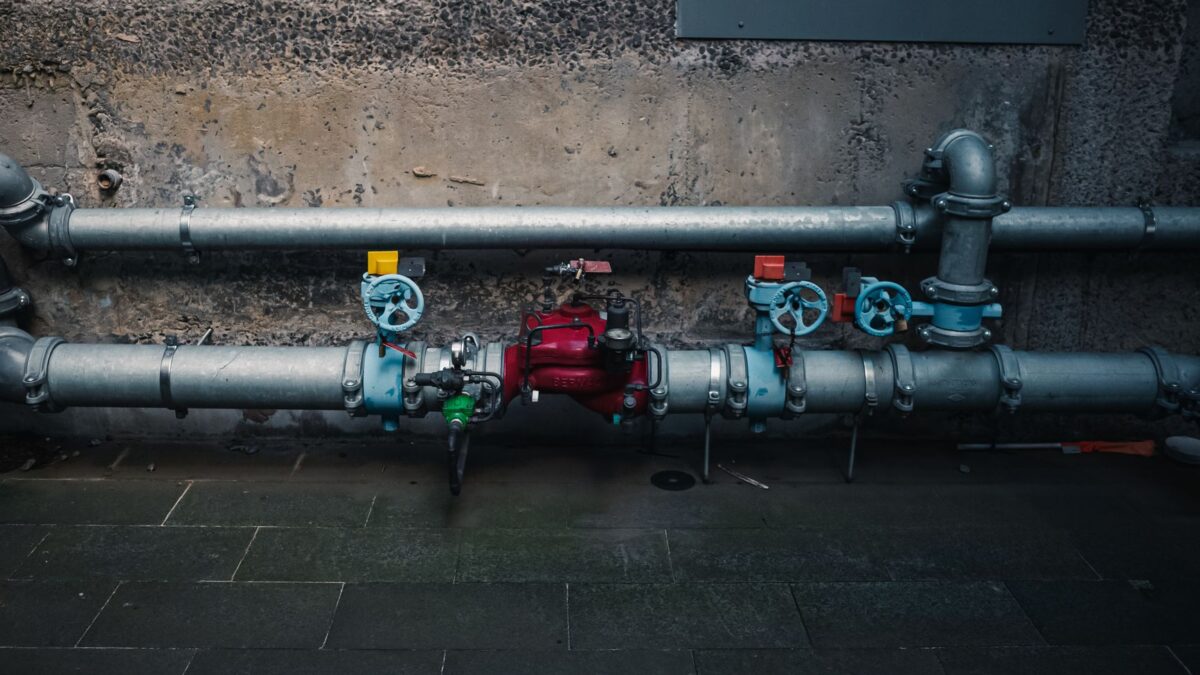
Brugada spoke at the Cámara de Válvulas (valve chamber) in the Condesa neighborhood. She said the city now learns about most problems only when residents complain about a lack of water. Wells that have not been modernized or automated can stop working without anyone noticing, she explained, until people who have gone a week without water take to the streets to protest.
The telemetry system is meant to replace that reactive approach with a preventive one. Sensors in the wells will report pressure losses as they happen, and the city plans to modernize and automate wells that still run manually.
Water recovered in 2026
Brugada said her administration recovered 1 thousand 800 liters of water per second in 2026 by repairing thousands of leaks in time. She said this came without drawing more water from the aquifers, which she said would harm the ground beneath the city.
The 30 thousand-leak target for 2027 is part of a longer plan to deal with 100 thousand leaks in the city’s network.
Drainage and flood monitoring
The platform also covers drainage and flood prevention. It links information from the C5 del Agua (the water monitoring and command center) with more than 100 rain gauges, a weather radar, and sensors at underpasses and in the lumbreras (shafts) of the deep drainage system. Officials said this lets operators control floodgates and pumping plants remotely.
Residents who report problems through LOCATEL’s H2O line, 55 5658 1111, are routed to 59 strategic guard points spread across the city’s 16 alcaldías (borough governments), according to the authorities.
Cutzamala reservoir levels
Officials also gave a reading for the Sistema Cutzamala, the reservoir system that supplies part of the city’s water. It is at 96 percent of storage, with 748 million 500 thousand cubic meters of water held as a strategic reserve.
Why it matters for residents
For people in Mexico City, water cuts are usually reported by neighbors, sometimes after days without service. If the sensors work as described, crews would learn of a pressure drop or a stopped well from the system instead of from a protest. The city says this applies across its network, and the flood sensors cover the rainy-season side of the same problem, since the drainage gates and pumping plants can be operated from a distance.
The 600 million peso investment and the 2027 leak target also give residents a number to measure the city against. Brugada herself framed it that way, telling reporters, in a quote reported by Milenio, that the commitment would be evaluated in about a year.
What comes next
Brugada announced that the city will soon present an interactive digital platform that lists a package of 635 works and actions on water infrastructure. According to the officials, it will include geolocation, photographs and progress indicators for each project. No date for the public launch was given.
Residents who want to report a leak or a lack of water can use the H2O line at LOCATEL, which the city says forwards reports to its guard points in all 16 alcaldías.
Sources: El Diario de Sonora, Milenio