Otomí Families Mark Six Years Inside Former Indigenous Affairs HQ
Otomí families who occupied the INPI headquarters in Mexico City on Oct. 12, 2020 are still there, running a school and kitchen as the Casa de los Pueblos.
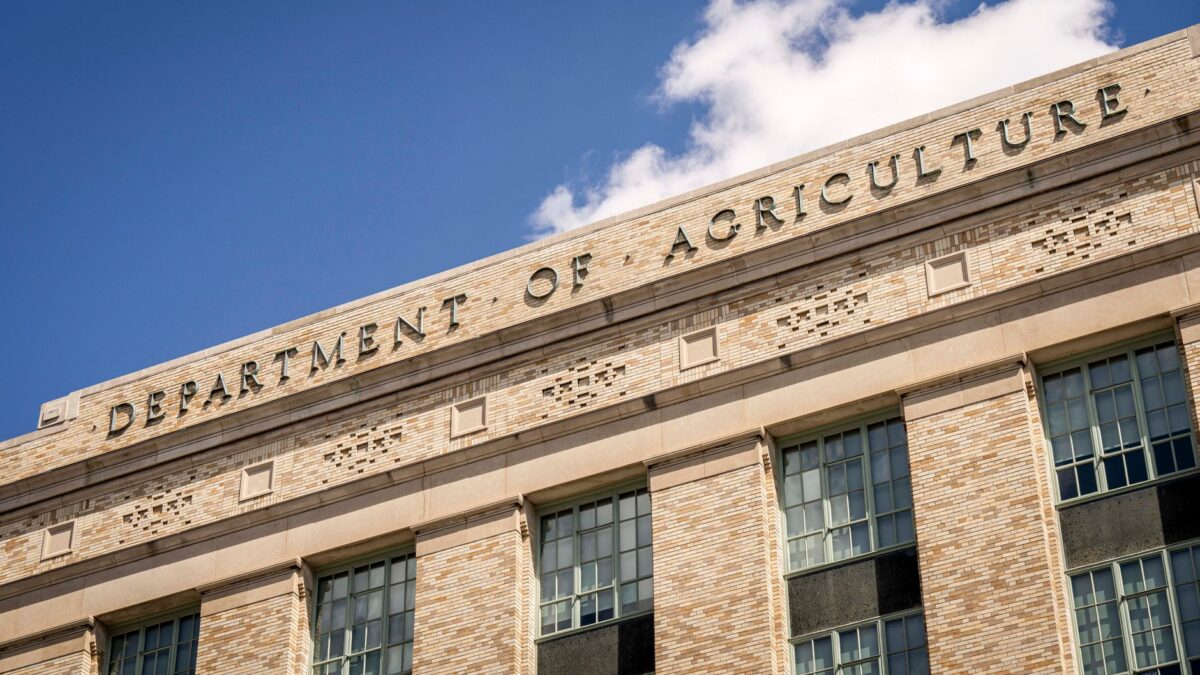
A community of Otomí Indigenous families marked six years on Oct. 12 inside the former headquarters of the INPI (National Institute of Indigenous Peoples), a federal agency, on Avenida México-Coyoacán in Mexico City. According to Mexico News Daily, about 100 community members walked into the building on Oct. 12, 2020 over a housing dispute and expected to stay a week.
The six-story building is now called the Casa de los Pueblos y Comunidades Indígenas “Samir Flores Soberanes.” It houses a home, an autonomous school, a communal kitchen and a cultural center. On the anniversary, spokeswoman Anselma Margarito announced that the building would become the patrimony of the Congreso Nacional Indígena (CNI, the National Indigenous Congress) and the Zapatista Army of National Liberation.
Why the families went in
The families come from Santiago Mexquititlán, Querétaro, and had lived for years in occupied properties in central Mexico City, some made of corrugated metal sheets full of holes. After the 1985 earthquake, Otomí families began occupying damaged or abandoned buildings in colonias Roma and Juárez. Isabel Valencia, 59, told the outlet her community spent 25 years petitioning agencies, including for the expropriation of Zacatecas 74, where she lived, and was passed from office to office.
Margarito said some families were evicted from Roma 18 while their clothes and identification papers stayed inside. Beyond housing, the community and its CNI allies had come to see the INPI as aligned with a federal government pushing megaprojects on Indigenous territory. Valencia said shortly after the takeover that “This institute does not represent us.”
How the government responded
Three days after the takeover, the INPI said it would seek dialogue. Then-director Adelfo Regino and Mexico City officials later met community representatives and recognized the demand for dignified housing as legitimate, the report says.
The occupation continued. By February 2022, the INPI and the city government were publicly asking the community to leave, arguing that the takeover blocked services to Indigenous people nationwide and put the institute’s 23,000-piece Indigenous art collection at risk. Regino also filed a complaint over possible damage to the property and the collection.
From protest to Casa de los Pueblos
When authorities did not quickly remove them, the families set up committees for food, security, cleaning and communications and later opened the space to other Indigenous peoples. Last month more than 600 Indigenous delegates and allies gathered there for the 30th anniversary of the CNI. A former parking garage served as a dining hall, and a section of Avenida México-Coyoacán was blocked off for a large tent.
At the anniversary event, CNI founding member Carlos González, an Indigenous-rights attorney, called the occupation “a living example of dignity.” CNI spokeswoman María de Jesús Patricio Martínez, known as Marichuy, praised the community’s resistance and permanence despite repeated attempts to remove them.
What’s at stake for the housing demand
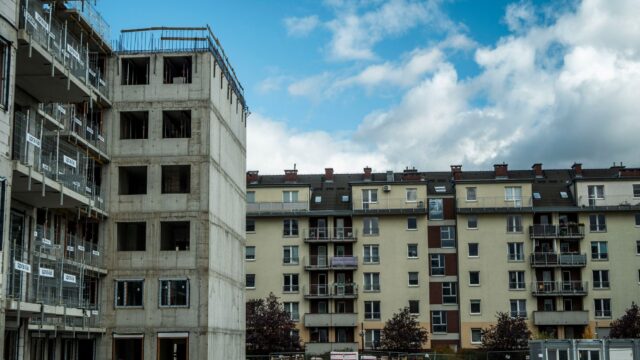
The occupation produced one concrete result. Mexico City expropriated Zacatecas 74 in 2021 after community members occupied Avenida México-Coyoacán around the clock for seven days. Housing is under construction there, and Valencia says residents have been told apartments could be ready by March.
She calls the prospect bittersweet. The proposed apartment, at roughly 41 or 42 square meters, does not amount to dignified housing in her view, and she says no one asked Indigenous peoples what they need. Margarito, now 24, says the children raised inside the struggle are what keeps the community going.
Source: Mexico News Daily