Energy Secretary Credits Dos Bocas Refinery for Curbing Inflation
Mexico's energy secretary told the Senate the Dos Bocas refinery helped contain inflation during the fuel crisis. Output, imports and gas flaring plans.
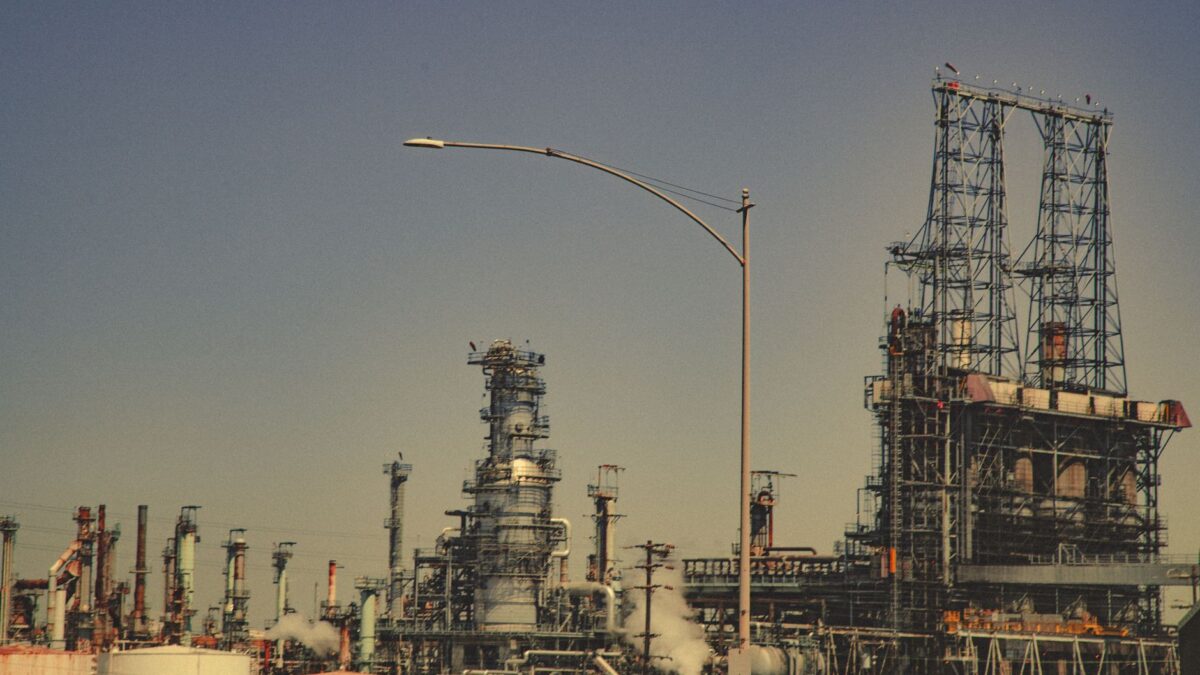
Mexico’s Energy Secretary, Luz Elena González, says the Olmeca refinery in Dos Bocas, Tabasco, helped keep inflation in check during the recent international fuel crisis. She made the case before the Senate, according to El Financiero.
The refinery raised domestic output of gasoline and diesel, which cut the country’s reliance on imported fuel, González said. The federal government also chose to protect household purchasing power, she added, and Petróleos Mexicanos (Pemex, the state oil company) did not use the jump in world fuel prices to raise its income.
Fuel prices held while other countries saw spikes
González told senators that energy prices in Mexico did not go up during the crisis, unlike in other countries where they rose sharply. In her view, that is why Mexican inflation did not climb as it did elsewhere. She credited Pemex and a refinery such as Dos Bocas, which she said is now producing more than 270 mil barrels a day (270 thousand). That makes it the plant with the highest processing volume in the Sistema Nacional de Refinación, the national refining system.
She acknowledged that Dos Bocas has had operating problems since it started up. In her words, such difficulties are normal when a refinery of that size begins work.
Refining output and imports
- Crude processing across the refineries reached 1 million 240 thousand barrels a day in October 2026.
- That figure is a monthly increase of 25 percent and the highest level since July 2013.
- El Financiero attributes the result to maintenance and modernization work at the Olmeca, Salina Cruz and Tula refineries, besides Dos Bocas.
- Pemex now imports only around 30 percent of the fuel it sells, according to González.
Plans to cut gas flaring
Pemex currently burns off roughly 800 million cubic feet of natural gas a day, the secretary said. The federal government wants to bring that practice close to zero.
The company is building infrastructure to capture gas that is now wasted at oil fields and to rely less on imports. The Ixachi field in Veracruz and the Bakté field in Tabasco account for about 500 million cubic feet a day of the gas being burned, and Pemex is building the links to feed it into the national gas pipeline system. The works are close to finished. According to González, they would put to use a volume equal to 62.5 percent of the gas Pemex currently flares.
Shale gas under study
González also said Pemex is studying whether it could extract natural gas from unconventional deposits in Coahuila, Nuevo León and Tamaulipas. She stressed that such projects are not part of the company’s strategic plan. She said the country shares the same basin and imports natural gas, which is why the idea is being explored.
A scientific committee recommended assessing whether brackish water exists at great depth, with no connection to shallow aquifers, to judge if the environmental conditions would allow possible extraction. Pemex has already drilled to evaluate groundwater quality, but no decision has been made to start commercial extraction.
What this means for residents
For people in Mexico City and elsewhere, the government’s account is that fuel prices stayed put while they climbed abroad. The figures she gave, on refining output and the share of imported fuel, come from the government’s own energy ministry (Sener) and were presented to the Senate. The gas projects remain at the construction and study stage.
Source: El Financiero