Mexico Repays Just 0.36% of Its Water Debt to the US as Dams Run Low
Mexico has delivered 3,159 of the 865,139 acre-feet of water it owes the US under the 1944 treaty. Border dams La Amistad and Falcon sit below 30%.
Mexico has paid back only 0.36% of the water it owes the United States under the 1944 Water Treaty, according to the U.S. section of the International Boundary and Water Commission (IBWC), the agency the two countries use to manage shared rivers. As of Oct. 24, Mexico had sent 3,159 acre-feet this year toward a shortfall of 865,139 acre-feet, Mexico News Daily reported.
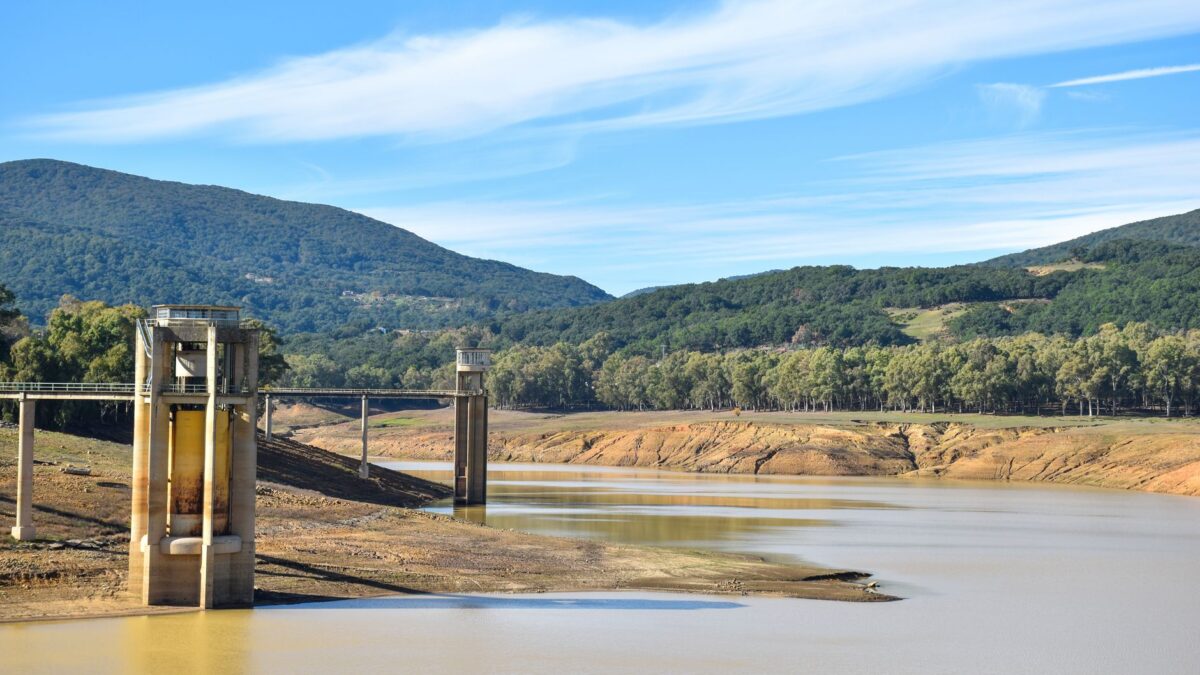
The slow repayment comes as the two border dams that store those deliveries, La Amistad and Falcon, hold less than 30% of their capacity.
How the debt built up
The treaty divides water from the Río Bravo, known in the U.S. as the Rio Grande. It requires Mexico to send at least 350,000 acre-feet north each year, counted in five-year cycles. An acre-foot is the volume of water that would cover one acre of land to a depth of one foot.
In the cycle that ran from Oct. 25, 2020 to Oct. 24, 2025, Mexico delivered 884,861 acre-feet. That left the 865,139 acre-feet deficit that is now being repaid.
Mexico has until 2030 to clear it. At the same time it must meet its regular obligation for the 2025-2030 cycle: 350,000 acre-feet a year, or 1,750,000 acre feet over the period.
An October deal has not sped things up
In October, Mexico and the United States signed a plan meant to make repayment easier, with both sides agreeing to draw less water from the Río Bravo. Deliveries have stayed slow since then, according to Mexico News Daily.
Border dams at 28% and 17%
Low reserves are a major reason Mexico is falling behind. Figures from the Mexican section of the IBWC show that as of Oct. 26, La Amistad, on the Río Bravo where Coahuila meets Texas, was at 28% of capacity. Falcon, on the border between Tamaulipas and Texas, stood at 17%.
Water Mexico sends under the treaty is stored in these two reservoirs, so their levels limit how much can be credited to the United States.
What it means for water on both sides of the border
Roberto Constantino, a researcher at the Metropolitan Autonomous University (UAM), told the newspaper El Economista that less water in the Río Bravo and Colorado River basins puts at risk both the binational agreements and supply for communities in Mexico and the United States.
Constantino said the 1944 treaty should be revised to match current environmental conditions. He added that tensions between the two governments and the trade agenda make this a poor moment to open those negotiations.
Mexico now has to cover the backlog and a full new cycle of deliveries at the same time, with both main border reservoirs below 30% of capacity.
Source: Mexico News Daily