Semovi Pauses Delivery Rider Rules After Santa Fe, Condesa Protests
Mexico City's Semovi has paused its pilot plan to treat app delivery motorcycles as cargo vehicles. What the rules proposed and why riders object.
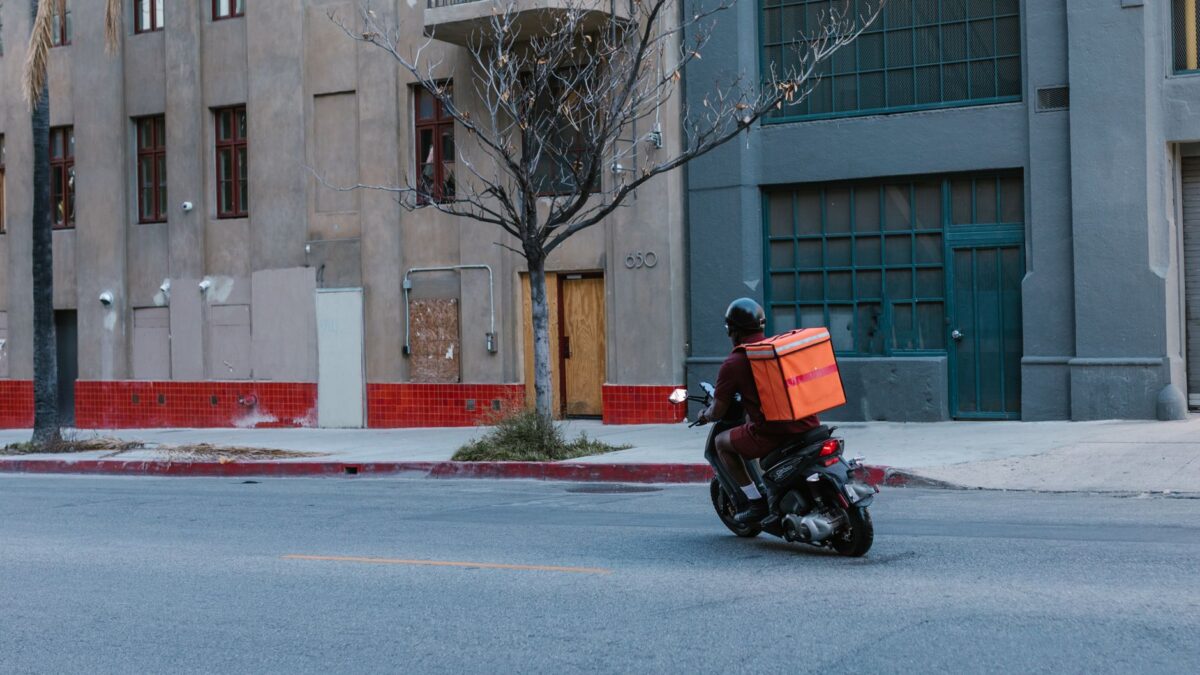
Mexico City’s mobility ministry, the Secretaría de Movilidad (Semovi), has temporarily suspended the pilot of a new regulatory scheme for app-based delivery riders, Meganoticias reported. The decision came after riders held marches and road blockades this week at busy points including Santa Fe and colonia Condesa.
Semovi has agreed to open talks with rider groups, among them Repartidores Unidos de México, to review the scope of the rules. The pilot had been expected to start late this year, with the scheme becoming mandatory in 2027.
How many riders the plan would cover
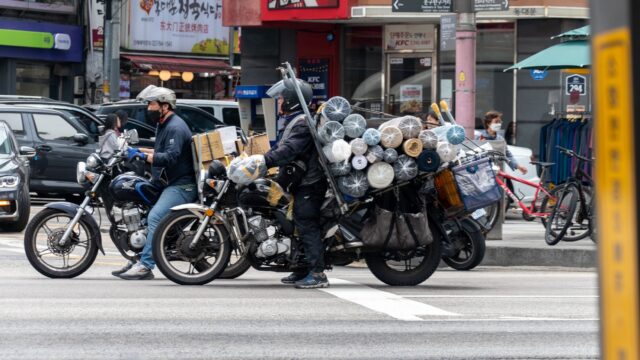
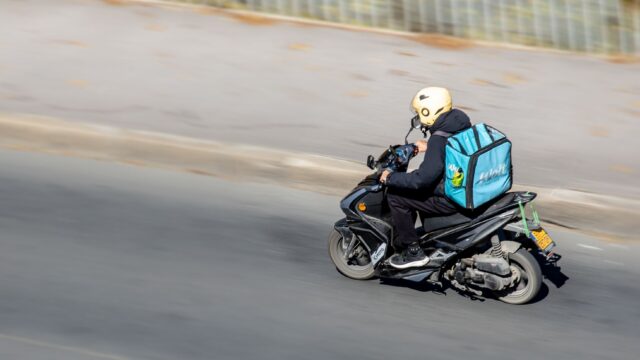
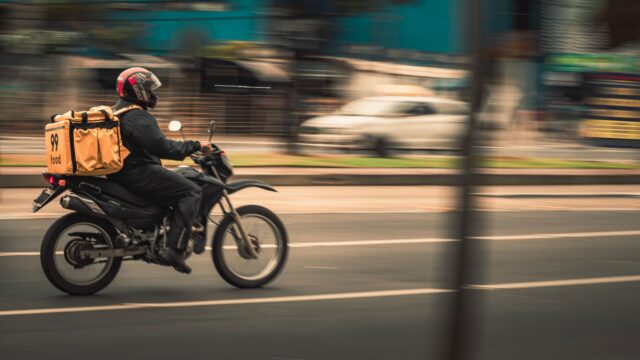
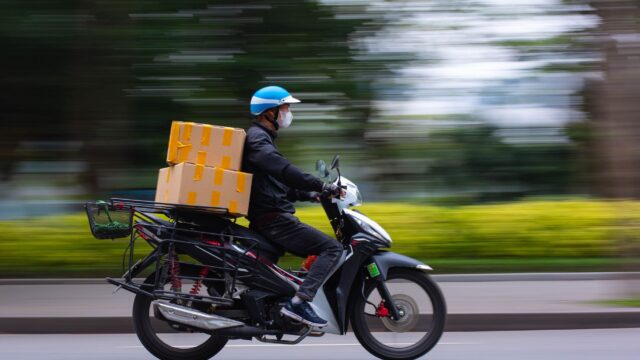
Mexico City has a very large motorcycle fleet. Estimates from trade groups and authorities put between 70% and 80% of them in food and parcel delivery through platforms such as Uber, DiDi and Rappi according to Meganoticias.
What Semovi proposed
The city wanted to reclassify motorcycle delivery as commercial cargo transport. The proposal had four parts:
- Commercial plates replacing private-use registration, so delivery bikes could be identified as service vehicles.
- A cargo license certifying riders as operators of light cargo.
- Mandatory defensive-driving courses meant to professionalize the work.
- Reserved parking spaces in parking-meter zones, at separate rates, so riders waiting for orders stop blocking sidewalks.
Why riders took to the streets
Protesters say the plan is mainly a way to raise money and would hit their incomes directly. They also argue that a new vehicle registry is unnecessary because the apps already track riders with geolocation and real-time identification.
Riders point out that they already pass strict checks to get on the road. Under current Semovi and Secretaría de Administración y Finanzas (the city finance ministry) fee schedules, a first motorcycle license requires a written and practical test certified under the CONOCER standard, which costs about 460 pesos. Applicants then pay three years of fees: 572 pesos for a Type A1 license, which covers motorcycles only, or a higher fee for a Type A2, which covers both motorcycles and cars. Riders pay these time-limited fees because the capital’s permanent license program excludes motorcyclists.
What it means for residents
For now, nothing changes for delivery riders or for people who order through the apps: the pilot is on hold and no new plates, licenses or courses are required. The blockades that disrupted traffic in Santa Fe and Condesa were tied to this plan, and Semovi has not said when the dialogue tables will meet or when, or whether, the pilot will restart.
The open questions are whether the 2027 target for mandatory rules survives the talks, and how the city would handle sidewalk parking by riders waiting for orders, one of the problems the parking-space measure was meant to address.
Source: MEGANOTICIAS