Cartels Fly Drones to Track Agents, Guide Migrants at Tijuana Border
Cartels fly drones over the Tijuana-San Diego border to track Border Patrol agents and steer migrants, a US Border Patrol spokesman told El Universal.
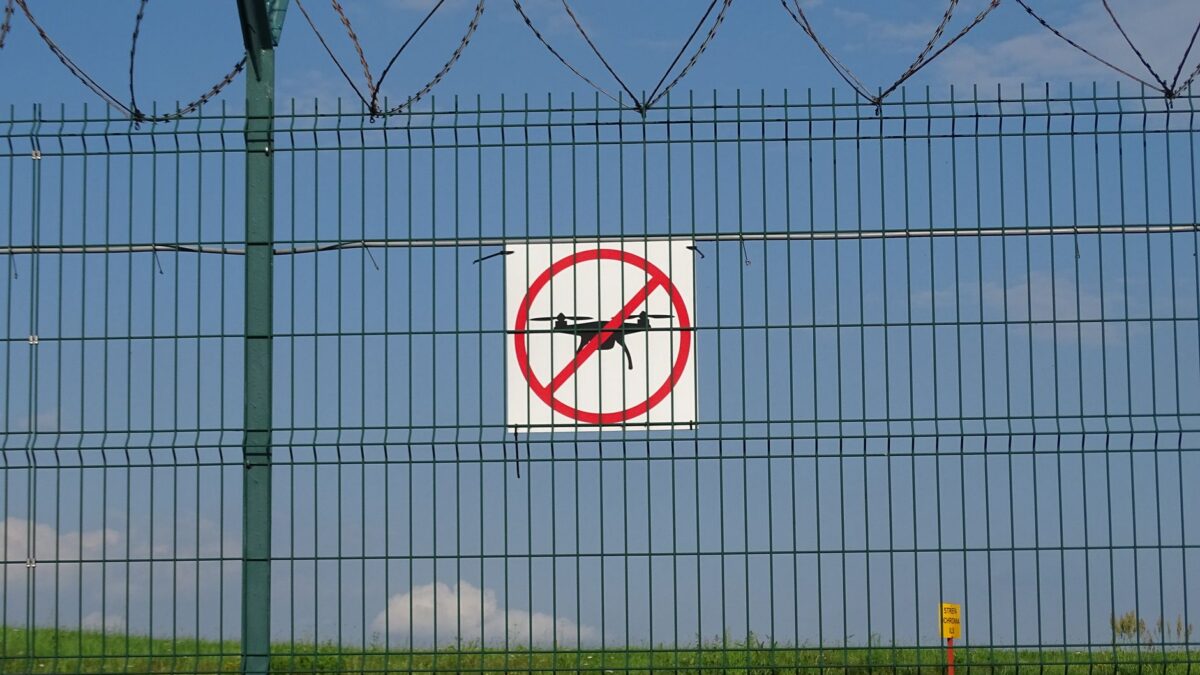
Criminal groups on the Mexican side of the Tijuana and San Diego border now fly drones mainly to spy on US agents and to steer migrants across, a spokesman for the US Border Patrol’s San Diego Sector told El Universal. He named the Sinaloa Cartel, the Jalisco New Generation Cartel (CJNG) and cells of the Arellano Félix organization.
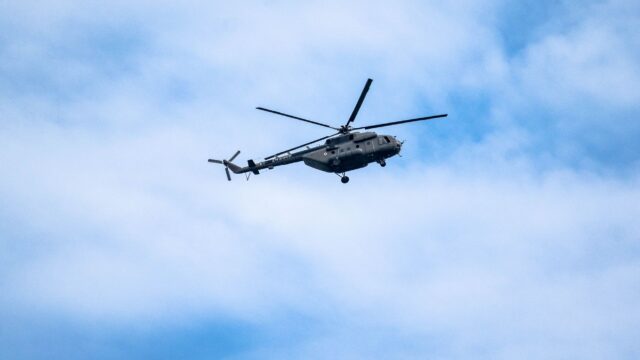
According to El Universal, the Joint Task Force for the southern border, part of US Northern Command, has neutralized more than 300 unmanned aircraft systems this year. The newspaper described the figure as a sign of an increasingly intense push by criminal groups.
How the drones are used
Gerardo Gutiérrez, the San Diego Sector spokesman, has been with the agency for almost 20 years. He said the drones track agents’ movements, when they arrive and leave, what they do, and even when they eat or use the bathroom. The goal, he said, is to find gaps where people can be moved across illegally.
Smugglers, known as polleros or coyotes, guide migrants with the drones and by phone, telling them which way to walk, where they will be picked up and when agents are nearby. Gutiérrez told the paper the cartels and other criminal groups now work together and use drones less for carrying drugs than for watching agents. He called it “a threat.”
El Universal reported that launches often come from the Nido de las Águilas and Las Torres neighborhoods of Tijuana.
From drug drops to surveillance
A few years ago, Gutiérrez said, the same groups used drones to carry small loads of drugs, such as one to two kilograms of cocaine, from Tijuana toward the San Ysidro shopping center. The drone would drop the package onto a car picked out in advance. The method often failed, and packages sometimes fell to the ground and were left behind.
He described how guidance has changed over time: migrants once followed a hired guide, then instructions by phone, then routes sent to smartphones, and now directions relayed from drones.
What it means for the border and for Mexico
Gutiérrez said the whole Mexican side of the border zone is controlled by cartels and coyotes. In response, the Border Patrol, which belongs to US Customs and Border Protection (CBP), and the US military have added high-resolution camera towers, radar, artificial intelligence systems and their own drones, along with stronger barriers. Border Patrol drone teams patrol day and night across urban, mountain and coastal terrain along the nearly 100 kilometers of border between Tijuana and San Diego, El Universal reported.
“The goal is for zero people to cross illegally,” Gutiérrez said. He put the current average at 60 people a day across the sector’s 60 miles, which he called a very low number. Most cross around dusk so they can move at night, which he said is more dangerous.
Tighter walls on land have pushed more smuggling to the sea, according to the spokesman. Near the Tijuana beaches, smugglers use jet skis and speedboats to drop migrants on the San Diego coast. He said migrants pay coyotes between 18 thousand and 20 thousand dollars for these trips, and many have died making them.
What happens next
The San Diego Sector plans to grow its agent force in the coming years in response to the drone threat, according to El Universal. Gutiérrez said the agency cannot handle the sea route alone and depends on federal, state and local agencies, as well as international partners including the government of Mexico.
Source: El Universal