Dark Lines on Popocatépetl’s South Slope Are Meltwater, Not Cracks
The dark streaks on Popocatépetl's south face come from ash, snow and meltwater, not cracks. What caused them and what reports say about the volcano.
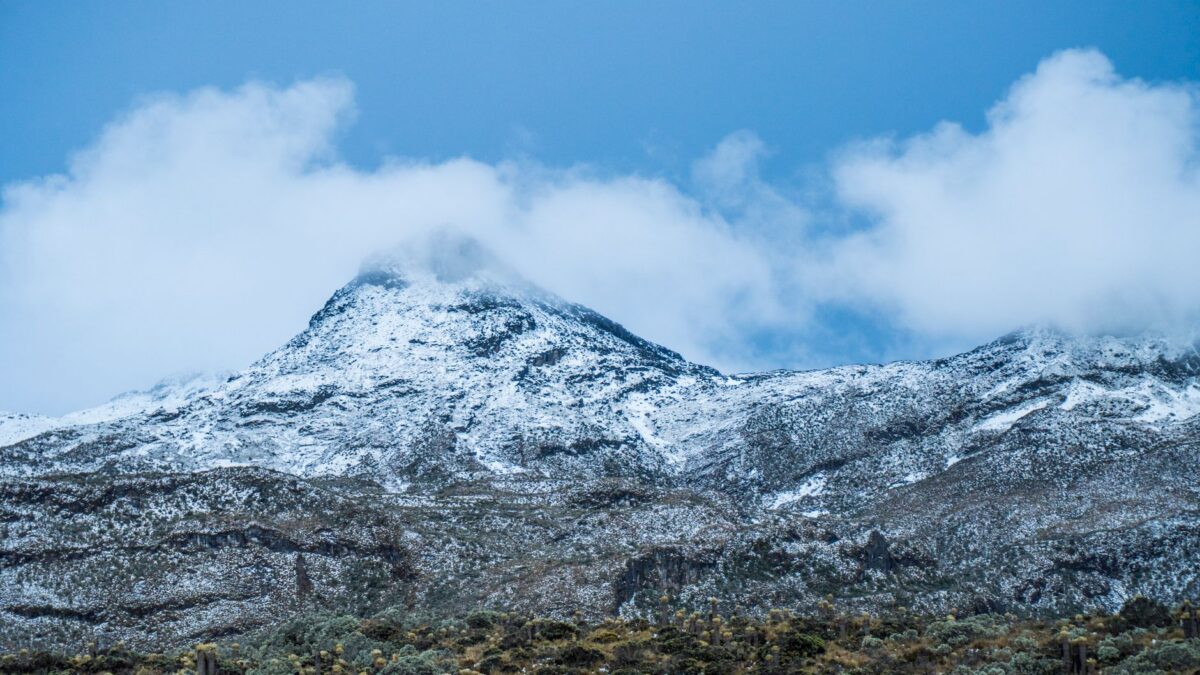
The strange dark lines that people living near Popocatépetl have noticed on the volcano’s southern side in recent days are not cracks in the mountain, according to reports published Nov. 16 by the Puebla outlets InformaOriente and Noventa Grados. The marks are small channels left by melting snow and by wind moving fresh ash across the slope.
No signs of deformation that would point to the volcano opening up or crumbling have been reported so far, the outlets said.
What are the dark lines on Popocatépetl?
The lines sit on the volcano’s south slope. Their appearance had raised questions among nearby residents about whether the mountain was cracking or had suffered some damage to its structure.
According to the explanation the outlets cite, the marks are narrow paths cut by water from melting snow, combined with the movement of ash on the surface.
How did the marks form?
The reports describe a chain of natural events.
- Between Nov. 6 and Nov. 11, Popocatépetl released several emissions of gas and ash, some lasting several hours. Part of that material settled on the volcano’s slopes and left a fresh layer of ash on the highest areas.
- Cold front No. 5 then passed through and brought conditions for snowfall on the high parts of the Sierra Nevada, Popocatépetl included.
- When sunny days returned, the snow began to melt unevenly.
- Strong winds shifted the ash that had built up, which uncovered the lines now visible on the south side.
Low temperatures, ashfall and snowmelt all played a part, according to the outlets. The pattern is the result of those surface processes, with no break in the rock underneath.
Is the volcano breaking apart?
No, according to both reports. The marks do not mean the volcano is splitting, and they do not represent cracks in its structure. The outlets also say no signals of deformation in the volcanic edifice, the cone itself, have been reported that would suggest it is opening or falling apart.
What does this mean for people who live near the volcano or travel to the area?
For residents who saw the streaks and worried about the mountain’s stability, the explanation is that the view comes from the weather and from the recent ash. The same ash emissions of Nov. 6 to Nov. 11 that dusted the upper slopes are what made the meltwater channels visible once the snow started to go.
InformaOriente and Noventa Grados, both based in Puebla, carried the same explanation in their Nov. 16 reports.
Why did the snow melt unevenly?
The outlets link the uneven melt to the return of sunny days after the cold front. Snow that fell on top of a fresh ash layer did not disappear at the same pace across the slope, and the wind moved loose ash around at the same time. Where water ran downhill, it left thin dark tracks behind it.
Sources: InformaOriente, Noventa Grados