Hoy No Circula Proposal Would End Exento Hologram for Hybrids
A proposal under review would end the Hoy No Circula Exento hologram for hybrids and add stricter emissions tests. Current rules stay in force for now.
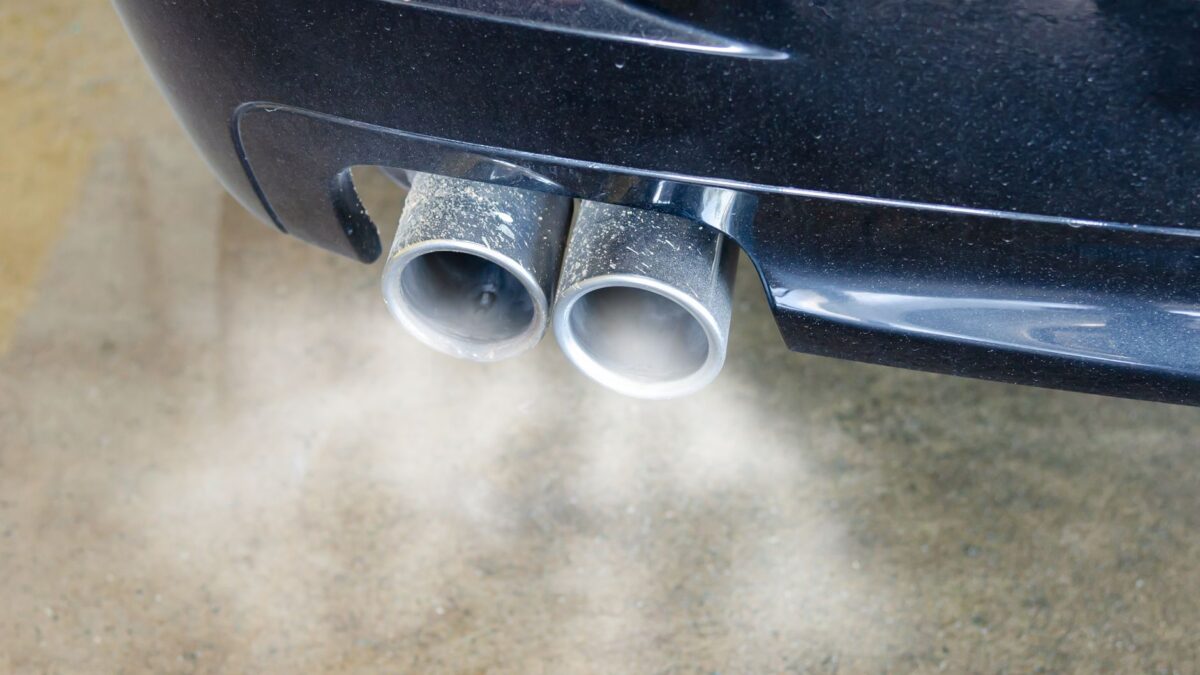
A proposal to rework Hoy No Circula (the program that keeps cars off the road on certain days to cut pollution) would end the Exento hologram for any car that still burns gasoline, hybrids included, according to Xataka México. Only zero-emission vehicles would keep it.
The draft is now with the Megalopolis Environmental Commission (CAMe), and the proposed start is the first half of 2027. Until final rules are published, verification works as it always has.
What the proposal would change
The text was put together by the organization Iniciativa Climática de México (ICM). Under it, passing the test at a verificentro (emissions testing center) would no longer be an automatic ticket to free circulation. The new test would measure real fuel consumption, check evaporative emissions (gases that leak from the tank and fuel lines even with the engine off) and look at how well anti-pollution components hold up over time.
Owners of hybrids who believed they were permanently excused from the calendar would have to follow it, since Exento would be reserved for zero-emission vehicles. The Cero and Doble Cero holograms would also lose the tolerance they enjoy today. Whether a car can circulate daily would depend on the condition of its catalytic converter (the part that cleans exhaust gases) and its vapor system, and no longer only on the model year printed on the circulation card or on what the onboard computer reports. A car that cannot contain its gases would stay parked on the days that apply to it.
The gap in the current rules
Xataka describes a flaw in the existing setup: in the Valley of Mexico, a recent model keeps its daily-circulation hologram even when its catalytic converter works poorly, so a newer car stuck in traffic can pollute more than a decade-old one with an efficient converter.
The scale is large. According to the proposal’s figures, about 6.5 million cars up to 20 years old run in the Mexico City metropolitan area, and roughly 300,000 vehicles are added every year. Xataka adds that ozone readings in the basin show air quality getting worse each season.
What this means for drivers
For now, nothing changes at the verification centers. The government says the project is only under review, and until CAMe publishes definitive rules in the official gazettes, the process keeps its current costs, calendars and format. No verification center is allowed to alter today’s measurements or deny a hologram on the basis of this proposal.
If the text passes unchanged, Xataka reports, buying a new car in the capital would no longer exempt it from environmental contingency restrictions. Hybrid owners and drivers of recent models would be the ones who lose the most under the proposed criteria, because both groups benefit today from rules that rely on vehicle age and type rather than measured performance.
What happens next
CAMe brings together the environmental authorities of Mexico City and the State of Mexico. At that table they will weigh whether the idea is technically workable, what it would cost motorists and what equipment and infrastructure the inspection centers would need to run the new tests.
The proposal’s calendar calls for applying the new rules in both jurisdictions in the first half of 2027. Whether the draft survives review in its current form has not been announced.
Source: xataka.com.mx