Mexico City Logs 46 Public Protests and 19 Talks on Nov. 9
Mexico City officials handled 46 public expressions and 19 dialogue tables on Nov. 9, with the SSC counting 12 mobilizations. See who marched and why.
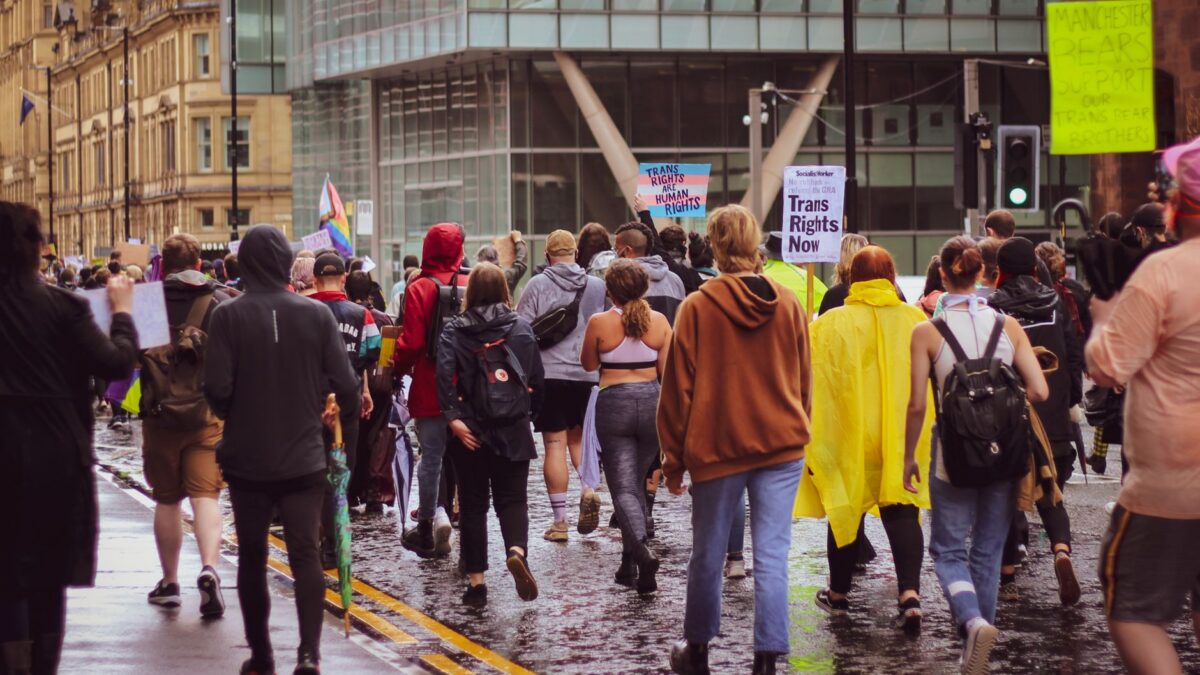
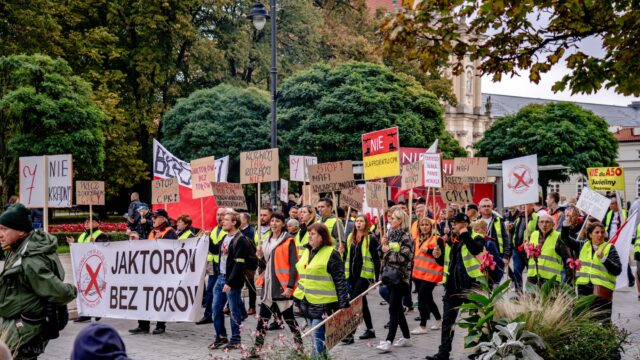
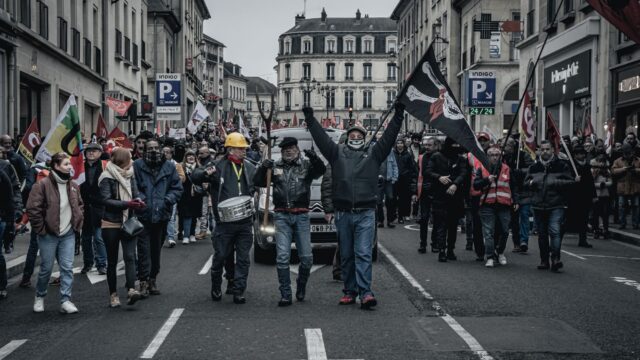
Mexico City’s government dealt with 46 public expressions and 19 negotiation tables on Monday, Nov. 9, according to the Subsecretaría de Concertación Política, Prevención y Buen Gobierno (the city’s undersecretariat for political dialogue and prevention). The office reported the figures on its account on the social network X, as El Universal relayed.
The Secretaría de Seguridad Ciudadana (SSC, Mexico City’s public security ministry) had planned for 2 marches and 10 demonstrations that day. The headline count of 12 mobilizations in El Universal’s report matches that total.
Who protested on Nov. 9
The groups came from very different causes. Several of the demonstrations took place at federal buildings or in the Zócalo, the main square in the historic center.
- Relatives of a two-year-old girl marched to the Fiscalía de Investigación Territorial (the territorial prosecutor’s office) in Cuajimalpa. They demand justice over alleged physical abuse of the child at a daycare called “Sunny Hill” in that borough.
- Workers of the IMSS (Mexico’s social security institute) marched to the Zócalo and asked for the resignation of the union’s national leader, whom they accuse of breaking labor law and the union’s own statutes. A separate group of IMSS workers protested what they described as repression and authoritarianism inside the institution and the union.
- Parents of students at Secundaria Técnica No. 12 asked education authorities to remove worn-out school furniture and to stop the benches from being moved to the schoolyard.
- The Movimiento de Unificación y Lucha Triqui met at the Secretaría de Gobernación (the federal interior ministry) to ask for an investigation into the deaths of two Triqui Indigenous women from San Juan Copala, Oaxaca.
- The union of UNAM workers went to the Cámara de Diputados (the lower house of Congress) to request more budget for public universities.
- Staff of the Refugio Franciscano, an animal shelter, protested a court inspection requested by the Fundación Antonio Haghenbeck y de la Lama at the property where the shelter’s dogs are kept.
- Students of Escuela Nacional Preparatoria No. 9 set up a “Tendedero de Denuncias,” a clothesline display of complaints, to call out alleged abuse, harassment and other irregularities attributed to teachers and staff.
- Residents of municipalities in Guerrero gathered in the Zócalo and asked the federal presidency to step in so the state government repairs 170 kilometers of the Tlapa-Metlatónoc state highway.
- The group Luciérnagas Buscadoras (a search collective for missing people) met at the Ermita and Chabacano Metro stations before traveling to a wooded area in Huitzilac, Morelos, to look for missing persons.
The delivery rider licence dispute
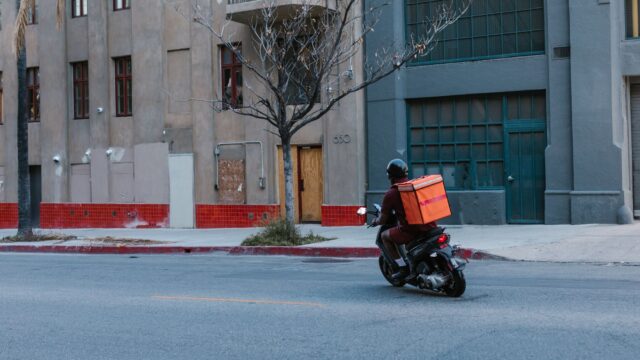
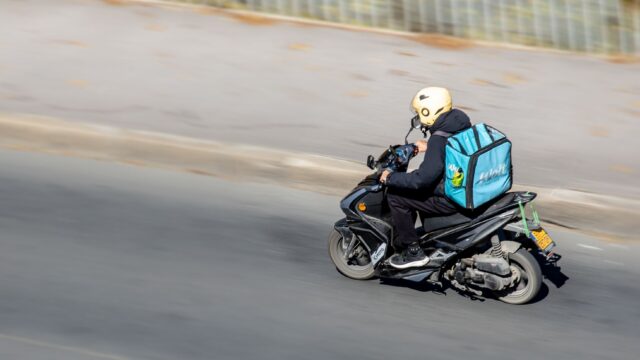
Two of the groups focused on one city policy. Plataformas Unidas del Poniente and the Consejo Nacional Motociclista both objected to a proposal from the Secretaría de Movilidad (Semovi, the city’s mobility ministry). Under it, motorcyclists who make deliveries through digital platforms would need a special license and commercial plates.
The reports describe the measure as a proposal. Neither the groups’ specific objections nor any implementation date were detailed in the coverage.
Why it matters for residents
A day with 12 planned mobilizations means that several points in the center and in Cuajimalpa had demonstrations at the same time. Marches to the Zócalo and meetings near government offices are a regular feature of the city’s weekday traffic and can affect streets around the square.
The Monday report also shows what the city government counts as dialogue work. The 19 negotiation tables are meetings between officials and protest groups, separate from the 46 public expressions that the undersecretariat attended to.
For people who ride motorcycles for delivery apps or order from them, the Semovi proposal is the item most likely to lead to a rule change. It remains a proposal in the sources, with no start date given.
Source: El Universal