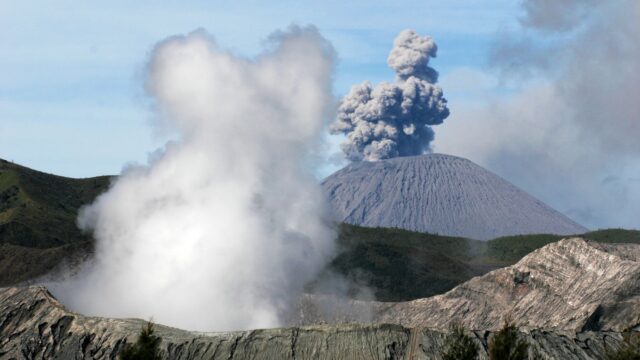
Popocatépetl Ash Warning Issued for Edomex, Puebla and Hidalgo
Authorities warn of possible ash fall from Popocatépetl across central Mexico as the volcano alert stays at Yellow Phase 2. Southern CDMX is under watch.
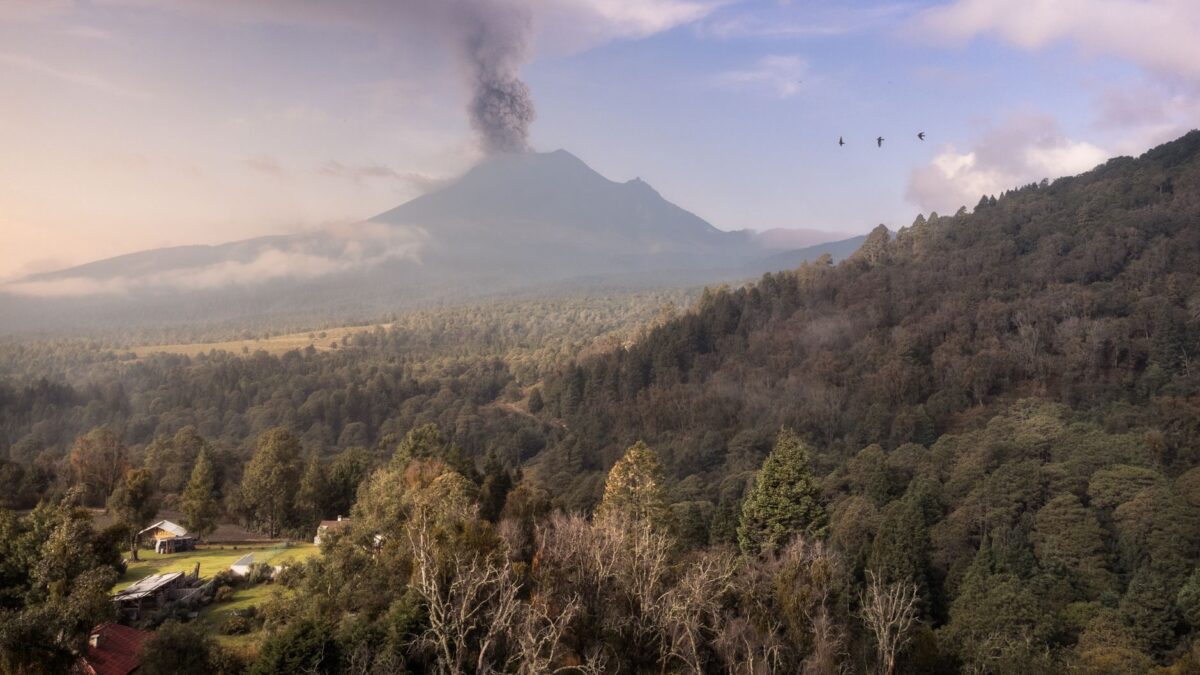
Authorities issued a special notice on Nov. 10 about possible ash fall from the Popocatépetl volcano in Puebla, Tlaxcala, the State of Mexico (Edomex), Hidalgo and Veracruz, depending on which way the wind pushes any new emissions. The volcanic alert level remains at Yellow Phase 2, according to the reports.
Monitoring also covers a possible secondary spread toward the west-northwest, which keeps some areas in the south of Mexico City under observation, according to the Énfasis report.
What the monitoring shows
The National Center for Disaster Prevention (CENAPRED) reported, in a bulletin cut off at 8 a.m. on Nov. 10, 94 exhalations and 94 minutes of high-frequency tremor, according to Quadratín Estado de México. An earlier CENAPRED report, cut off at 11 a.m. on Nov. 9, counted 111 low-intensity exhalations and 95 minutes of low-amplitude harmonic tremor, according to aztecamichoacan. That outlet also said ash emissions on Monday afternoon produced a column of about a kilometer above the crater.
The Yellow Phase 2 level of the Volcanic Alert Traffic Light stays in place. Authorities repeated that nobody should enter the 12-kilometer exclusion radius around the crater.
Where the ash could go
Reports differ on direction. The National Meteorological Service (SMN) forecast, as relayed by Énfasis and aztecamichoacan, points to the north and northeast, with some chance of a shift toward the north-northeast. Quadratín instead described a plume heading northwest toward the Valley of Mexico basin and reported that CENAPRED confirmed a trajectory toward the Edomex municipalities of Amecameca, Atlautla, Ecatzingo, Ozumba, Tepetlixpa, Tlalmanalco, Chalco and Ixtapaluca.
Aztecamichoacan lists the southeast, east and northeast of Edomex and Hidalgo, plus parts of Puebla near the volcano and points in Tlaxcala. It cautions that ash will not necessarily fall in every one of those states, since wind direction and strength decide the spread. Aztecamichoacan names four states and Énfasis names five, with Veracruz added in the second list.
What this means for residents
For people in the towns around the volcano, the practical effects are the ones civil protection agencies describe: ash that can irritate eyes and airways, contaminate water tanks and clog drains. Quadratín reports that specialists note volcanic ash contains rock and glass fragments that can be highly abrasive to the airways.
The Edomex civil protection coordination (Coordinación General de Protección Civil del Estado de México) and the other agencies cited in the reports recommend the following:
- Cover nose and mouth with a face mask or damp cloth, and protect the eyes. Énfasis adds that contact lenses should be avoided.
- Cover water tanks, cisterns and containers of water and food.
- Close doors and windows, and avoid outdoor activity while ash is falling. Quadratín adds that damp cloths can seal gaps.
- Sweep ash up dry and put it in bags. Do not wash it down the drain or use water to remove it, because it can settle into sediment and block pipes.
Rain and mudflow risk on the slopes
Quadratín reports that officials are watching for landslides and mud flows on the mountain’s slopes, especially in ravines in Atlautla and Ecatzingo, if rain falls over the highland region. Edomex authorities told communities in low-lying areas to stay away from the bottom of ravines and natural channels. Ash that builds up and then gets wet can form lahars, which are fast-moving avalanches of debris.
What officials are watching next
Edomex civil protection said its hotlines and official channels remain open. Evacuation protocols and temporary shelters in nearby municipalities have been reviewed and are ready if the volcanic traffic light changes phase. Residents are asked to follow official reports from civil protection and the SMN for any change in activity or alert level.
Sources: Quadratín Estado de México, Énfasis, aztecamichoacan