Estadio Azteca Mexico City: History, Capacity and Matches
Estadio Azteca in Mexico City holds 87,523 fans and hosted World Cup finals in 1970 and 1986. History, records, tenants and how to get there.
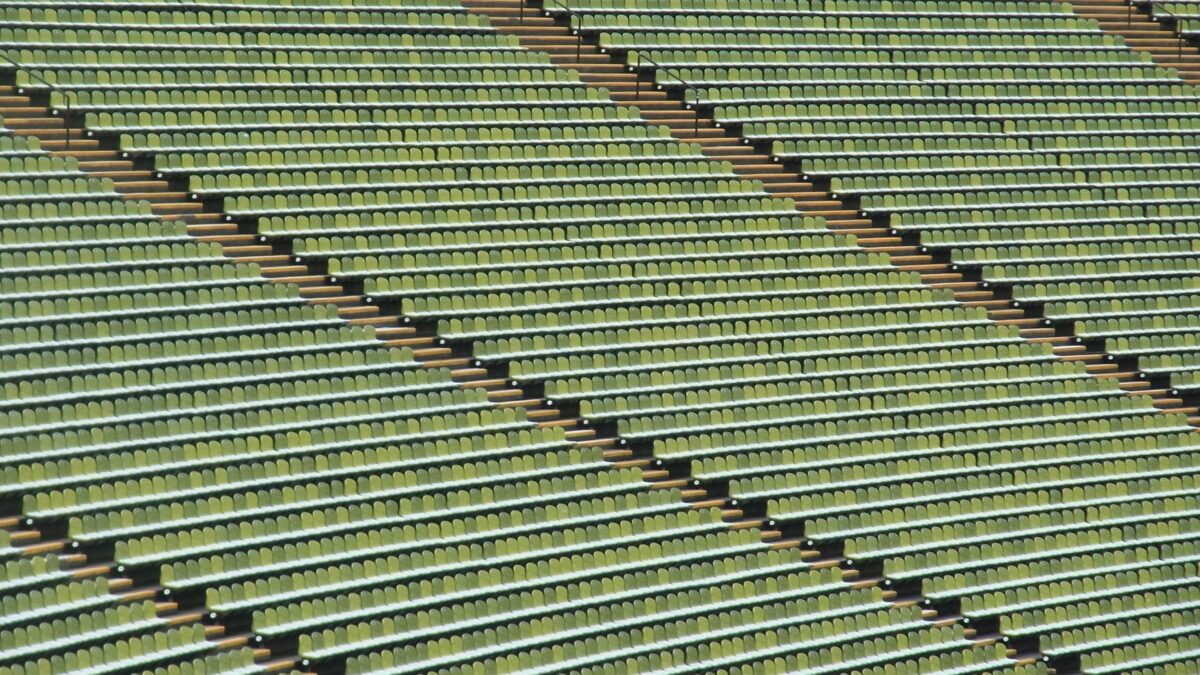
Estadio Azteca is a football stadium in Coyoacán, Mexico City, with a capacity of 87,523. It opened on May 29, 1966, and it is the home of Club América and the Mexico national team. It was the first stadium to host two World Cup finals, in 1970 and 1986, and in 2026 it became the only one to host three editions of the tournament.
Visitors know it as El Coloso de Santa Úrsula, and its nicknames include the “Temple of Football”. The details below come from the Wikipedia entry on Estadio Azteca. Because the stadium has changed its name and its layout more than once, check match dates, entry rules and tickets on the stadium’s own website before you plan a visit.
What is Estadio Azteca and where is it?
The stadium stands on Calzada de Tlalpan in Coyoacán, in the south of Mexico City, at an elevation of 2,241 meters above sea level. Televisa owns it and Ollamani, S.A.B. operates it. For sponsorship reasons its official name is Estadio Banorte. During the 2026 FIFA World Cup it was called Estadio Ciudad de México, and at other times it was Estadio Guillermo Cañedo (1997 and 1998).
The pitch is GrassMaster turf, 105 meters long and 68 meters wide. The building has 856 executive suites. It is the largest stadium in Latin America and the eighth-largest association football stadium in the world.
How did the stadium come about?
Plans for a major sports venue took shape under President Adolfo López Mateos. Mexico was awarded the 1968 Summer Olympics in 1963, and the football final was played at Azteca. Architects Pedro Ramírez Vázquez and Rafael Mijares Alcérreca designed it. Work began in 1961 and the building cost 260 million pesos.
The first match, on May 29, 1966, was Club América against Torino F.C. It ended 2-2, with goals by two Brazilian players, Arlindo Dos Santos and José Alves. President Gustavo Díaz Ordaz took the ceremonial first kick, and the stadium then held 107,494 spectators. The floodlights were inaugurated on June 5, 1966, when Valencia C.F. beat Necaxa 3-1 in the first night game.
Which major matches were played here?
Azteca staged both the 1970 and 1986 World Cup finals. Brazil beat Italy 4-1 in 1970 with Pelé on the team, and Argentina beat West Germany 3-2 in 1986 with Diego Maradona. The 1986 quarter-final between Argentina and England is the match in which Maradona scored the “Hand of God” goal and what is known as the “Goal of the Century”.
In the 1970 semifinal called the “Game of the Century”, Italy defeated West Germany 4-3 after extra time. The stadium was also the main venue for the football tournament at the 1968 Olympics and hosted the 1971 Women’s World Cup. For 2026 it staged the opening game, South Africa against Mexico. The NFL also plays one game a season at the stadium as part of its International Series.
How many people does it hold, and what are the records?
Capacity has changed with each renovation:
- 107,494 spectators at the 1966 opening
- 107,247 for the 1970 World Cup
- 114,600 for the 1986 World Cup
- 87,523 today
- 80,824 for the 2026 World Cup
The football attendance record is 119,853, set when Mexico played Brazil on July 7, 1968. The boxing record is 132,247, for Julio César Chávez against Greg Haugen on Feb. 20, 1993.
Who plays at Estadio Azteca?
Club América has played there since 1966, and the Mexico national team has used it since the same year. Cruz Azul used it from 1971 to 1996, again from 2018 to 2023, and from 2026. Atlante is listed as a tenant from 2026, and Necaxa, Atlético Español and earlier spells of Atlante appear in the stadium’s history.
Concerts have also drawn crowds. Michael Jackson played five sold-out shows in 1993, and U2, Paul McCartney, Luis Miguel and Elton John have performed there. Pope John Paul II appeared at the stadium in 1999.
What renovations has it had?
The stadium was renovated in 1986, 1999, 2013 and 2016, and again from 2024 to 2026. In May 2015, Panasonic LED panels replaced the phosphorus panels installed in 1998. A larger plan unveiled in February 2015 aimed to finish around the stadium’s 50th anniversary. It included a commercial hub called Foro Azteca with a mall, offices and two hotels, and the hub was abandoned. The work that went ahead rebuilt a hospitality area on the lower east stand and added media boxes and private skyboxes in the upper west stand, finishing in November 2016.
How do I get to Estadio Azteca?
The Estadio Azteca light rail station and the CETRAM Huipulco transit hub serve the stadium. The address is Calzada de Tlalpan, Coyoacán. Opening times for tours or museum visits are not given in the source, so confirm them on the official site, estadiobanorte.com.mx.
If you are planning a longer day in the city, six museums for history and archaeology lovers and the Cuicuilco archaeological site are covered in separate guides.
Quick answers
Is Estadio Azteca the biggest stadium in Latin America?
Yes, with a capacity of 87,523 it is the largest in Latin America.
Did Estadio Azteca host the 2026 World Cup opener?
Yes. South Africa played Mexico there in the opening game, which made Azteca the only stadium to host three World Cup editions.
Which football clubs call it home?
Club América is the main tenant, and Cruz Azul and Atlante are listed as tenants from 2026.
Checked against official sources in November 2026. Hours, prices and rules change: confirm on the official page before you go or apply.