Markets in Mexico City: San Juan, Sonora, Medellín and Coyoacán
Mexico City markets to visit: San Juan for gourmet food, Sonora for herbs and folk magic, Medellín for Latin American groceries, Coyoacán for tostadas.
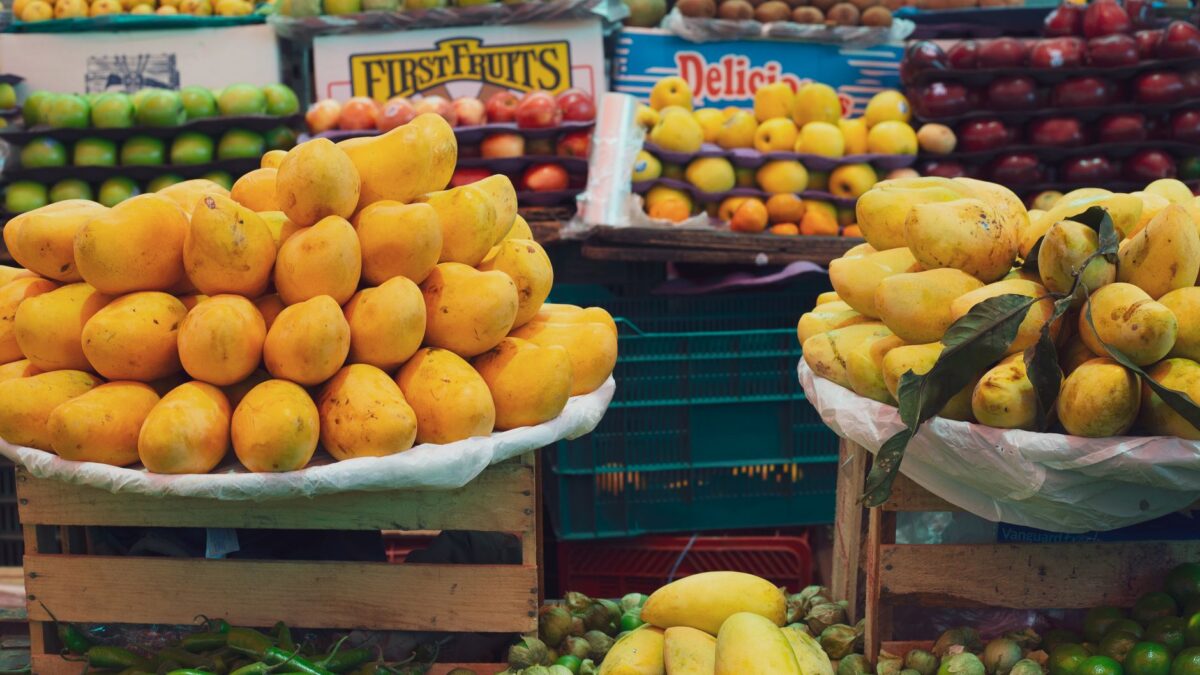
Four public markets give visitors very different sides of Mexico City: Mercado de San Juan for imported cheeses, cured meats and top-quality produce, Mercado de Sonora for medicinal herbs and folk-magic goods, Mercado Medellín for food from across Latin America, and Mercado de Coyoacán for tostadas and handicrafts. Two are in or near the historic center, one is in Roma Sur and one sits in the old center of Coyoacán.
The city’s official tourism pages list no opening hours for any of the four, so plan a daytime visit and check locally before a special trip.
Mercado de San Juan, Centro
The official name is Mercado Ernesto Pugibet, after the street it stands on, and the building can be hard to find. It went up on the grounds of the old El Buen Tono cigarette factory, on a site the factory once used as a warehouse. The market began as a temporary home for vendors who lost their places when the city reorganized its markets in 1933. Its name comes from San Juan Moyotlan, the Christianized name of the area. According to the Mexico City tourism page for Mercado de San Juan, Moyotlan was the oldest neighborhood of Tenochtitlan, and the Nahuatl name meant “neighborhood of mosquitoes.” The Buen Tono church on Plaza San Juan, around the corner, is the last piece of the factory still standing.
San Juan is known for “gourmet” food, which in Mexico usually means imported and European products: canned and preserved goods, cheeses and deli-style meats. The butchers and fishmongers have long-standing relationships with their customers, and many of the city’s high-end restaurant owners shop here. Produce comes from other Mexican states and from Europe, Asia and the Americas. The fruit and vegetable stalls tend to look cleaner and brighter than in similar markets, which makes them popular with photographers, and vendors often hand out samples.
Lunch here is mostly baguettes, with little Mexican food on offer. Some baguette counters pour a small glass of wine, and a common dessert is Italian mascarpone on toast with rose-petal jam. A second market with a similar name, Mercado de San Juan Arcos de Belén, is a very different place, so check which one you are heading to.
Where: on calle Ernesto Pugibet, by Plaza San Juan. When to go: weekends can be very busy with visitors from abroad and from other cities.
Mercado de Sonora, La Merced
Mercado de Sonora sits southeast of the Centro Histórico in the Merced district, in a building that opened in the 1950s, when the city was putting up many public markets. The city’s page on Mercado de Sonora calls it one of the easiest markets to get in and out of in La Merced and says international visitors come in growing numbers.
The market has long sold pottery, party decorations and live animals, but its fame rests on herbs and on goods for magic and the occult, including items for the cult of Santa Muerte and devotion to San Judas Tadeo. Traders are grouped by what they sell. You can find cactus and fresh corn from Milpa Alta, pots and soil from Xochimilco, and medicinal herbs from Puebla, Morelos and the Estado de México. The herb and magic stalls are mostly at the back of the market’s longest hall.
Vendors sell avocado leaves for inflammation, jacaranda flowers for the stomach, ocote wood crosses for luck and garlic chains against the evil eye. Dried snakes and dried skunks are sold as folk remedies too. The same page says about 2,000 practitioners come to the market each weekend for these purposes. Sonora is also a good stop for Day of the Dead goods: the first alebrije figures were made here, and the Linares family, known worldwide for their alebrijes, still runs a workshop outside the market. Judas figures, made to be burned, are sold in large numbers.
Where: in La Merced, southeast of the Centro Histórico. When to go: weekends draw the largest crowds of practitioners.
Mercado Medellín, Roma Sur
Officially called Mercado Melchor Ocampo, this Roma Sur market takes its everyday name from the street it is on. The city’s Mercado Medellín page describes it as a classic neighborhood market and says it became known for Cuban, Colombian, Peruvian and Venezuelan vendors who settled there after the 1985 earthquake, which devastated much of the area. The same page cites INEGI, Mexico’s statistics institute, for 2010 data showing Colombians as the fourth-largest immigrant group in Mexico.
More than 500 independent vendors work here, and the market spills into the surrounding streets. Shoppers come for yuca, arepas, ice cream, malta drinks, beers such as Bucanero and Cristal, and tamales. Juan Valdez and Sello Rojo coffee sell well. Venezuelan traders are a growing presence and are best known for Santa Teresa rum. Among the market restaurants, La Morenita de Medellín specializes in seafood, from scallops and seafood cocktails to red snapper Veracruz style and Spanish paella.
Where: on calle Medellín in Roma Sur. Good for: ingredients from other Latin American countries that are hard to find elsewhere in the city.
Mercado de Coyoacán, Coyoacán
The city tourism page for Mercado de Coyoacán calls it one of the most popular stops in Coyoacán. It is a short walk from the Frida Kahlo and León Trotsky museums, and many people come straight from a museum visit. The cobbled streets leading to it are part of the appeal.
Tostadas are probably the best-selling thing to eat on the spot. Seafood is one option, and the stalls also pile on mushrooms, tinga, pata (beef or pork trotters) or vegetables, with salsa on top. Past the food stalls, independent vendors sell crafts ranging from calaveras and skeleton figures to needlework.
Where: in central Coyoacán, near the Frida Kahlo and León Trotsky museums. When to go: weekends, when the center of Coyoacán fills with strollers, are the busiest time.
Tips for visiting
- Pair markets by area: San Juan and Sonora are both close to the historic center, while Coyoacán fits with a museum day in the south of the city.
- Expect crowds on weekends at all four markets, and go on a weekday if you want room to look around.
- At San Juan, the fruit and vegetable stalls are the best spot for photos; ask the vendor first.
- Sonora sells live animals and products for religious practice, so be respectful when taking pictures.
- If you want to bring crafts home, read our notes on what to buy in Mexico City and customs limits.
Quick answers
Which Mexico City market is best for food?
For imported cheeses, deli meats and polished produce, go to Mercado de San Juan. For Latin American groceries, Mercado Medellín is the place, and for a sit-down tostada, Mercado de Coyoacán.
Is Mercado de Sonora worth visiting for tourists?
Yes, if you are curious about traditional herbal medicine, folk magic and Day of the Dead goods. The city’s tourism page says international visitors come in growing numbers.
Are these markets good for everyday grocery shopping?
Medellín works well as a neighborhood market for residents of Roma. For a comparison with chains and warehouse clubs, see our guide to supermarkets and markets in Mexico City.
Checked against official sources in November 2026. Hours, prices and rules change: confirm on the official page before you go or apply.