Historic Palaces in Mexico City: Hours, Tickets and Visit Tips
Historic palaces in Mexico City include Palacio de Iturbide, Palacio de Minería, San Ildefonso, Casa de los Azulejos and the National Palace.
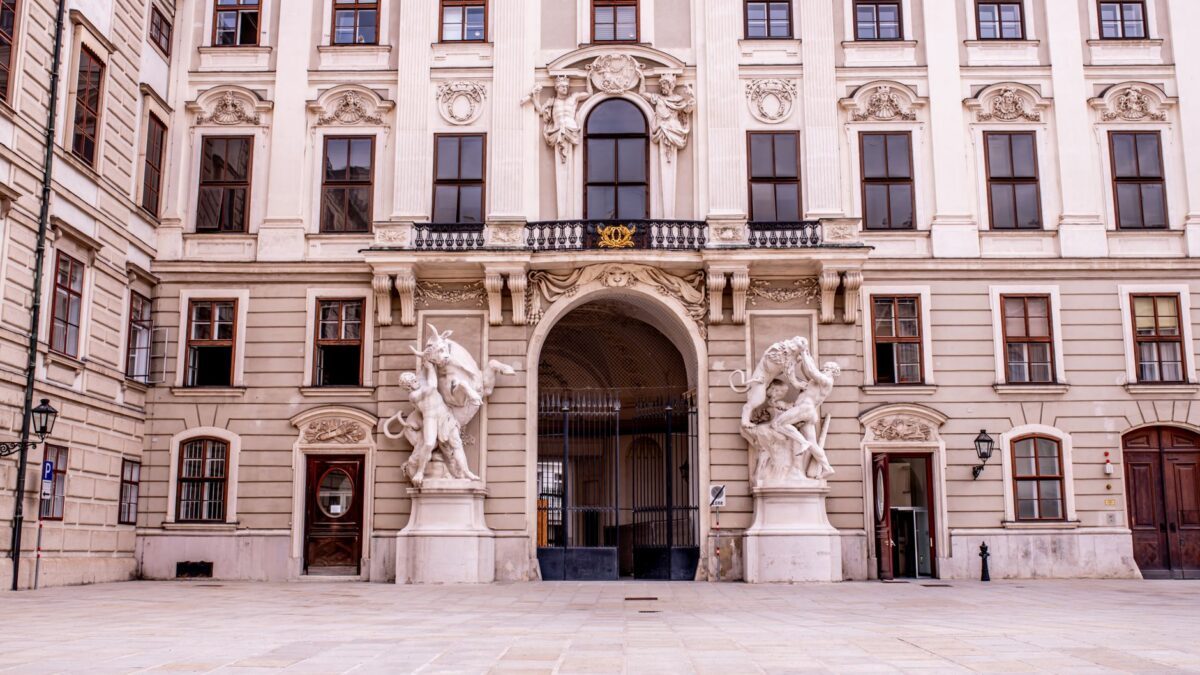
Mexico City’s historic center holds several former mansions, schools and government seats that can be visited on foot in a single area. Palacio de Iturbide and Palacio de Minería are open as cultural venues, Colegio de San Ildefonso is a museum, Casa de los Azulejos is a restaurant, and only parts of the Palacio Nacional are open to the public.
The order below follows a rough walk from Madero street toward Tacuba and the Zócalo. Hours and prices are given only where the official pages list them.
Palacio de Iturbide, Centro Histórico
The Palacio de Iturbide was built between 1779 and 1785 by the Count of San Mateo Valparaíso, who gave it to his daughter as a wedding gift. Francisco Antonio Guerrero y Torres designed it, and his brother-in-law Agustín Duran finished the work. According to Mexico City’s official tourism site, it was the only four-story residential building of its time and is widely seen as a masterpiece of Mexican Baroque.
Agustín de Iturbide lived here from 1821 to 1823 and accepted the crown of the First Mexican Empire in the same building. The facade is made of tezontle (a porous red volcanic stone) and cantera stone, and carries carved flowers, small double-tailed mermaids and male figures. Eighteen arches on Tuscan columns surround the courtyard. After serving as a hotel for more than 100 years, the palace was bought by the National Bank of Mexico in 1965, and the Banamex cultural foundation moved in during 1972. Today it holds temporary art exhibitions, many of them among the most important in the city, according to the city’s page.
Hours: Daily from 10 a.m. to 7 p.m. Getting there: The palace sits on the Alameda to Madero walking route, a few steps from Casa de los Azulejos. A central gallery is closed to visitors.
Casa de los Azulejos, Centro Histórico
The Casa de los Azulejos (House of Tiles) was home to the Counts of the Valle de Orizaba. In 1737 the seventh countess had its stonework and facade covered with blue and white Talavera tiles from Puebla, and the tiles still wrap three sides of the building. Windows, balconies and doors are framed in carved stone and topped with French porcelain crowns.
Inside, the main courtyard has a fountain and a stained glass roof added in the 20th century. A peacock mural from 1919 hangs inside, and the main stairway holds an early work by José Clemente Orozco, Omniscience, from 1925. The Jockey Club rented the top floor in 1881, and the Sanborns brothers later bought the house. Their flagship restaurant now occupies it, so a visit usually means a meal or a coffee, as described on Wikipedia’s page on the house.
Address: Callejón de la Condesa, between 5 de Mayo and Madero streets. Opening hours are not given in the source, so check with the restaurant.
Palacio de Minería, Calle Tacuba
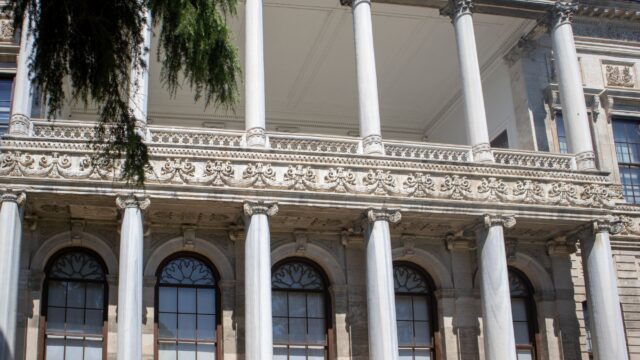
Manuel Tolsá designed and built the Palacio de Minería between 1797 and 1813 to house the Royal School of Mines. Wikipedia’s entry on the palace calls it a fine example of Neoclassical architecture in the Americas. The building later housed several educational institutions, including the School of Engineering, before the engineering faculty moved to Ciudad Universitaria in 1954. It now belongs to the engineering faculty of UNAM (Mexico’s national university) and hosts conferences, courses and the International Book Fair of the Mining Palace.
The Museo Manuel Tolsá is inside the palace. It opened in 1999 and shows sculptures, plans, ornamental objects and models of civil works by Tolsá and his disciples, plus portraits of figures of the period, including one of Tolsá himself. The city’s page for the museum lists the visiting details.
Address: Tacuba Street, opposite Plaza Manuel Tolsá. Hours: Wednesday through Sunday from 10 a.m. to 6 p.m.; on Museum Night, the final Wednesday of each month, 10 a.m. to 10 p.m. Tickets: mx$20.
Colegio de San Ildefonso, Centro Histórico
Jesuits founded the Colegio de San Ildefonso in 1588 as a boarding school, and it became one of the most important schools in the city. After the Jesuits were expelled in 1767, the building was used for other purposes, including barracks. In 1867 Benito Juárez turned it into the Escuela Nacional Preparatoria (National Preparatory School), which closed in 1978. The building reopened as a cultural center in 1992 and as a permanent museum in 1994.
The complex has six sections: five colonial Baroque ones finished in 1749 and the neo-Baroque Anfiteatro Bolívar, completed in 1911. Murals by José Clemente Orozco, Fernando Leal, Diego Rivera and others cover its walls, which is why Wikipedia’s page on the college calls it the birthplace of Mexican Muralism. Visitors who want more of Rivera’s work can read about four places to see Diego Rivera murals in Mexico City.
Address: Between San Ildefonso Street and Justo Sierra Street. Hours and ticket prices are not in the source, so confirm them on the museum’s website before you go.
Palacio Nacional, Zócalo
The Palacio Nacional fills the whole east side of the Zócalo with a red tezontle facade of more than 200 metres. It houses the federal executive, and since 2018 it has also been the official residence of the president. The site belonged to Moctezuma II’s “New Houses” before the current palace, and much of the old building material was reused.
Above the central doorway is the balcony where the president gives the Grito de Dolores shortly before 11 p.m. on Sept. 15. The bell that hangs there is the one Miguel Hidalgo rang to call for rebellion. Inside, Diego Rivera painted the mural “The Epic of the Mexican People” on the main stairwell between 1929 and 1935. Rivera also painted panels on the middle floor, and the Benito Juárez Museum preserves the room where Juárez died on July 18, 1872.
Access: The palace has fourteen courtyards, but only a few, such as the Grand Courtyard past the central doorway, are open to the public. The southern door leads to the presidential offices, which are closed to visitors. Visiting hours and entry rules are not in the source, so check them before you plan a trip. A guide to the murals at Palacio de Bellas Artes makes a good second stop on a day of Rivera and Orozco.
Tips for visiting
Iturbide, Casa de los Azulejos and the Mining Palace all sit on or near Madero and Tacuba, so they fit in one half day. San Ildefonso and the Palacio Nacional lie farther east toward the Zócalo. Hours for the museum and the Banamex palace differ by day, and the Museo Manuel Tolsá is closed Monday and Tuesday according to its listed Wednesday to Sunday schedule. Exhibitions at Palacio de Iturbide change, so look at the current program before going.
Quick answers
Which historic palace in Mexico City is open every day?
The city’s official page lists Palacio de Iturbide as open daily from 10 a.m. to 7 p.m. The Museo Manuel Tolsá inside the Palacio de Minería is open Wednesday through Sunday.
Is there an entrance fee for the Museo Manuel Tolsá?
Admission is listed at mx$20. On Museum Night, the final Wednesday of each month, the museum stays open until 10 p.m.
Can I go inside the Palacio Nacional?
Only some parts are open to the public, including the main courtyard with Diego Rivera’s murals. The presidential offices behind the southern door are not open.
Can I eat inside Casa de los Azulejos?
Yes. The house is the flagship restaurant of the Sanborns chain, which bought the building after it changed hands several times.
Checked against official sources in November 2026. Hours, prices and rules change: confirm on the official page before you go or apply.