Tlatelolco Mexico City: Archaeological Zone, Hours and Visit Tips
The Tlatelolco archaeological zone in Mexico City is free and opens 8:00 to 18:00. What to see on the Plaza de las Tres Culturas and how to plan a visit.
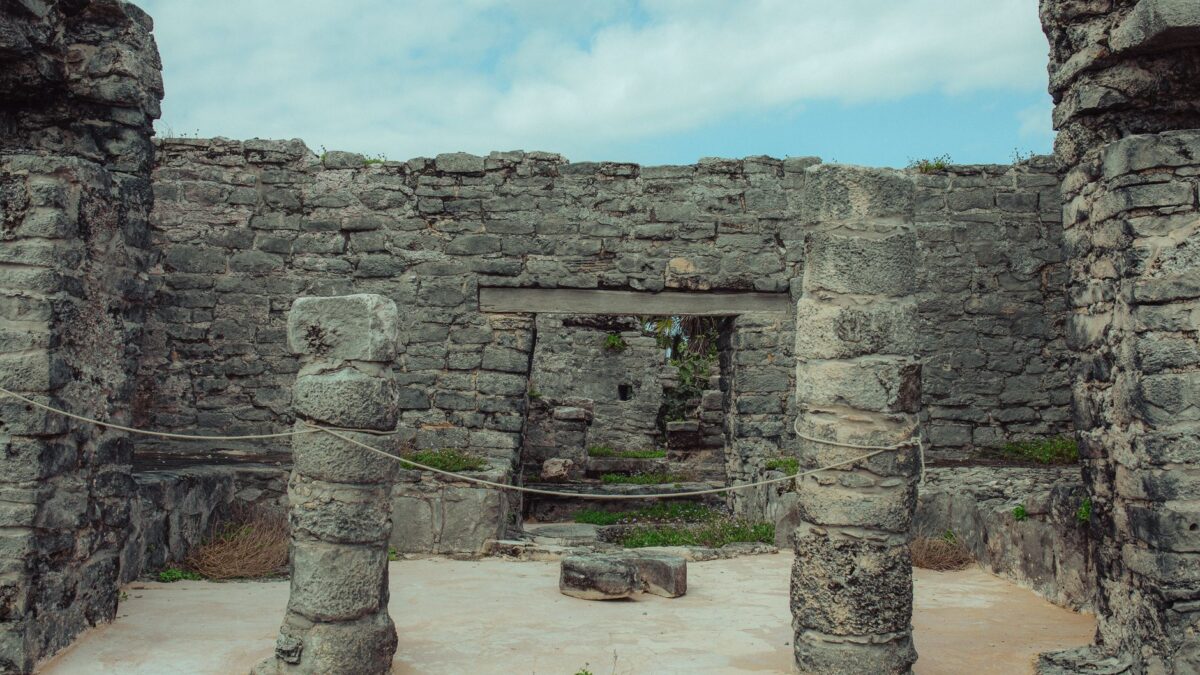
Tlatelolco is an Aztec archaeological site in the middle of the Plaza de las Tres Culturas, in the Cuauhtémoc borough of Mexico City. Entry to the ruins is free and the site opens from 8:00 to 18:00, according to the city’s tourism portal. The Museo de Tlatelolco next to it charges $20.00 MXN and opens Tuesday to Sunday from 10:00 to 18:00.
People come for a rare view: temple platforms of a pre-Columbian city, a colonial church and college, and modern apartment blocks, all visible from one spot. The square is also the place where Mexico remembers the students killed in 1968.
What is Tlatelolco?
Tlatelolco was an altepetl, a city-state of the Aztec world, and its ceremonial center survives as the ruins on the plaza. The city’s tourism portal, in its page on the Zona Arqueológica Tlatelolco, calls it probably the most important archaeological site in the capital after the Templo Mayor and one of the oldest places in the city. The same page says the city was founded in 1338 by people who left Tenochtitlán, although there is evidence that the area was inhabited before that.
Excavations have turned up thousands of objects and a lot of information about daily life. In 2009 archaeologists found a tomb with 49 bodies. The portal says they are believed to be people who fought the Spanish in 1523.
The name now covers several things, which confuses first-time visitors. Wikipedia’s Tlatelolco page lists the ancient city-state, the archaeological site, the present-day neighborhood, the Conjunto Urbano Nonoalco Tlatelolco apartment complex, a Metro station and a Metrobús station. It also lists the Treaty of Tlatelolco, which bans nuclear weapons in Latin America and the Caribbean.
Why is it called the Plaza de las Tres Culturas?
The name means “Three Cultures square” and refers to the periods of Mexican history that its buildings represent: pre-Columbian, Spanish colonial and the independent nation. According to Wikipedia’s article on the Plaza de las Tres Culturas, it is the main square of the Tlatelolco neighborhood, was designed by the Mexican architect and urbanist Mario Pani and was completed in 1966.
The pre-Columbian layer is the archaeological site itself. The colonial layer is the Colegio de Santa Cruz de Tlatelolco, which Wikipedia describes as the oldest European school of higher learning in the Americas, built in 1536 by the friar Juan de Torquemada. The modern layer is the large housing complex beside the square, built in 1964.
What can you see in the archaeological zone?
The city’s portal numbers 19 points of interest on the site and around it. The main ones for a first visit are these:
- Templo de Ehécatl-Quetzalcóatl, a temple to the wind god, and the circular altars near it
- Templo Mayor of Tlatelolco, where the Fase II structure and the later construction stages are marked separately
- Templo del Calendario and Templo de las Pinturas
- El Palacio
- The Tzompantli (skull rack) of the south patio and a second one on the north side
- Los amantes de Tlatelolco, a burial known as “the lovers”
- Gran Basamento and the Plataforma occidental
- Camino Tepeyac and the boundary of the sacred precinct
- Caja de agua, a colonial water tank with a mural from 1536
The list also includes the Colegio de Santa Cruz de Tlatelolco, the plaza, an area called Zona Chica and the path to the Tecpan museum. If you want to compare Tlatelolco with the Templo Mayor and other ruins in the capital, see our overview of archaeological sites in Mexico City.
What happened here in 1968?
The plaza was the scene of the Tlatelolco massacre of 1968, in which Mexican police and military forces killed more than 300 protesting students, according to Wikipedia. The article on the plaza speaks of hundreds killed.
A large stone memorial stands on the south side of the square. It was put up on Oct. 2, 1993, the 25th anniversary of the massacre. The former headquarters of the Secretaría de Relaciones Exteriores (Mexico’s foreign ministry), on the southern edge of the plaza, now houses a memorial museum called Memorial 68. UNAM (the National Autonomous University of Mexico) opened it in October 2007 to remember the student demonstrations of that year, the victims and the survivors. Marches still head for the city’s main squares, as in the recent Gen Z march to the Zócalo, and the anniversary of the massacre falls on Oct. 2.
Hours, tickets and getting there
Address: Plaza de las Tres Culturas, Tlatelolco, Cuauhtémoc borough. Hours: the archaeological site opens from 8:00 to 18:00. Tickets: admission to the site is free. Museum: the Museo de Tlatelolco costs $20.00 MXN and opens Tuesday to Sunday, 10:00 to 18:00. Getting there: the neighborhood has a Metro station and a Metrobús station, both named Tlatelolco.
The portal does not say which days the ruins are open, and it gives no hours or prices for Memorial 68. Check both before you set out, above all on a Monday, when the museum is closed.
Tips for visiting
The ruins are outdoors and have very little shade, so a morning visit is more comfortable. The site opens at 8:00, earlier than the museum. Bring water and a hat in the dry months and a rain jacket in the wet season.
The city’s numbered list starts at the Templo de Ehécatl-Quetzalcóatl and ends at the Caja de agua, and it works as a walking order if you keep the page open on your phone. Leave time for the south side of the square and its memorial after the ruins.
The portal lists a public market on Eje Central and the Garibaldi area among the places near Tlatelolco. If you want another historic building the same day, our guide covers the Palacio de Bellas Artes and its murals.
Quick answers
Is Tlatelolco free?
Yes. Admission to the archaeological site is free, according to the city’s tourism portal. The Museo de Tlatelolco charges $20.00 MXN.
What time does the Tlatelolco archaeological zone open?
The site opens from 8:00 to 18:00. The museum opens later, at 10:00, and only from Tuesday to Sunday.
How old is Tlatelolco?
The city’s portal gives 1338 as the founding date and notes evidence of people living there earlier. The plaza around the ruins is much newer: it was completed in 1966.
Is there a Metro station at Tlatelolco?
Yes. Tlatelolco is the name of a station on the Mexico City Metro and of a Metrobús station.
Checked against official sources in November 2026. Hours, prices and rules change: confirm on the official page before you go or apply.