Museo Franz Mayer Mexico City: Hours, Collection and Visiting Tips
Museo Franz Mayer is a decorative arts museum on Avenida Hidalgo, open Tuesday to Sunday. Hours, the collection, the old hospital building and tips.
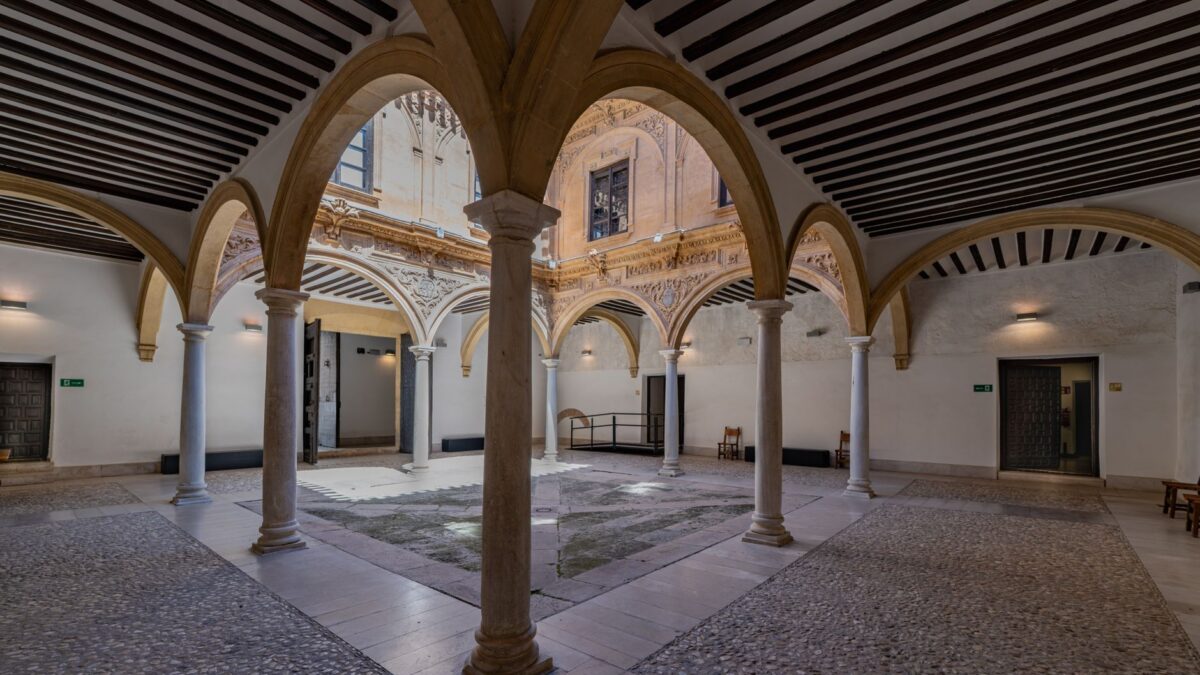
The Museo Franz Mayer is a decorative arts museum in the Centro Histórico, on the Plaza de la Santa Veracruz beside the Alameda Central. According to the Mexico City tourism page, it opens Tuesday through Friday from 10 a.m. to 5 p.m. and on weekends from 10 a.m. to 6 p.m. Inside an old colonial hospital you will find furniture, silver, ceramics, textiles and other everyday objects made by hand between the 16th and 19th centuries.
What is the Museo Franz Mayer?
The museum holds the collection of Franz Mayer, a German-born businessman and banker who settled in Mexico. The city’s official tourism page for the Franz Mayer Museum says he arrived in 1905 and started collecting seriously in 1923. In 1963 he set up a trust to care for the collection, which had grown very large by then. Mayer died in 1975, and the museum opened in 1986, 11 years later.
The Wikipedia entry on the museum describes it as the largest collection of decorative arts in Latin America, gathered over some fifty years. Most pieces come from Mexico, with others from Europe and Asia. Many of them were ordinary household objects, the kind of thing people rarely bothered to keep, which is part of why the collection matters.
Only part of it fits on the walls. The city page puts the share on show at about 25%, while Wikipedia gives 28%, so the figures differ slightly. Pieces not on display are often lent to other museums.
What can you see inside?
The permanent galleries cover ceramics, silverware, textiles, furniture, sculpture and painting, plus feather art (plumaria), lacquer ware, ivory, tortoiseshell, enamels and glass. Most works date from the 16th through the 19th centuries. Wikipedia lists 9,500 works of art, 1,400 ceramic pieces and 10,000 books in the holdings. Among the larger groups:
- Furniture: 710 pieces from the 16th to the 20th centuries, mostly from Mexico’s colonial period.
- Textiles: about 260 pieces from the 15th to the 20th centuries.
- Ceramics, including Talavera pottery, much of it from Mexico City, Puebla and Guanajuato.
Temporary shows change often and go beyond the old collection. The city page mentions books, graphic design, photography and industrial design. Past exhibits listed on Wikipedia include about seventy restored early 20th century phonographs and “Susurros” (Whispers), a show about the history of the collection that opened for the museum’s 25th anniversary in 2011.
The library has nearly 22,000 volumes from the 15th to the 21st centuries, on decorative arts, design and Mexican history. One section is devoted to Don Quijote, with 800 different editions in some 18 languages, all printed before 1905.
What is the history of the building?
The building started as a grain mill and warehouse. In 1582 it became a hospital, founded by Pedro López, the first doctor to graduate from the Royal and Pontifical University of Mexico (today’s UNAM). It treated patients for about 400 years. From 1604 the friars of the Order of San Juan de Dios (Brothers Hospitallers of St. John of God) ran it, and most of what visitors see today is an 18th century complex shaped by that order.
The friars had to leave after independence. The city page dates this to 1820, Wikipedia to 1821. Under Maximilian of Habsburg the hospital was set aside for treating prostitutes, and it stayed a women’s hospital under various names for years. It was declared a historical monument in 1931.
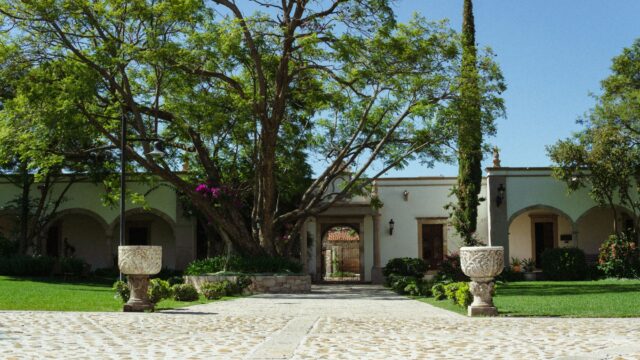
In 1981 the federal government handed the old Hospital de San Juan de Dios to the Franz Mayer Cultural Trust, and the restored building became the museum. Most galleries sit around the former cloister, which connects to the Church of San Juan de Dios. Wikipedia notes that three of the original cloister rooms survive: a dining hall, a storage room and a chapel restored to its colonial appearance.
Hours, address and how to get there
Address: Av. Hidalgo 45, Centro Histórico, 06300, Mexico City, on the Plaza de la Santa Veracruz. Hours: Tuesday through Friday, 10 a.m. to 5 p.m.; Saturday and Sunday, 10 a.m. to 6 p.m. The city page gives no Monday hours. Tickets: neither source lists prices, so check the museum’s own website before you go. Getting there: westbound Turibus Historic Center Circuit buses stop right outside on Avenida Hidalgo. Eastbound buses stop across the Alameda Central, on the far side of the Hemiciclo a Juárez, about a five-minute walk away.
The same square also leads to the Church of Santa Veracruz and the Museo Nacional de la Estampa (National Printmaking Museum), so you can see all three in one stop.
Tips for visiting
- Leave time for the café in the central courtyard, which has been planted as a garden.
- Check the program before you go: the museum runs guided tours, courses, lectures, concerts, children’s workshops and member activities.
- Combine it with nearby museums. The MUNAL national art museum is a short walk away in the Centro Histórico.
- If you are planning several museum days, our comparison of Mexico City’s art museums lists hours side by side.
Quick answers
Is the Museo Franz Mayer open on Mondays?
The city tourism page lists hours only for Tuesday through Sunday, so plan on another day and confirm with the museum.
How long has the museum been open?
It opened in 1986 in the former Hospital de San Juan de Dios, which the federal government granted to the Franz Mayer trust in 1981.
Is it a good fit for people who like Mexican crafts?
Yes. Much of the collection is finely made everyday work such as Talavera pottery, silver, textiles and colonial furniture. For a very different kind of collection, see our guide to the Museo Anahuacalli and its tours.
Checked against official sources in November 2026. Hours, prices and rules change: confirm on the official page before you go or apply.