Mexico City Squares and Plazas: Zócalo, Garibaldi, Tres Culturas
Mexico City's main squares, from the Zócalo and Alameda Central to Plaza Garibaldi and Tres Culturas: what each is, what to see and how to get there.
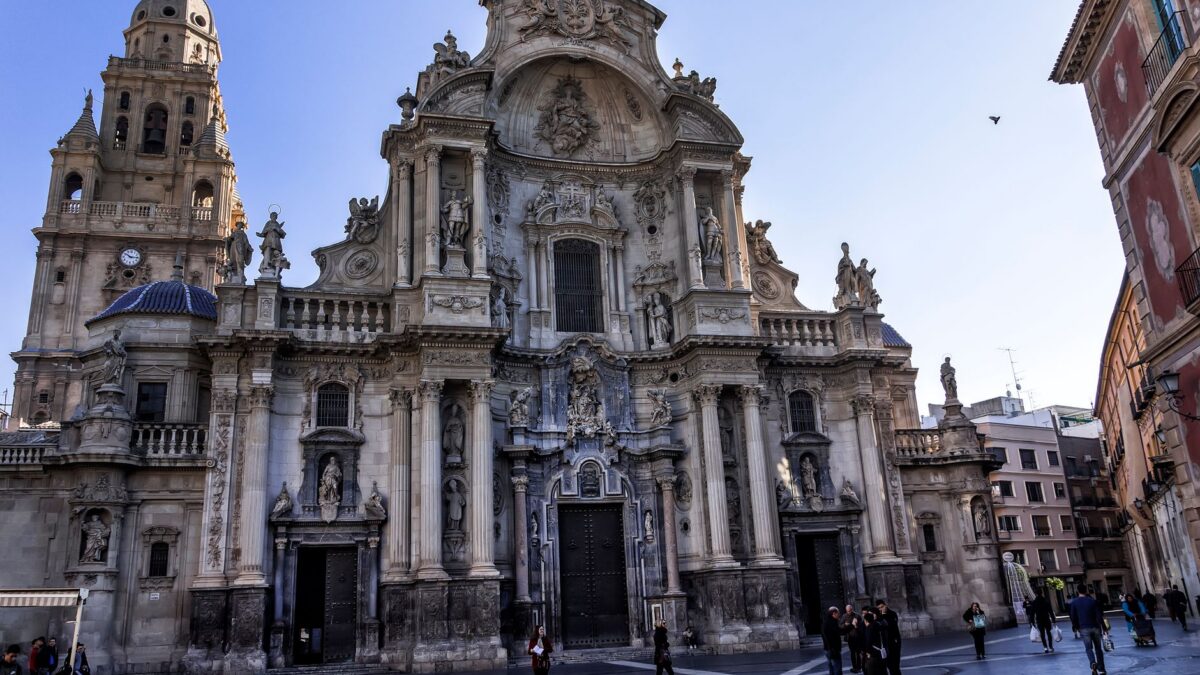
The Zócalo is Mexico City’s central square and the place to start, with the cathedral, the National Palace and city hall on its sides. West of it, Alameda Central and the small Plaza de Santa Veracruz sit next to the Palacio de Bellas Artes, and a few blocks north are Plaza Garibaldi, the home of mariachi music, and the Plaza de las Tres Culturas in Tlatelolco.
All five spaces are in or near the Centro Histórico (historic downtown), so you can see most of them in a day on foot or with short Metro rides. The list below runs from the Zócalo westward, then north.
Plaza de la Constitución (El Zócalo), Centro Histórico
The official name is Plaza de la Constitución, after the Constitution of Cádiz of 1812, the first constitution enacted in Mexico. Everyone calls it the Zócalo, which means “the base”: in the middle of the 19th century a column to mark Mexican independence was planned for the center of the square, and only its base was ever built. The square sits on the center of ancient Tenochtitlan, and the Spanish kept it as the political and religious center after they took the city. Over the colonial centuries it saw the reception of viceroys, funerals of archbishops, Inquisition autos de fe and executions ordered by the Spanish Crown.
The Metropolitan Cathedral closes the north side and the National Palace, seat of the federal government, fills the east. On the south is the Antiguo Palacio del Ayuntamiento, which still houses the city government, next to its twin building. Private buildings line the west side, including the Mercaderes building and the original Monte de Piedad, with a few restaurants and terraces that look over the square. The Zócalo hosts fairs, concerts, parades and carnivals through the year, and a public skating rink has gone up here every winter since 2007. Photographer Spencer Tunick photographed 18,000 people on the square, and a Café Tacuba concert drew 100,000 fans. It is also the usual end point of marches, so check the city’s daily protest notices, such as this list of marches and rallies from the SSC, before you plan a visit. The city’s official tourism guide to the Zócalo links it to a walking route that continues to the Templo Mayor.
Getting there: The Templo Mayor, the cathedral and the National Palace are all on or beside the square.
Alameda Central, Cuauhtémoc
Alameda Central is a public park created in 1592, when Viceroy Luis de Velasco II ordered a green space for residents, and it is described as the oldest public park in the Americas. The name comes from álamo, the Spanish word for the poplar trees planted there. The site was an Aztec marketplace, and the western part was once El Quemadero, where people condemned by the Inquisition were burned. The park grew in 1770 and again in 1791, when a wooden fence briefly kept it for the nobility. After independence in 1821 it became a place for popular celebrations. Gas lamps arrived in 1868 and electric lighting in 1892.
Today you walk paved paths laid out in a starburst around fountains and a central kiosk. On the south side, facing the street, is the Hemiciclo a Juárez, a white semicircular monument to Benito Juárez. Statues include Désespoire and Malgré Tout by Jesús Fructuoso Contreras and a Beethoven monument given by the German community. A rehabilitation in 2012 replaced the paving with marble, added trees and new lights, and ended street vending inside the park. Diego Rivera painted the park in his 1947 mural Sueño de una Tarde Dominical en la Alameda Central; this guide to where to see Diego Rivera murals covers it. The Wikipedia article on Alameda Central has the full history.
Address: Between Avenida Juárez and Avenida Hidalgo, next to the Palacio de Bellas Artes. Getting there: Metro Bellas Artes.
Plaza de Santa Veracruz, Alameda
Across the street from the Alameda, this small square was once the atrium of the Santa Veracruz church and dates to the 16th century. It is quieter than most squares of its size. Two churches face each other across it. Santa Veracruz keeps the carving of the Christ of the Seven Veils, a major popular devotion in the colonial city, plus paintings on the life of San Francisco Xavier attributed to Miguel Cabrera. To the north is the church of San Juan de Dios, the chapel of the Hospital de los Desamparados, which monks of the Order of San Juan de Dios ran from 1604 until most hospital orders were suppressed in the late 18th century.
On Saturdays the plaza is a meeting place for book lovers and collectors, who use it to hand over books and documents bought in online auctions. It is also the entrance to the Franz Mayer Museum and the National Printmaking Museum. The city’s tourism page for Plaza de Santa Veracruz places it on the Manuel Tolsá walking route.
Getting there: Cross from the north side of Alameda Central.
Plaza Garibaldi, Centro
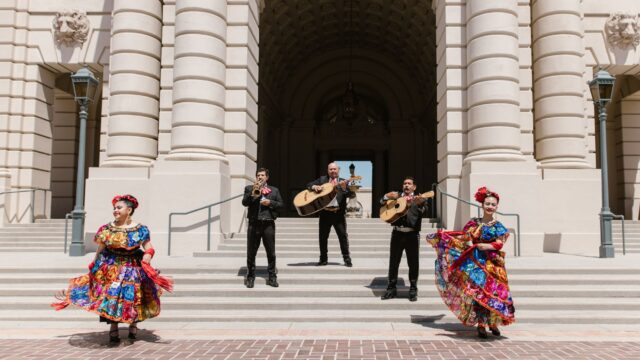
Plaza Garibaldi is on Eje Central (Lázaro Cárdenas) between Calle República de Honduras and Calle República de Perú, a few blocks north of Bellas Artes. First called Plaza Santa Cecilia, it was renamed in 1920 for Peppino Garibaldi, who fought with the Maderistas during the Mexican Revolution. Mariachi bands play and look for paying customers here day and night, and some line up along Eje Central to flag down drivers. Trios, jarocho groups from Veracruz and modern bands have joined them over the years.
The Salón Tenampa, on the north side, opened in 1923 as a cantina for people from Jalisco and hired Cirilo Marmolejo’s band in 1927, which helped draw mariachis to the square. It stays open until 3:00 a.m., and 4:00 a.m. on weekends and holidays, according to Wikipedia’s Plaza Garibaldi article. The San Camilito market serves Mexican food, much of it birria. The square has been under renovation since a 2007 plan to restore it, and the city named it a Barrio Mágico in 2011. The same article notes that as of May 2013 serious risks remained near the plaza and in nearby Tepito, so go in a group at night and stay on the main square. Our full guide to Plaza Garibaldi has more on visiting.
Hours: Busiest on Friday or Saturday night from 11:00 p.m. Getting there: Garibaldi Metro station, named after the plaza.
Plaza de las Tres Culturas, Tlatelolco
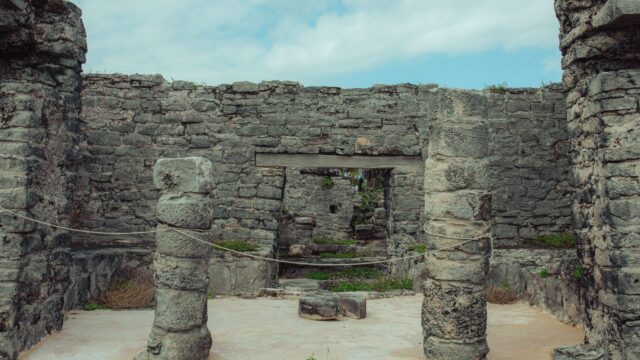
This is the main square of the Tlatelolco neighborhood, designed by architect Mario Pani and finished in 1966. The “three cultures” are the pre-Columbian, Spanish colonial and independent periods, each represented by buildings on the square. It holds the archaeological site of the city-state of Tlatelolco, sits beside the College of Santa Cruz de Tlatelolco, built in 1536 and described as the oldest European school of higher learning in the Americas, and faces a large housing complex built in 1964.
The former Foreign Affairs ministry on the southern edge now houses Memorial 68, a museum opened by UNAM in October 2007 about the 1968 student movement and the Tlatelolco Massacre. A stone memorial on the south side went up on Oct. 2, 1993, the 25th anniversary of the massacre. Background is in the Wikipedia article on the plaza.
Tips for visiting
- Walk from the Zócalo west along the historic center to Alameda Central and Santa Veracruz; Garibaldi is a short walk north of Bellas Artes.
- Expect crowds, stages or closures at the Zócalo during concerts, festivals and marches.
- Go to Santa Veracruz on a Saturday if you want to see the book exchange.
- At Garibaldi, agree on a price with a band before it plays.
- Tres Culturas is farther north than the others; leave time for the ruins and Memorial 68.
Quick answers
Why is it called the Zócalo?
A column for independence was planned for the center of the square in the mid-19th century, but only its base, or zócalo, was built, and the name stuck.
When is the best time to hear mariachis at Plaza Garibaldi?
Bands play day and night, and the liveliest time is Friday or Saturday night from 11:00 p.m.
Which Metro station serves Alameda Central?
Bellas Artes, next to the Palacio de Bellas Artes on the park’s edge.
What happened at the Plaza de las Tres Culturas in 1968?
It was the site of the Tlatelolco Massacre during the 1968 student demonstrations, remembered today by the Memorial 68 museum and a stone memorial on the square.
Checked against official sources in November 2026. Hours, prices and rules change: confirm on the official page before you go or apply.