Cuernavaca Day Trip From Mexico City: History, Climate and Tips
Cuernavaca is about a 90-minute drive south of Mexico City on Federal Highway 95D. See its climate, history, famous residents and tips for the trip.
Cuernavaca, the capital of the state of Morelos, sits south of Mexico City and is reached by a 90-minute drive along Federal Highway 95D, according to Wikipedia’s entry on the city. Residents of the capital have gone there for a break for a long time, drawn by a warm, steady climate and plenty of greenery. That reputation gave the city its nickname, the City of Eternal Spring.
The same page describes a city with a long history, a mild mountain setting and a list of well-known people who made their homes there. This guide covers each of those, then the practical points for planning a day out.
Why Cuernavaca is called the City of Eternal Spring
The nickname goes back to the naturalist Alexander von Humboldt, who in the 19th century wrote of the area around Cuernavaca as a region of perpetual spring. Cuernavaca is in a tropical region, yet its temperature stays fairly constant, between 21 and 26 °C (70 and 79 °F).
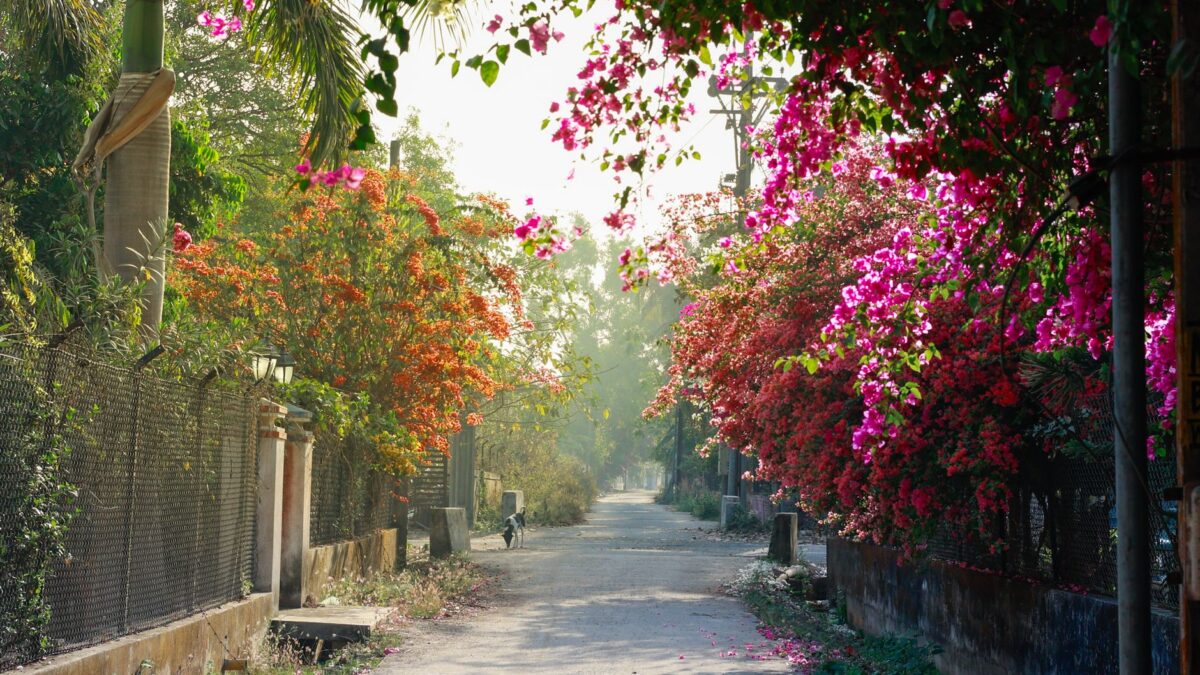
The city lies on the southern slope of the Sierra de Chichinautzin mountains, at an elevation of 1,510 m (4,950 ft). In the morning, warm air moves up the slope from the valley below. In the late afternoon, cooler air flows down from higher ground. Bougainvillea, a flowering plant, is found all over town.
In 1937, President Lázaro Cárdenas designated the municipality a Forest Protection Zone, to protect the aquifers, the vegetation and the quality of life of residents in both Cuernavaca and Mexico City.
A short history of the name and the people
The name Cuernavaca comes from the Nahuatl place name Cuauhnāhuac, which means “surrounded by or close to trees”. The city’s coat of arms is based on an older pictograph of a tree trunk with branches and roots. The trunk has a cut in the shape of a mouth with a speech scroll coming out of it, which probably stands for the Nahuatl language.
The area is old. Burials dated to about 1000 BCE have been found at Gualupita, in the north of the city. Olmec works of art found at the Gualupita III archaeological site are displayed in the Museum of Anthropology in Mexico City. The Tlahuica, a Nahua people, were the first major culture to live here, and their main settlement stood where Cuernavaca is today. They have been in the area since at least the 12th century.
Famous residents who retreated here
The mild climate has drawn royalty and nobles since Aztec times, because of the flowers, sun, fruit, springs and waterfalls. Some of the better-known names in the source:
- Emperor Maximilian I of Mexico, who set up a country residence in the city.
- Barbara Hutton, a philanthropist, who had a home on the outskirts.
- Princess Maria Beatrice of Savoy, who lived in Cuernavaca from 1971 to 1999.
- Mohammad Reza Pahlavi, the Shah of Iran, who lived in exile in the city after the Iranian Revolution.
- Michael van Beuren, a Bauhaus designer from the United States, who settled in a family hacienda. A colony of Bauhaus designers grew in the city during World War II.
A weekend town for Mexico City
Cuernavaca has long been a place for people from Mexico City to get away. Many own second homes there for weekends. Starting in the 1980s, some families moved permanently, pushed by pollution and crime in the capital. The 1985 Mexico City earthquake also sent well-off families south. In many cases the main earner commutes to the capital each day.
The city had 341,029 inhabitants in the 2020 figures, the most in Morelos. As of 2015, the metropolitan area had 912,024 people. The municipalities of Emiliano Zapata, Jiutepec, Temixco, Tepoztlán and Xochitepec have been added to the metro area since the 1980s. If you plan to see more of the region, the Tepoztlán day-trip guide covers one of those neighbors, and the Taxco guide covers another day trip from the capital.
Practical information for the trip
Getting there: about 90 minutes by car on Federal Highway 95D from Mexico City. Elevation: 1,510 m (4,950 ft). Area code: 777. Official city website (in Spanish): www.cuernavaca.gob.mx.
Opening hours, ticket prices and bus schedules are not listed in the source used for this guide. Check them with each venue or the city before you go.
Tips for visiting
- Plan for mild weather all year, since temperatures stay fairly constant. Because cooler air arrives in the late afternoon, a light layer is a reasonable thing to carry.
- Allow for the drive each way, about 90 minutes without delays.
- Cuernavaca is one of several places within reach of the capital. The archaeological day trips guide lists sites with hours.
Quick answers
How far is Cuernavaca from Mexico City?
It is south of the capital, a 90-minute drive along Federal Highway 95D.
Why is it called the City of Eternal Spring?
Alexander von Humboldt gave it the nickname in the 19th century, describing the area as a region of perpetual spring. Temperatures stay between 21 and 26 °C (70 and 79 °F).
What does the name Cuernavaca mean?
It is a Hispanicized form of the Nahuatl name Cuauhnāhuac, which means “surrounded by or close to trees”.
Checked against official sources in November 2026. Hours, prices and rules change: confirm on the official page before you go or apply.