Archaeological Day Trips From Mexico City: 4 Sites, Hours and Tips
Xochicalco, Malinalco and Cholula are archaeological day trips from Mexico City, and Tenayuca is on Metrobús Line 3. Hours, fees and tips.
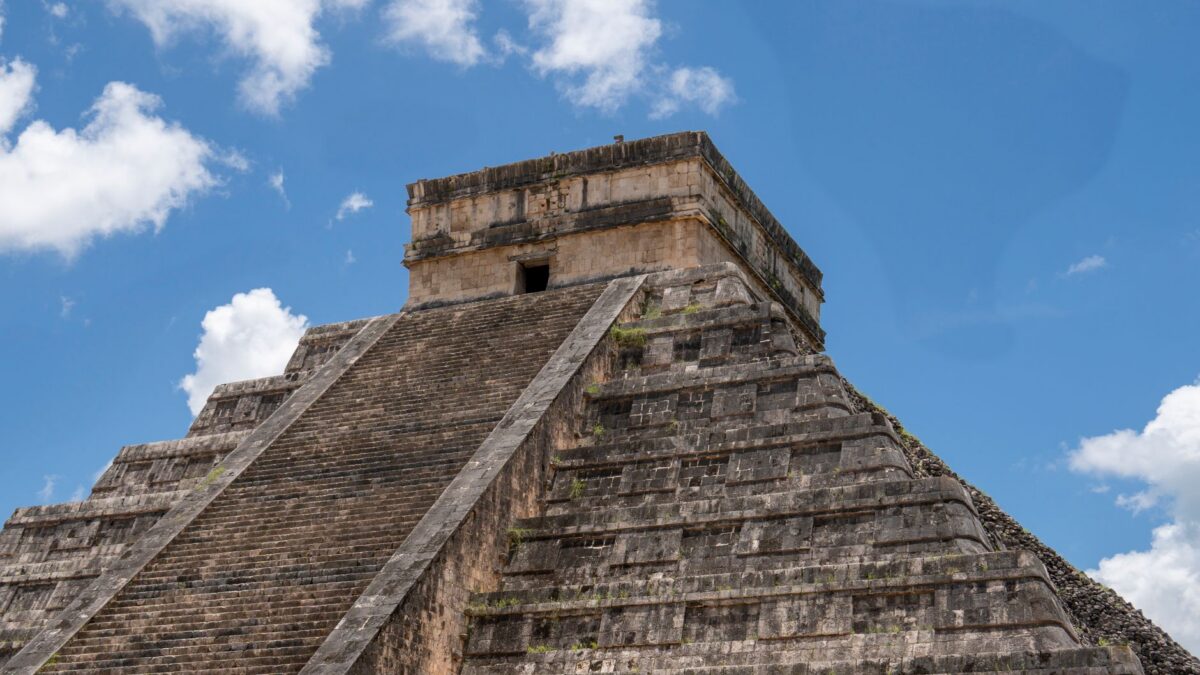
The closest archaeological site on this list is Tenayuca, which sits at the end of Metrobús Line 3. Xochicalco, Malinalco and Cholula need a longer ride out of the city, between 115 and 122 km for the two sites to the southwest. Each one has its own character: a fortified hilltop town, a temple carved into a mountain, and a pyramid hidden under a church.
For other trips out of the capital, there is a separate guide to day trips from Mexico City by bus. Sites inside the city are covered in the piece on Mexico City archaeological sites.
Tenayuca Ruins, Tlalnepantla de Baz
The Mexico City tourism site describes Tenayuca as much closer than Teotihuacan. The ruins are technically in Tlalnepantla de Baz, in the State of Mexico. They are what remains of a fortified city, mostly from the late 1200s, built most likely by Hñañu and Otomí people.
Like many temple sites, Tenayuca was built in several phases, one on top of another. The serpent sculptures on the site are all tied to fire and sun worship. About 200 meters from the main pyramid are the remains of an elite residential complex, with plaster floors still visible in some rooms. People who want an easy half day will like it.
Getting there: Metrobús Line 3 to the last stop; the ruins are right there. Hours: Tuesday through Sunday, 10 a.m. to 5 p.m. Tickets: 55 pesos.
Xochicalco, Morelos
Xochicalco, a name that can be translated from Nahuatl as “in the house of Flowers”, is a pre-Columbian site in Miacatlán, in western Morelos. It is a UNESCO World Heritage Site, inscribed in 1999. According to Wikipedia, the site was first occupied by 200 BC but became an urban center only in the Epiclassic period (AD 700 to 900), when nearly all of its standing architecture was built.
Visitors come for the sculpted reliefs, especially the Temple of the Feathered Serpent, and for the observatory. The observatory is a cave modified to follow the sun’s movement. Its chimney is 8.7 meters long, and on May 14 and 15 and July 28 and 29 the sun is at its zenith and a beam of light falls straight down to the cave floor. The site also has step-pyramid temples, palaces, three ballcourts and a site museum.
Getting there: 38 km southwest of Cuernavaca and about 122 km by road from Mexico City. Hours: open all week, 10 a.m. to 5 p.m., and the observatory only after noon. Confirm current hours and prices with INAH, Mexico’s anthropology and history institute.
Malinalco, State of Mexico
Malinalco is a town 115 km southwest of Mexico City, at an elevation of 1,740 meters. Its name comes from the Nahuatl word malinalli, a type of grass, and a legend that it was home to the goddess Malinalxochitl. The Aztecs conquered the area in the 1470s and built a sanctuary there for their Eagle and Jaguar warriors on the Cerro de los Idolos (Hill of the Idols).
The main attraction is the Cuauhcalli, or House of Eagles, a building carved out of the side of the mountain. The municipality also includes the village of Chalma, a pilgrimage site that Wikipedia calls the second-most visited shrine in Mexico after the Basilica of Our Lady of Guadalupe.
Getting there: 115 km southwest of the capital. Hours and entrance fees for the archaeological zone are not in our sources, so check them with INAH before you travel. More on the town is on Wikipedia.
Great Pyramid of Cholula, Puebla
The pyramid, known in Nahuatl as Tlachihualtepetl (“constructed mountain”), is in Cholula, about 6.4 kilometers west of the city of Puebla. At first glance it looks like a natural hill, because the Iglesia de Nuestra Señora de los Remedios was built on top of it in 1594. The pyramid has not been excavated and restored in full, partly because of the church, which is a designated monument.
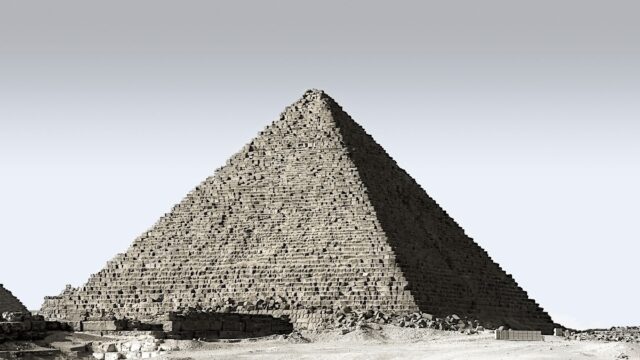
The structure stands 25 meters tall with a base of 300 by 315 meters. Wikipedia, citing the Guinness Book of Records, says its volume is estimated at over 4.45 million cubic meters, larger than the Great Pyramid of Giza at about 2.5 million. Archaeologists have dug about 8 km of tunnels inside, starting with exploratory tunneling led by the architect Ignacio Marquina in 1931.
Getting there: Cholula, in the San Andrés Cholula municipality of Puebla. Opening hours and ticket prices are not listed in our sources; confirm them with INAH.
Tips for visiting
- Xochicalco’s observatory opens only after noon, so plan to arrive for the afternoon if the cave is your main goal.
- Tenayuca is the only site here with a published price and hours, and it is open Tuesday through Sunday.
- Tula, the Toltec capital in the state of Hidalgo, is another archaeological day trip. Check its hours with INAH before you go.
- The city has older sites of its own: see the guides to Cuicuilco and Tlatelolco.
Quick answers
Which site is closest to Mexico City?
Tenayuca. Metrobús Line 3 goes to the end of the line, and the ruins are there.
Which site has a published ticket price?
Tenayuca, at 55 pesos. The other three sources do not list prices, so ask INAH.
How far are Xochicalco and Malinalco from the city?
Xochicalco is about 122 km by road from Mexico City. Malinalco is 115 km southwest of it.
Checked against official sources in November 2026. Hours, prices and rules change: confirm on the official page before you go or apply.