Mexico City Archaeological Sites: Templo Mayor, Tlatelolco and More
Mexico City has pre-Hispanic ruins from the Centro to Pedregal. Hours, fees and what to see at Templo Mayor, Tlatelolco, Cuicuilco and three more sites.
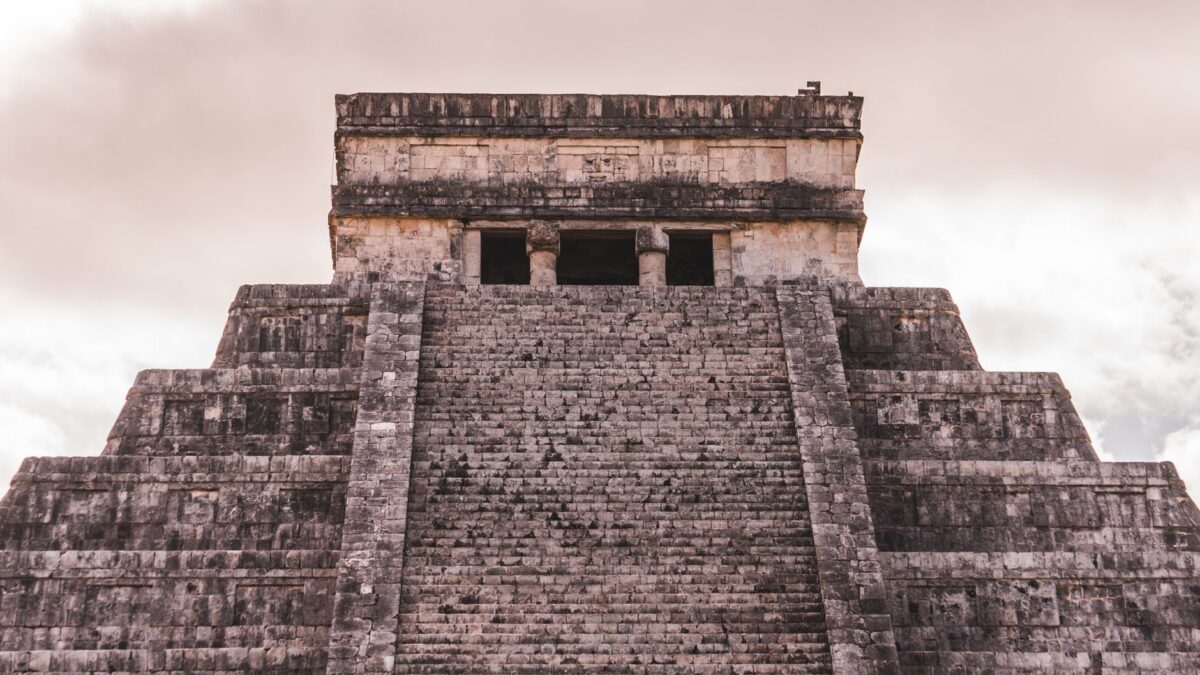
You do not need to leave the city to see pre-Hispanic ruins. The Templo Mayor sits beside the Zócalo, Tlatelolco is a short ride north, and Cuicuilco, the first ceremonial center in the Valley of Mexico, stands at the corner of Insurgentes and the Periférico. Three smaller sites, at Tenayuca, Cerro de la Estrella and Mixcoac, round out a list you can work through by Metro and Metrobús.
Templo Mayor, Centro Histórico
This was the main temple of Mexico Tenochtitlan and the center of Mexica political and religious life. Its pyramid carried two shrines on top, one for Tláloc, the god of water, and one for Huitzilopochtli, the god of war. The wider complex also took in the House of the Eagles, the Temple of Ehécatl, a ball court and the Calmécac, the school for the nobility. The temple was taken apart after the war of 1519 to 1521 and houses went up over the ruins. Manuel Gamio found parts of it in the early 20th century, and the full rescue began after new finds in 1978.
The site museum, designed by architect Pedro Ramírez Vázquez, holds more than 3,000 Mexica objects, including offerings, burials and pieces from the colonial period. The best known are the monoliths of the goddesses Coyolxauhqui and Tlaltecuhtli. The city tourism page for Templo Mayor notes that it covers only the world of Tenochtitlan, while the Museum of Anthropology covers all of Mexico’s cultures. Our guide to the Templo Mayor ruins and museum goes room by room.
Address: the archaeological zone north and east of the Metropolitan Cathedral, off the Zócalo. Check hours and tickets on the official page before you go.
Tlatelolco, Plaza de las Tres Culturas
The city tourism office ranks Tlatelolco as probably the most important archaeological site after the Templo Mayor. It sits in the middle of the Plaza de las Tres Culturas and is one of the oldest sites in the city. People from Tenochtitlan founded Tlatelolco in 1338, though there is evidence of earlier settlement. In 2009 excavators found a tomb with 49 bodies, thought to be people who fought the Spanish in 1523.
The Tlatelolco site page lists 19 points to look for, among them the Temple of Ehécatl-Quetzalcóatl, the Calendar Temple, the Temple of the Paintings, a tzompantli (skull rack) and the Colegio de Santa Cruz de Tlatelolco. There is also a caja de agua (water tank) with a mural from 1536.
Hours: the site is open 8:00 to 18:00. Tickets: the site is free; the Museo de Tlatelolco charges $20.00 MXN and opens Tuesday to Sunday, 10:00 to 18:00.
Cuicuilco, Tlalpan
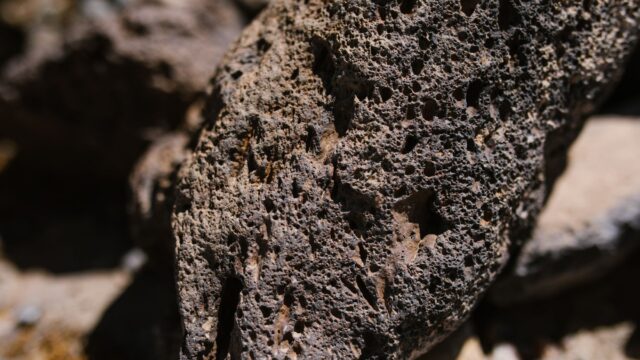
Cuicuilco, a Nahuatl name meaning “place of songs,” was the first ceremonial center in the Valley of Mexico. Recent research dates settlement to 2,000 years before the common era, and the city may have reached 20,000 people. Eruptions of the Xitle volcano between 245 and 315 CE buried it in lava, and the people who left are thought to have shaped later cultures such as Teotihuacan. That lava field is today’s Pedregal de San Ángel, which takes in much of Ciudad Universitaria.
The main round structure is dedicated to Huehuetéotl, the Old God of Fire, and has drawings in cinnabar red inside. Cuicuilco A includes the Gran Basamento, the Kiva, Building E1, the stela and a walk through the ecological reserve. The museum opened in 1970 and shows tools, personal objects and burials from the excavations. According to the Cuicuilco site page, entry includes the museum, parking and restrooms. The site pairs well with our list of museums in the south of Mexico City.
Address: Insurgentes at the Anillo Periférico, across from the Perisur mall. Hours: Monday to Sunday, 9:00 to 17:00.
Tenayuca, Tlalnepantla de Baz
Tenayuca is technically in Tlalnepantla de Baz, in the State of Mexico, but it is far closer than Teotihuacan. The ruins are what is left of a fortified city, mostly from the late 1200s, probably built by Hñañu and Otomí people. As at many temple sites, several building phases sit one on top of another. The serpent sculptures relate to fire and sun worship, and 200 meters from the main pyramid are the remains of an elite residential complex with some plaster floors still in place.
Hours: Tuesday through Sunday, 10 a.m. to 5 p.m. Tickets: 55 pesos. Getting there: the Tenayuca ruins page says to ride Metrobús Line 3 to the end of the line; the ruins are right there.
Cerro de la Estrella, Iztapalapa
This extinct volcano is a national park, declared in 1938, with pyramid ruins and a museum about an ancient ceremony. It is also where the yearly Passion of Christ play in Iztapalapa reaches its climax. A 2019-2020 restoration added pollinator gardens, a cactus and agave garden, a children’s play area, outdoor exercise equipment and a jogging path. A trail to the pyramid and a new lookout were restored, and more than 18,000 trees were planted to control erosion. The site belonged to Culhuacán, an ancient city-state.
Getting there: the Cerro de la Estrella park page points to the Metro station named after the hill, or Culhuacán station, which lets you see part of the old town on the way. For more green space, see our guide to parks from Chapultepec to Viveros.
Mixcoac, Benito Juárez
Mixcoac means “place of the cloud serpent” in Nahuatl, a reference to the Milky Way and the god Mixcóatl. Before the conquest a small settlement stood here on the edge of Lake Texcoco, and its ruins, occupied from about 900 AD to 1521 AD, can be seen at the Mixcoac archaeological site. The neighborhood around it was a separate town until 1928 and is now a Barrio Mágico with a mostly intact old center around Plaza Jáuregui and the Parroquia de Santo Domingo de Guzmán, according to Wikipedia’s entry on Mixcoac.
Getting there: Mixcoac station on Metro lines 7 and 12. Hours for the archaeological site are not listed in our sources; check with the site before you go.
Tips for visiting
- Pair the Templo Mayor with a walk around the Zócalo, since the Metropolitan Cathedral and the National Palace are next door.
- Tlatelolco’s archaeological zone is free, so it works as a short stop; budget extra time if you want the museum, which is closed on Mondays.
- Cuicuilco is the only site on this list that our sources show open seven days a week.
- Tenayuca closes on Mondays and sits outside the city limits, at the end of Metrobús Line 3.
- Bring water and good shoes to Cerro de la Estrella: the pyramid is reached by a trail up the hill.
Quick answers
Which archaeological site is closest to the Zócalo?
The Templo Mayor. Its archaeological zone lies just north and east of the Metropolitan Cathedral on the main square.
Is Tlatelolco free?
Yes, the site itself is free and open 8:00 to 18:00. The Museo de Tlatelolco charges $20.00 MXN.
Can I reach Tenayuca without a car?
Yes. Take Metrobús Line 3 to the last stop; the ruins are next to it.
What is the oldest site on the list?
Cuicuilco, where research dates settlement to 2,000 years before the common era. It was abandoned after the Xitle eruptions.
Checked against official sources in November 2026. Hours, prices and rules change: confirm on the official page before you go or apply.