Cuicuilco Archaeological Site Mexico City: Hours, Tickets and Tips
Cuicuilco archaeological site in Mexico City opens daily from 9:00 to 17:00. What the round pyramid is, what else to see and how to find the entrance.
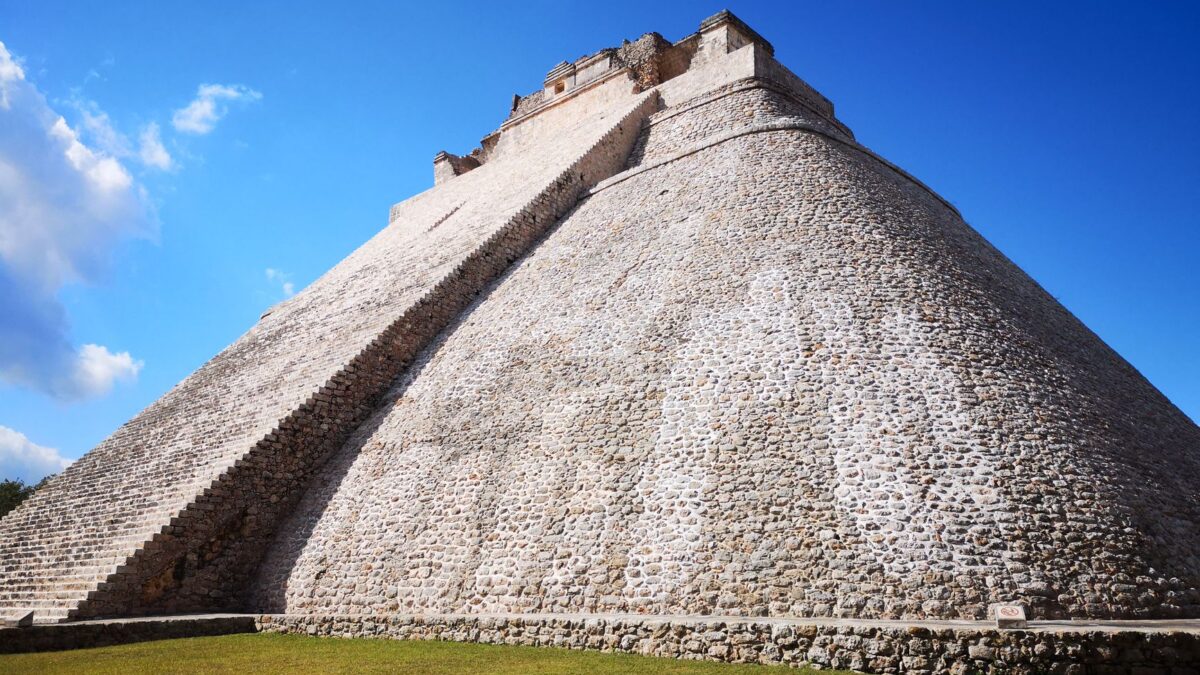
Cuicuilco is an archaeological site in the south of Mexico City, in the borough of Tlalpan, built around a large round stepped platform that most visitors call the circular pyramid. It opens Monday to Sunday from 9:00 to 17:00, and the entrance covers the site museum, parking and restrooms. People come for the unusual round shape of the main structure and for the story of a town that a volcano buried under lava.
What was Cuicuilco?
The city’s tourism office describes the Zona Arqueológica Cuicuilco as the first ceremonial center in the Valley of Mexico. Its page translates the Nahuatl name as “place of songs”. The Wikipedia article on Cuicuilco says the etymology is uncertain and cites a longer reading from the archaeologist Zelia Nuttall: “Place where songs and dances are made”.
Dates for the settlement differ between the two pages. The city says people lived here from the year 2,000 before the common era, while Wikipedia puts the earliest estimated occupation at 1200 BCE and calls all such periods tentative. Both agree on the scale it reached: a population of up to 20,000.
Cuicuilco began as a farming village and grew around a ceremonial center with pyramids, plazas and avenues, according to Wikipedia, which adds that it may be the oldest city in the Valley of Mexico. The town became a rival of Teotihuacan, about 60 km to the northeast, and relations between the two were mostly hostile. Readers planning to see both can compare them using the site’s guide to visiting Teotihuacan from Mexico City.
How the Xitle volcano ended the city
Eruptions of the Xitle volcano between 245 and 315 CE covered the settlement in lava and drove its people out. The city’s page says that migration shaped the later growth of other cultures, Teotihuacan among them. Wikipedia notes that Cuicuilco was already weakening between 100 BCE and 1 CE, when Teotihuacan began to develop.
The lava field is still part of the map of southern Mexico City. It is the area known today as the Pedregal de San Ángel, which takes in a large part of Ciudad Universitaria (the main campus of the national university), the neighborhoods of El Pedregal and Romero de Terreros, and continues to the foot of the Ajusco. Wikipedia gives the extent of the buried city as nearly 400 hectares, much of it now under volcanic rock and modern buildings.
What to see: the circular pyramid and the rest of the site
The main structure is the Gran Basamento (Great Base), the round platform that rises in tiers at the center of the site. Wikipedia dates this pyramidal base to between 800 and 600 BCE. The city’s page gives the same pair of years for the site’s peak but labels them as common era, so treat the printed dates on that page with care.
According to the city, the building is dedicated to Huehuetéotl, the “Old God of Fire”, and has drawings in cinnabar red inside. The same page says the first steps toward a calendar based on watching the movement of the sun may have been taken here. Wikipedia describes one of the pyramids as placed in a strategic position, an early attempt to connect religious ideas with events in the sky through architecture.
The part open to visitors is called Cuicuilco A. Besides the Gran Basamento it includes:
- the Kiva;
- Edificio E1 (Building E1);
- the Estela, a standing carved stone;
- a path through the ecological reserve that surrounds the ruins.
Wikipedia counts eight surviving buildings, housing and religious, out of the many that once stood here, along with the remains of a hydraulic system that supplied the town with water.
The site museum
The museum opened in 1970. It displays objects found in the excavations, including tools and personal items, and also human remains that show some of the customs of the people who lived here. Its purpose, in the city’s words, is to explain one of the oldest cities in the Valley of Mexico and the first large civic and religious center of the Mexican highlands.
Wikipedia adds detail that helps make sense of the cases. The inhabitants practiced cranial shaping and dental modification, and their economy rested on agriculture, probably supplemented by hunting, fishing and gathering. Lake Xochimilco lay approximately 4 km away, with springs, streams and forests close by.
Practical information: hours, tickets and getting there
Address: the intersection of Insurgentes and the Anillo Periférico, on the side opposite the Perisur shopping center. Hours: Monday to Sunday, 9:00 to 17:00. Tickets: entry includes the museum, parking and restrooms. The city’s page does not list a price, so check the official page before you go. Getting there: both Insurgentes and the Periférico are major roads, and Perisur is the landmark to give a taxi or ride-hailing driver. Drivers can use the on-site parking.
Other parts of Cuicuilco outside the fence
The archaeological zone is larger than the ticketed area. The city lists three more sectors outside it: Cuicuilco B, at Villa Olímpica; Peña Pobre; and Cuicuilco D. A mound called Tenantongo, in the Bosque de Tlalpan (Tlalpan Forest), also belongs to the complex. The page gives no visiting details for these, so plan your trip around Cuicuilco A.
Tips for visiting
- Arrive well before 17:00. The Gran Basamento, the reserve path and the museum together take time, and the listed hours are for the whole site.
- Most of the visit is outdoors on open ground, so bring water, a hat and sunscreen, and wear shoes that can handle uneven volcanic rock.
- Start in the museum if you want the lava story and the timeline first. The ruins are easier to read afterward.
- Pair it with another ancient site on a different day. The site’s overview of archaeological sites inside Mexico City covers Templo Mayor, Tlatelolco and others.
Quick answers
Is the Cuicuilco pyramid really round?
Yes. The Gran Basamento is a circular platform built in tiers, which is why it is usually called the circular pyramid. Wikipedia also describes earlier conical structures with an oval base at the settlement.
What time does Cuicuilco open?
The city’s tourism page lists Monday to Sunday, 9:00 to 17:00.
Is there parking at Cuicuilco?
Yes. According to the city, the entrance includes parking, the museum and restrooms.
Why was Cuicuilco abandoned?
The Xitle volcano erupted between 245 and 315 CE and buried the settlement in lava. Its people left, and Teotihuacan went on to dominate the central highlands.
Checked against official sources in November 2026. Hours, prices and rules change: confirm on the official page before you go or apply.