Plaza Garibaldi Mexico City: Mariachi Square History, Hours and Tips
Plaza Garibaldi is Mexico City's mariachi square, with bands playing day and night. Its history, Salón Tenampa, food, the best night to go and safety tips.
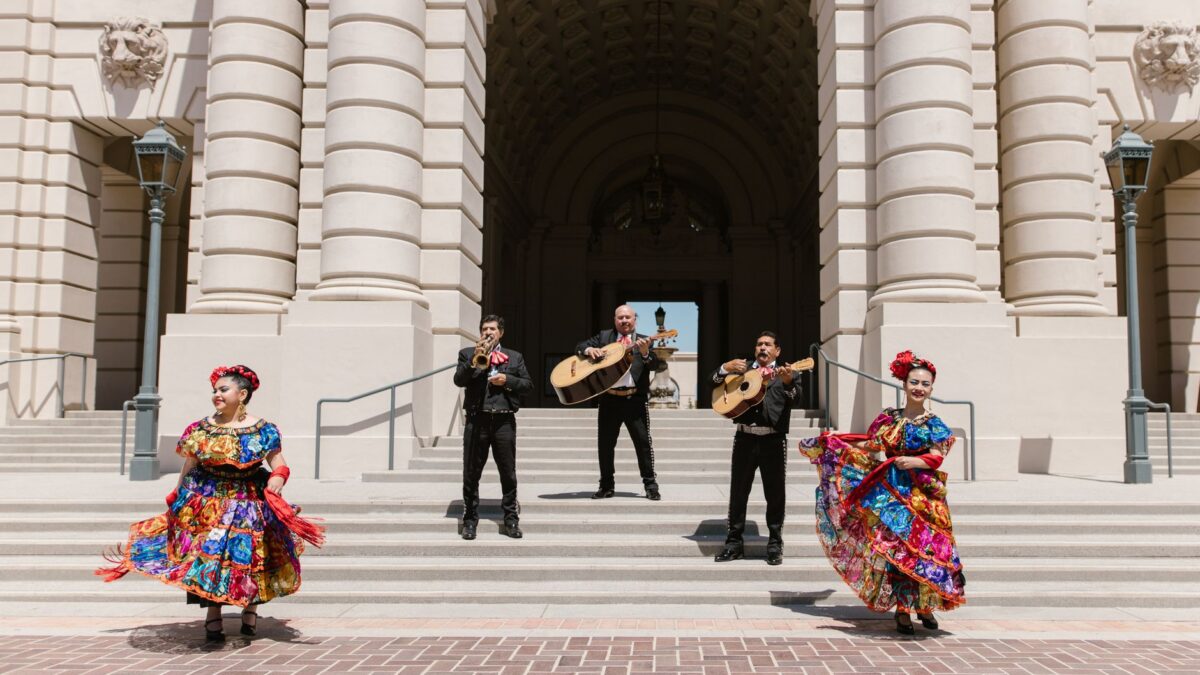
Plaza Garibaldi is the square in downtown Mexico City where mariachi bands gather to play, at any hour, for bar customers, passers-by and anyone who hires them for a song. It sits on Eje Central (Lázaro Cárdenas) between Calle República de Honduras and Calle República de Peru, a few blocks north of the Palacio de Bellas Artes, and the Garibaldi Metro station takes its name from it. People come for the music, the old cantinas and late-night food.
Why is it called Plaza Garibaldi?
The square was first called Plaza Santa Cecilia. In 1920, as the Mexican Revolution came to an end, it took the name of Lt. Col. Peppino Garibaldi, who fought alongside the Maderistas in the attack on Casas Grandes, Chihuahua.
In 1910 the plaza had a garden at its center. It was later paved over, with a kiosk in the middle, an arcade near the front by Eje Central, and statues of famous charro singers on each side. That layout lasted until 2009, and for decades couples hired bands there to serenade them, while others came to celebrate, go out for the night or get over a breakup. The Day of the Music has been celebrated in the plaza every year on Nov. 21.
How did it become the home of mariachi?
The story runs through the Salón Tenampa. Juan Indalecio Hernández Ibarra, from Cocula, Jalisco, the town known as the birthplace of mariachi, moved to Mexico City in 1923 and opened a cantina and store on the plaza called El Tenampa. Nobody agrees on where the name comes from: a vanished brand of Cuban cigar, a ranch in Veracruz, or an indigenous word, “tenampal”, said to mean meeting place.
Hernández wanted people from Jalisco to feel at home, so he served birria, pozole and tequila with live mariachi. He brought in Concho Andrade, a musician he knew from Cocula, but most of that band soon went back to their families in Jalisco because of the Cristero War. In 1927 he hired Cirilo Marmolejo, and with several groups on hand, one played inside while another played to the crowd in the square. The Tenampa became a major nightspot in the 1920s, and other big names, among them José Reyes, came to play.
The movies helped. In the Golden Age of Mexican cinema, from the 1930s to the 1950s, charro films starring Tito Guízar, Jorge Negrete, José Alfredo Jiménez and Pedro Infante had heroes singing mariachi songs to the women they loved. More musicians came to the plaza, where men paid them to sing to their partners in the same style. The films and Marmolejo are long gone, yet the bands still play here around the clock.
What can you see and do at Plaza Garibaldi?
Most visitors come to listen. Mariachi groups play for patrons of the bars, nightclubs and pulquerías around the square and for people walking through, and some stand along Eje Central in front of the plaza trying to get hired by passing drivers. Over the years trios, jarochos (bands from Veracruz) and even groups playing modern music have joined them.
The Salón Tenampa is still open on the north side of the square. Over its long history it has received kings, princesses, presidents and prime ministers, along with many politicians, artists and intellectuals from Mexico and abroad. Other nightspots around the plaza have included the Guadalajara de Noche, the Nuevo México Típico and the Tropicana.
For food, the San Camilito Gastronomic Market is packed with small stands selling Mexican dishes, many of them birria. The Pulquería Hermosa Hortensia is not a traditional pulquería, but it is considered a safe spot for tourists to try pulque, the native fermented drink.
Practical information
Address: Eje Central (Lázaro Cárdenas), between Calle República de Honduras and Calle República de Peru, in the historic center. Getting there: Garibaldi Metro station is named after the plaza; the Palacio de Bellas Artes is a few blocks south. Hours: the square is open and bands play day and night; El Tenampa stays open until 3:00 a.m., and until 4:00 a.m. on weekends and holidays. Best time: Friday or Saturday night from 11:00 p.m. onwards.
The city named the area a “Barrio Mágico” in 2011. If you also want to see more of downtown, the plaza is close to several of the places to see Diego Rivera murals in Mexico City.
Tips for visiting
- Stay alert, above all on the side streets. By 2009 the plaza and the neighboring areas of Guerrero and Tlatelolco had declined for decades, and the area became known for thieves, homelessness and public drinking.
- A long renovation program, the Programa Integral de Remodelación de la Plaza Garibaldi, began in 2007 to remodel the square and rework nearby buildings, streets and sidewalks, with the aim of making it safe at all times. Even so, as of May 2013 serious risks remained near the plaza and in nearby Tepito.
- Go on a Friday or Saturday after 11:00 p.m. if you want the busiest scene.
- Before renting in this part of the center, check the address in the city’s risk atlas for Mexico City neighborhoods.
The Wikipedia article on Plaza Garibaldi has more on the square’s history and the renovation plans.
Quick answers
Is Plaza Garibaldi open at night?
Yes. Mariachi bands play there day and night, and Friday or Saturday from 11:00 p.m. onwards is considered the best time.
What is the Salón Tenampa?
It is the cantina on the north side of the square, opened by Juan Indalecio Hernández Ibarra after he arrived in 1923, where mariachi bands have played since the 1920s.
Which Metro station serves Plaza Garibaldi?
Garibaldi station, which is named after the plaza.
Checked against official sources in November 2026. Hours, prices and rules change: confirm on the official page before you go or apply.