Notario Público in Mexico: What a Notary Does and What It Costs
In Mexico City, property sales, wills and powers of attorney go through a notario público, a licensed lawyer whose documents carry full legal weight. What they do, how fees work and how to find one.
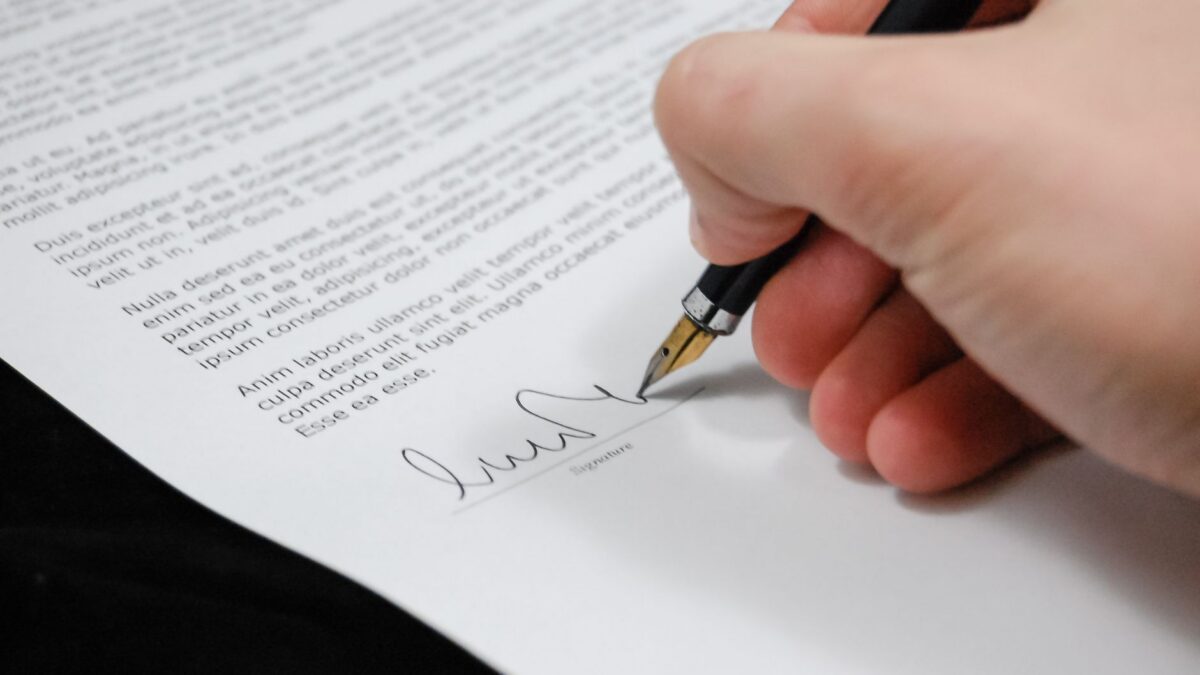
A notario público in Mexico is a lawyer licensed by the state government to give legal certainty (fe pública) to contracts, property sales, wills and powers of attorney. The role is far wider than a US notary public, who mainly verifies signatures. In Mexico City, notary fees follow an official schedule, and a will cost MXN 3,800 during the 2026 will campaign.
How is a Mexican notario different from a US notary public?
The Mexico City Notaries Association (Colegio de Notarios de la Ciudad de México) describes two systems. In the Latin system used in Mexico, the notary must be a lawyer, drafts and keeps the documents, advises all parties impartially, collects certain taxes for the government and must belong to the association. In the Anglo-American system, the notary needs no profession and certifies only that a signature is genuine, not the content.
| Notario público (Mexico City) | US notary public | |
|---|---|---|
| Training | Law degree with professional license, 12 months’ practice under a notary, two exams | No law degree required |
| What they certify | The legal act itself and its content | The identity of the signer |
| Documents | Drafts the deed and keeps the original in the notary’s official books (protocolo) | Stamps a document someone else wrote |
| Taxes | Calculates and collects taxes on property sales and inheritances | None |
In Mexico City, the head of the city government grants the notary license (patente) after a competitive exam, according to the association. A Mexico City notary can act only inside the city, although the deed can cover property located elsewhere.
What does a notary do for residents?
The notary’s office (notaría) is where most big legal events in a household are formalized. The association lists contracts, wills and inheritances, property transfers and mortgages, company formation, powers of attorney, organ donation and advance directives among the main services.
- Property purchase. The notary drafts the sale deed (escritura), checks the title, calculates and withholds taxes such as the city’s property acquisition tax, and files the deed with the Public Registry of Property. Our guide to buying an apartment in Mexico City as a foreigner covers the full purchase.
- Powers of attorney (poder notarial). A formal mandate letting someone act for you, for example to handle a sale or deal with a government office while you are away, or to sign a lease on your behalf (see our guide to renting an apartment in Mexico City).
- Wills (testamento). A public will made before a notary, kept in the notary’s books.
- Inheritances. An estate can be processed entirely before a notary when all heirs are adults and agree. Otherwise it goes to a family court.
- Certified facts (actas). Signature ratifications, formal notices and records of events the notary witnessed.
How much does a notary cost in Mexico City?
Notary fees in Mexico City are set by an official fee schedule (Arancel de Notarios) that the city government updates every January in line with consumer inflation, so the same service should cost about the same at any notaría. The total bill has two parts: taxes, government fees and certificates, and the notary’s own fee. The association says that in a property sale about 85% of what you pay at the notaría goes to taxes and fees, not to the notary.
Notaries agree discounts with the city government from time to time. The best known is the will campaign: in September and October 2026 a will cost MXN 3,800 at Mexico City notaries, including VAT and the official notice that a will exists. Outside the campaign the regular schedule applies. For any other service, ask the notaría for a written quote that separates taxes from fees before you sign anything.
How do you make a will before a notary?
A will in Mexico City can be made from age 16, with an official photo ID and an appointment at a notaría. Witnesses are needed only in special cases, such as a person who cannot read, sign, see or hear. The notary keeps the original in the protocol and gives you a copy, and only the most recent valid will counts.
- List your assets in Mexico and decide on heirs, an executor (albacea) and, if you have minor children, a guardian (tutor).
- Book an appointment at any Mexico City notaría. Bring your passport or resident card.
- Explain your wishes. The notary drafts the will in Spanish; if you do not read Spanish well, ask how the notary handles an interpreter.
- Read the draft, sign it at the notaría and keep your copy with your other papers.
If you also have a will in another country, ask the notary and your home-country lawyer to read both so that they do not contradict each other.
How do you check a notary and get free advice?
The association publishes a directory of Mexico City notaries that you can search by name, notary number, borough (alcaldía) or neighborhood. Every notaría has a number, such as Notaría 52, and the notary’s name should match the directory entry.
The association also runs free legal consultations by appointment on Tuesday, Wednesday and Thursday from 4 to 6 pm at its office on Río Tigris 63 in colonia Cuauhtémoc, with further sites in Xochimilco, Iztapalapa and Álvaro Obregón. Appointments are made by phone on 55 5511 1819, and you need photo ID on the day.
Be wary of anyone who calls themselves a notary but is not in the directory, or who asks for cash outside the notaría. A gestor (paperwork agent) or a lawyer can help with forms, but a public deed is drafted and authorized by the notary.
Bottom line
Use a notaría for any sale, will or power of attorney you want to hold up in Mexico, and ask for a written quote with taxes listed separately. Check the notary in the association’s directory first. If you own property in Mexico City, plan your will for September or October, when the discounted price applies. This is general information, not legal advice; a notary or lawyer decides how it applies to you.
FAQ
Can a foreign resident use a Mexican notary?
Yes. Foreigners can buy property, make a will and grant powers of attorney before a Mexico City notary with a valid passport or resident card. Foreign documents such as birth or marriage certificates usually need an apostille and a Spanish translation.
Can a notary handle an inheritance without going to court?
Yes, if all heirs are adults and agree. The notary publishes two notices in a national newspaper and records the heirs’ acceptance; with minors or a dispute, the case goes to a family court.
Do notary fees vary between notarías?
Only a little. Mexico City notaries must charge according to the official fee schedule, so differences usually come from the specific work involved, not from the office.
Is the will campaign only in September?
The national campaign is called “September, Will Month”, but in 2026 Mexico City notaries kept the MXN 3,800 price through October as well. Check the association’s announcements each year.