Mexico City Loses 40% of Its Water to Leaks as Aquifers Run Dry
Mexico City loses 40% of its water supply to leaks and pumps 70% from overused aquifers. The figures behind the CDMX water crisis and who goes without.
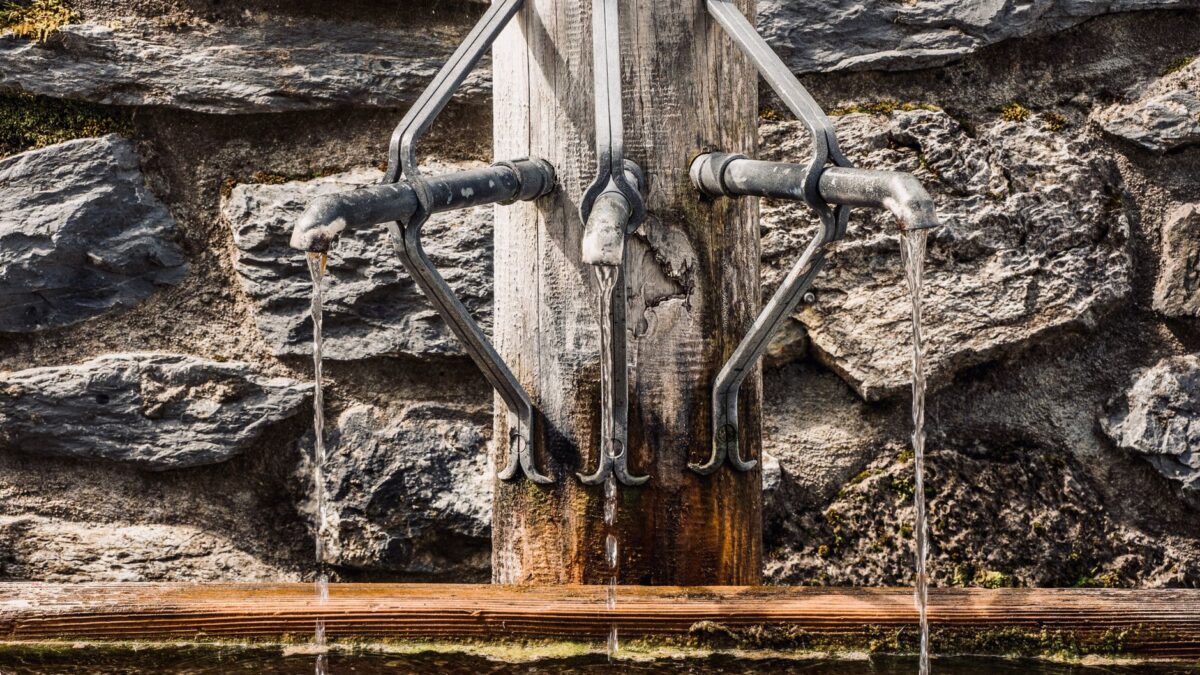
Mexico City’s water problem is worse in the medium term than the dirty-water crisis now hitting Guadalajara, José Luis Luege Tamargo, a former head of the National Water Commission (Conagua) and former environment secretary, told El Financiero. The capital takes about 70 percent of its water from underground aquifers that are in a critical state of overuse, and about 40 percent of the supply is lost to leaks, according to the experts the paper interviewed.
For residents, the result is uneven service: some districts get water every day while others receive it only a few hours a week through rotating supply, known as tandeo.
The numbers behind the CDMX water crisis
- 70 percent of the city’s water comes from aquifers under the city, which hydrologists classify as critically overexploited, Luege Tamargo said.
- 128.7 percent is the pressure on water resources in the Valley of Mexico hydrological region, rated “Very High” in the National Water Program 2026-2030. That means use exceeds local renewable supply by almost 29 percent. The United Nations considers a territory water-stressed when it withdraws 25 percent or more of its renewable fresh water.
- 22 percent of the supply comes from the dams of the Cutzamala System, according to the city government’s 2025 annual report. Wells and aquifers inside the capital provide most of the rest.
- 40 percent of all water supplied is lost through leaks, said Delia Montero Contreras, a researcher and founding member of the Water Network at the Metropolitan Autonomous University (UAM).
- 40 centimeters a year is how fast the Historic Center is sinking, according to the National Autonomous University (UNAM). Pumping groundwater is one of the main causes.
- 22 of every 100 Mexico City residents do not have water every day at home, according to the 2020 INEGI census.
Which alcaldías have the least water at home
The center and west of the city have regular supply. The south and east do not. According to 2025 figures cited by El Financiero, these boroughs (alcaldías) have the lowest share of homes with water directly inside the house:
- Milpa Alta: 50.6 percent, and 11 percent of residents have no piped water at all
- Xochimilco: 71.3 percent, with 6.8 percent lacking piped water
- Tlalpan: 82.2 percent, with 3.8 percent lacking piped water
- Iztapalapa: 83.3 percent, and 16.7 percent of residents get water only in the yard or on the lot
Why it matters: heavy rain, empty aquifers
The city floods during the rainy season and still runs short. In August 2025 Mexico City recorded average rainfall of 248 millimeters, the highest in 30 years and far above the historical average of 135.10 mm for 1982 to 2024. Luege Tamargo said the Valley of Mexico receives almost three times the water it would need, but concrete and asphalt stop most of it from soaking into the ground. Much of it evaporates, and the rest floods streets, above all in the east of the city.
Areas that recharge the aquifer, such as Chapultepec Forest and Xochimilco, have shrunk as the city has grown over them, Montero Contreras said. She added that leak-detection technology exists but the authorities have not invested in it. Her team at UAM once captured rain from three university roofs, filtered it and sent it into a deep well, which she cited as an example of what infiltration works could do.
Both specialists said fixing the system will need very large, long-term public investment. Luege Tamargo said municipalities are broke, states have little money and the federal government has chosen to spend elsewhere.
What residents know about water quality
Mexico recognized the human right to water in February 2012, and it is written into Article 4 of the Constitution. Montero Contreras said the bigger problem is a lack of information. In 2024, residents in Narvarte, in the Benito Juárez borough, reported contaminated tap water, and her UAM team found petroleum derivatives in samples.
In May 2024 the city’s water agency at the time, Sacmex, sealed the lab results for three years, saying they were part of a prosecutor’s investigation into alleged sabotage. In June 2024 the city’s transparency institute, Info CDMX, overturned that decision and ordered the studies released. Without clear data, Montero Contreras said, residents cannot see how water is managed, what the budget is spent on or which officials to hold to account.
Source: El Financiero