Profeco Flags Fake Buen Fin 2026 Deals and ‘Ghost’ Online Stores
Profeco and Condusef list the warning signs of fake Buen Fin 2026 offers and phantom online shops, and how they say buyers can protect card data.
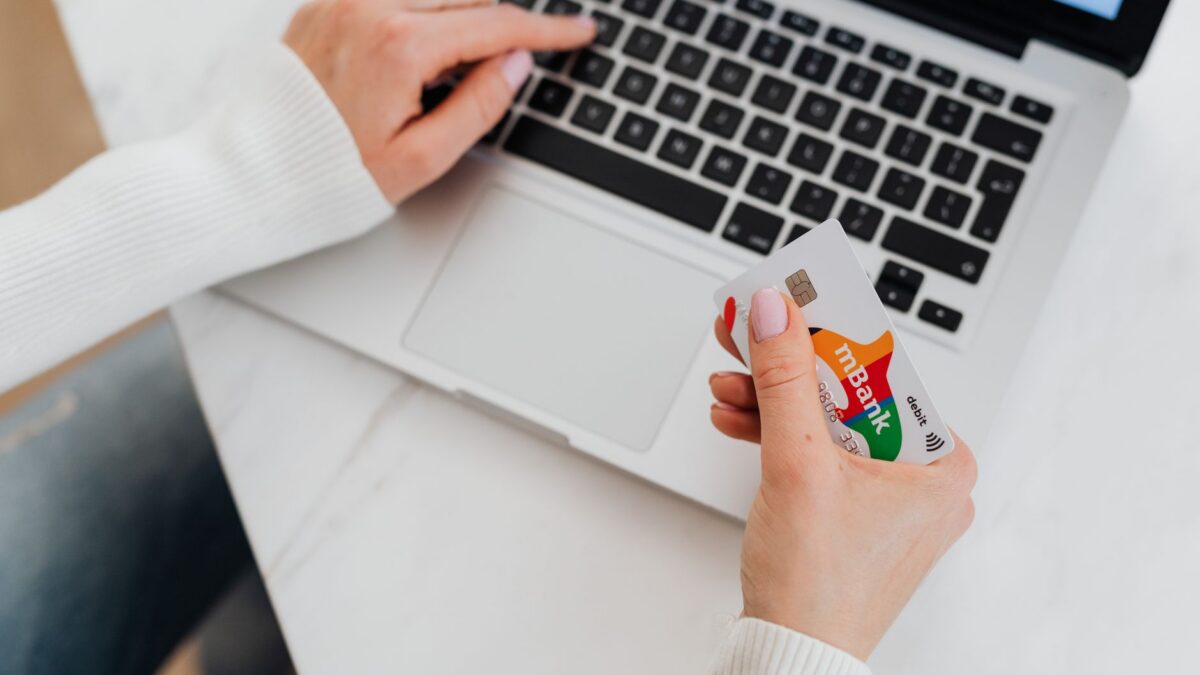
Mexico’s consumer protection agency, the Procuraduría Federal del Consumidor (Profeco), is warning online shoppers that fake websites and “ghost” stores are using Buen Fin 2026 discounts as bait. According to El Financiero, these sites charge buyers for products that never arrive and can also capture personal and banking data.
The financial services watchdog, the Comisión Nacional para la Protección y Defensa de los Usuarios de Servicios Financieros (Condusef), has added its own guidance on paying safely, as more of the season’s shopping moves online.
How the copycat stores work
Profeco says fraudsters build pages that copy the logos, names and design of well-known brands. A shopper who thinks they are on a familiar retailer’s site may hand over a card number or personal details to a stranger instead.
The agency lists several warning signs:
- Discounts that are far too steep to be believable.
- Ads for high-demand products at prices that make little sense.
- Social media profiles that were created very recently.
- Web addresses with spelling mistakes in them.
Links are the other main route in. WhatsApp messages, emails and social media posts promoting “limited-time” deals can lead straight to fraudulent pages, El Financiero reported.
What Profeco tells buyers to check
Profeco’s guidance is to reach a store by typing its official website address directly, rather than following a link from an unknown sender. The agency also points to a web address starting with https:// and to contact details on the site, such as a physical address and phone number, along with privacy, shipping and returns policies.
Profeco also runs a tool called Monitoreo de Tiendas Virtuales (virtual store monitoring), which lets shoppers look up whether an online business complies with the rules that apply to internet sales.
Condusef’s rules for card and bank data
Condusef favors digital cards with dynamic security codes, which change over time, as the safer way to pay. It cautions against bank transfers or deposits into personal accounts when the seller’s identity is not certain.
The watchdog’s other points: do not share passwords, your PIN (NIP in Spanish) or verification codes sent to your phone; avoid paying over public Wi-Fi; and do not let sites of doubtful origin save card details automatically.
What it means if a purchase goes wrong
Evidence matters if a store fails to deliver. El Financiero reports that the agencies point to keeping receipts, confirmation emails, order numbers and screenshots of the promotion as proof.
Bank alerts help catch charges a cardholder does not recognize. A suspicious transaction should be reported to the bank right away. When a merchant does not honor the terms of a sale, Profeco offers guidance through its consumer hotline, the Teléfono del Consumidor.
For English-speaking residents shopping during the sales, the practical effect is that Mexico’s two consumer agencies handle different sides of a problem: Profeco deals with the store and the sale, while card fraud starts with a call to your bank. The dates of the event and the rules on Buen Fin 2026 interest-free installments and shopper rights are covered separately.
Source: El Financiero