Palacio de Bellas Artes Mexico City: Murals and How to Visit
The Palacio de Bellas Artes holds Mexico's national opera, ballet and orchestra and murals by Rivera and Orozco. What to see, when it was built and how to plan a visit.
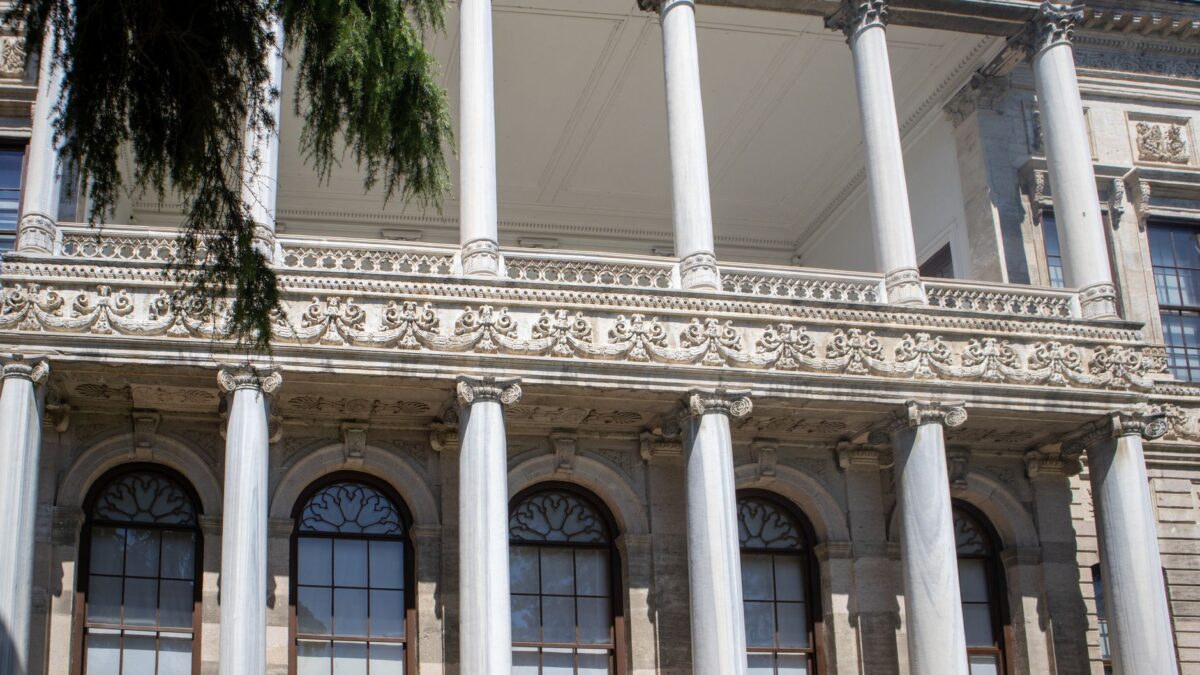
The Palacio de Bellas Artes (Palace of Fine Arts) is a marble theater and cultural center on the western side of Mexico City’s historic center, next to the Alameda Central park. Visitors come for its murals, its Art Nouveau exterior and Art Deco interior, its famous glass stage curtain and its stage performances, including the Ballet Folklórico de México. The official Mexico City tourism page for Bellas Artes says the full calendar of musical and other events is always posted on the Bellas Artes website, so that is the place to check dates before you go.
What the Palacio de Bellas Artes is
The building is the headquarters of the Instituto Nacional de Bellas Artes y Literatura (INBAL, the national fine arts and literature institute), which coordinates artistic and cultural activity across the country through policy and education. Several national companies are based here: the National Theater company, the National Dance Company, the National Symphony Orchestra, the National Opera Company, the Ballet Folklórico de México and the Fine Arts Chamber Orchestra.
The main hall holds some 1,700 guests, according to the city tourism page. Wikipedia gives a seating capacity of 1,590, so figures differ depending on the source and the configuration of the hall.
How the palace was built
The site once held the Convent of Santa Isabel, whose church dates to 1680. After the Reform Laws closed the convent in the 1860s, the property became a textile mill and housing. A National Theater later stood on part of it, and it was demolished in 1901 so that a grander building could mark the 1910 centennial of Mexican independence.
The Italian architect Adamo Boari started the new project in 1904. The heavy structure sank into the soft subsoil of Mexico City, and the political turmoil before and during the Mexican Revolution slowed work until it stopped, with Boari leaving for Italy. By 1913 little more than a basic shell stood. The project sat unfinished for about twenty years.
Mexican architect Federico Mariscal took over in 1932 and redesigned the interior in Art Deco, with motifs drawn from the pre-Hispanic past. The building was completed in 1934. The two sources give different opening dates: the tourism page says Sept. 29, while Wikipedia says Nov. 29. Both agree on 1934. Wikipedia adds that the building has sunk about four meters into the ground since construction began.
What to see outside
The main facade faces Avenida Juárez and is covered in white marble. Near the entrance are sculptures by the Italian artist Leonardo Bistolfi, and the plaza in front has four Pegasus sculptures by the Spanish sculptor Agustí Querol Subirats. The central roof is made of glass designed by the Hungarian artist Géza Maróti and shows the muses with Apollo.
A pergola that once stood on the Alameda side to host painting exhibitions was torn down in 1973.
What to see inside: murals and the glass curtain
The interior is faced in marble, with a main hall, smaller exhibition halls, the theater and the institute’s offices. Window arches carry serpent heads and the light panels carry Chaac masks, a nod to pre-Hispanic design in a modern setting.
- First floor: murals by Rufino Tamayo, and two recital halls named for Adamo Boari and Manuel M. Ponce.
- Second floor: smaller exhibition halls with murals by José Clemente Orozco, David Alfaro Siqueiros, Diego Rivera, Jorge González Camarena, Roberto Montenegro and Manuel Rodríguez Lozano.
- Third floor: the Museo de Arquitectura (Museum of Architecture).
Inside the theater, the stage curtain is made of nearly a million pieces of colored glass from the New York workshop of Tiffany. It weighs some 24 tons, and its design shows the volcanoes Popocatépetl and Iztaccíhuatl. The tourism page calls it unique in the world. At the theater entrance, bronze masks represent Tlaloc and Chaac, water deities of the Aztec and Maya peoples.
Seeing a performance
The tourism page says most international visitors come for the Ballet Folklórico, whose dance needs no language to follow. The troupe has performed traditional and regional dance from across Mexico for more than 60 years. Programs, dates and tickets for this and other performances are listed on the official Bellas Artes website, since the sources used here give no prices or opening hours.
Practical information
- Location: Centro, Cuauhtémoc, Mexico City, with the main facade on Avenida Juárez and the park to the side.
- Hours and tickets: not stated in the sources. Confirm on the official Bellas Artes website before you go.
- Nearby: the tourism page places the palace on a walking route between the Alameda and Madero, and lists the Torre Latinoamericana as the next stop.
Tips for visiting
Check the event calendar first, because performances and exhibitions follow their own schedules. Allow time to walk each floor, since the murals are spread across several levels. If you are planning more days in the city, the guide to Chapultepec Castle hours and tickets covers another major site, and this weekend’s events in Mexico City lists current activities. For late-year visits, see the notes on weather, air quality and holiday dates in December.
Quick answers
Who designed the Palacio de Bellas Artes?
Adamo Boari designed the exterior and began work in 1904. Federico Mariscal took charge in 1932 and finished the Art Deco interior.
Which artists painted the murals?
Diego Rivera, David Alfaro Siqueiros, José Clemente Orozco, Rufino Tamayo and Jorge González Camarena, with works later added by Roberto Montenegro and Manuel Rodríguez Lozano.
Where can I find the program of events?
The official Bellas Artes website posts the complete agenda of musical and other events.
Checked against official sources in November 2026. Hours, prices and rules change: confirm on the official page before you go or apply.