MUNAL Mexico City: Hours, Tickets and What to See Inside
MUNAL, Mexico's national art museum on Tacuba in the Centro, opens Tuesday to Sunday, 10 a.m. to 5:30 p.m. What to see, the building and visiting tips.
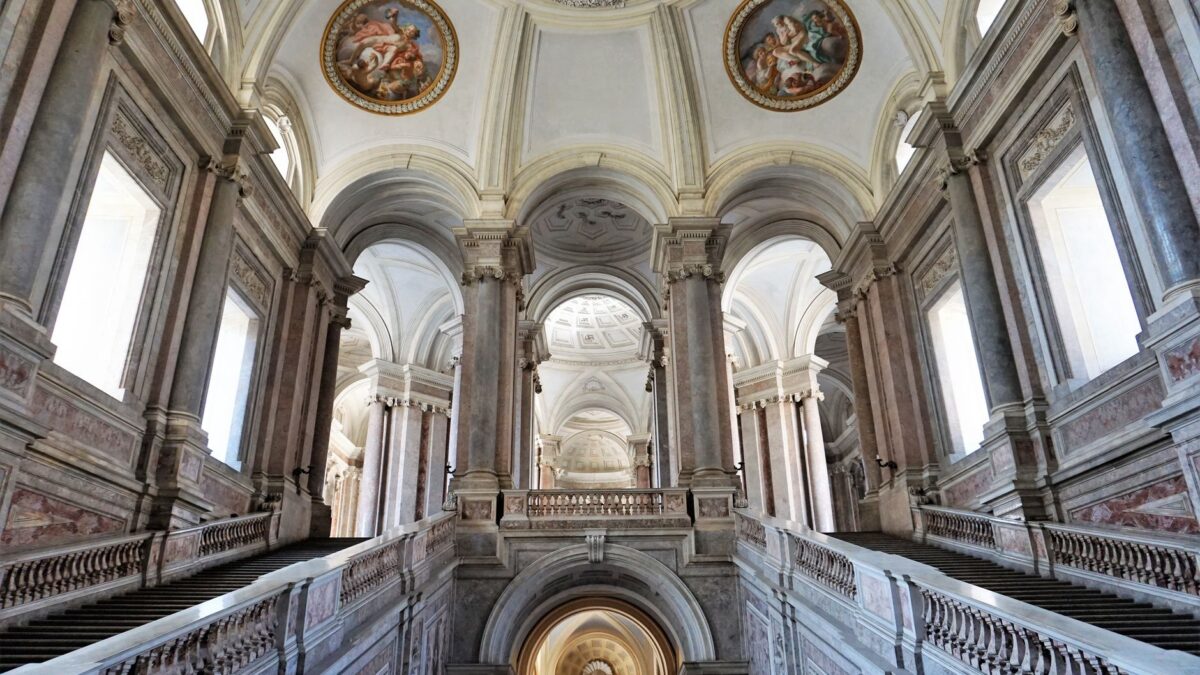
The Museo Nacional de Arte (MUNAL), Mexico’s national art museum, traces Mexican art from the mid-16th century to the mid-20th century in a former government palace at No. 8 Tacuba in the Centro Histórico. It opens Tuesday through Sunday from 10 a.m. to 5:30 p.m. and closes on Mondays. The building itself, with its Reception Hall and the Patio de los Leones, is part of the visit.
What is MUNAL?
MUNAL opened in 1982 and reopened in 2000 after a long renovation that brought the building back to its original look and added modern equipment for conserving the art. It belongs to the Instituto Nacional de Bellas Artes y Literatura (INBAL, the federal fine arts institute), which also runs the Palacio de Bellas Artes and its murals a few blocks away. The permanent collection has more than 3,000 works, and the museum has some 5,500 square meters of exhibition space.
The Mexico City tourism office calls it one of the most visited museums in the city. Besides the permanent galleries, the museum puts on temporary shows on Mexican art history and hosts exhibitions that travel from abroad, and it also runs workshops, colloquiums and publications.
What can you see in the permanent collection?
The galleries move through three periods of Mexican art, so the easiest way to visit is in order. According to Wikipedia’s entry on the museum, the rooms are laid out like this:
- “Asimilación de occidente” (Assimilation of the West), the colonial period from 1550 to 1821, in Salons 1 to 14 on the second floor. It follows how European painting took root in New Spain and led to the Academy of San Carlos.
- “La construcción de la Nación” (Construction of a Nation), the first century after Independence, in Salons 19 to 26 on the second floor. Much of it is Romantic-era painting of Mexican landscapes and customs.
- “Estrategías plásticas para un México moderno” (art strategies for a modern Mexico), the years after the Mexican Revolution through the 1950s, in Salons 27 to 33 on the first floor. This section overlaps with the rise of the muralist movement.
Colonial works in the collection include Luis Juárez’s Saint Michael the Archangel (1620), José Juárez’s Martyrdom of Saint Lawrence (1650) and Cristóbal de Villalpando’s The Betrothal of the Virgin (1714). Some salons hold temporary exhibitions, so not every room will show the permanent collection on the day you go.
Art made after the 1950s is shown at other INBAL museums, including the Museum of Modern Art in Chapultepec Park, which is easy to pair with a visit to Chapultepec Castle.
Why is the building worth a look?
MUNAL sits in the old Palace of Communications, designed by the Italian architect Silvio Contri for the Secretariat of Communications and Public Works. Work started in 1904 and finished in 1911, using Mexican labor and Italian craftsmen, on land that had once held the San Andrés college and later a hospital. The government wanted the palace to show the country’s push toward modernization, and the design mixes several older styles, as was common at the time.
Much of the decoration came from Florence. Wikipedia credits the Coppedé family with the door knockers, window frames, leaded glass, stonework, furniture, lamps and ironwork. After the ministry moved out, the palace became the Archivo General de la Nación (the national archive) before turning into the art museum in 1982.
Two spaces are worth the detour:
- The Reception Hall on the second floor, modeled on grand European halls, with metal and crystal ornaments and allegorical murals on science, the arts, liberty, history, work and progress. President Porfirio Díaz used it for public announcements and to receive foreign dignitaries.
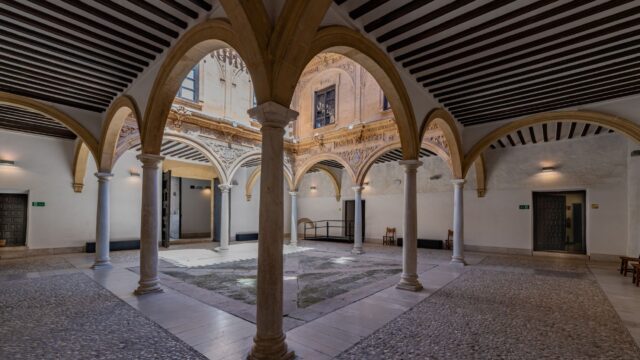
- The Patio de los Leones, which combines Classic and Gothic styles around a large semicircular staircase leading to the upper floors.
Both rooms are also used for concerts, book signings and press conferences, so access can depend on the events calendar.
What is the statue outside?
The large equestrian statue in front of the museum is Manuel Tolsá’s Charles IV of Spain, known as El Caballito. Charles IV was the last Spanish king before Mexico won independence. The statue first stood in the Zócalo and was moved several times, according to its plaque to protect the artwork, before it reached its current spot in 1979. The square is named Plaza Tolsá after the sculptor.
Hours, tickets and getting there
Address: Tacuba No. 8, Col. Centro, Mexico City. Hours: Tuesday through Sunday, 10 a.m. to 5:30 p.m. Tickets: neither source lists current prices or free-entry days, so check the museum’s own website before you go. Getting there: the museum is in the Centro Histórico, a short walk from the Zócalo and next to the Palacio de Correos (the old Postal Palace).
The city’s “Heart of México” walking route that runs past MUNAL is called Manuel Tolsá – Santa Veracruz.
Tips for visiting
- Do not plan a visit for a Monday, when the museum is closed.
- Start upstairs with the colonial rooms and work forward in time, ending with 20th-century art on the first floor.
- Leave time for the Reception Hall and the Patio de los Leones, both on the way between the painting galleries.
- Combine MUNAL with the Palacio de Correos next door and Bellas Artes nearby. Our guide to the best art museums in Mexico City helps plan a longer art day.
Quick answers
Is MUNAL open on Mondays?
No. MUNAL opens Tuesday through Sunday, 10 a.m. to 5:30 p.m.
How big is the collection?
The permanent collection has more than 3,000 works shown across some 5,500 square meters, covering 1550 to the 1950s.
Where is the museum?
At No. 8 Tacuba in the Centro Histórico, on Plaza Tolsá, behind the equestrian statue of Charles IV.
Does MUNAL have works by Frida Kahlo or modern artists?
Its galleries stop around the 1950s, and later art is shown at other INBAL museums. For Kahlo, see our guide to the Casa Azul in Coyoacán.
Checked against official sources in November 2026. Hours, prices and rules change: confirm on the official page before you go or apply.