Museo Anahuacalli Mexico City: Hours, Tours and Visiting Tips
Museo Anahuacalli in Coyoacán opens Tuesday to Sunday, 11:00 to 18:00. See what's inside Diego Rivera's stone museum, guided tours and how to get there.
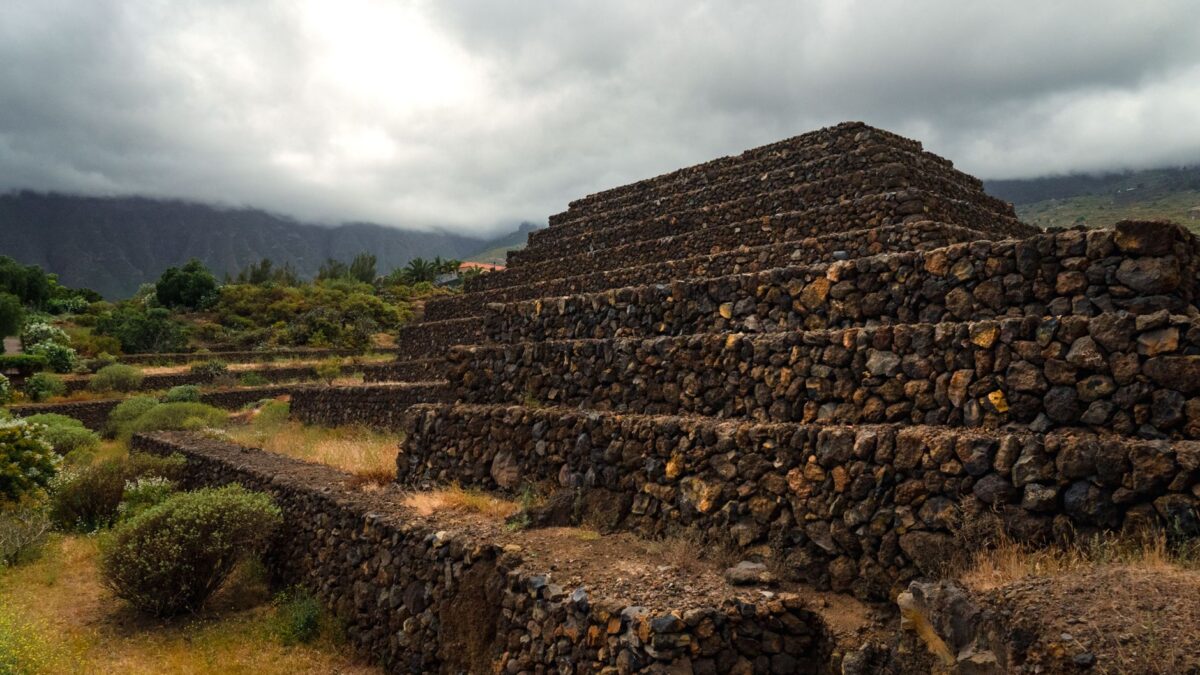
The Museo Anahuacalli is the museum Diego Rivera designed to hold his collection of pre-Hispanic art, a dark stone building shaped like a temple in the San Pablo Tepetlapa area of Coyoacán. It is open Tuesday to Sunday from 11:00 to 18:00, with guided tours that start at 11:00 and run until a last tour at 17:00. About 2,000 archaeological pieces are on display in 23 exhibition rooms, and the roof terrace looks out over the city.
People come for two things at once: the collection, and a building that looks like nothing else in Mexico City. Its full name is Museo Diego Rivera Anahuacalli. In Nahuatl, the name is usually translated as “house surrounded by water.”
Who built the Anahuacalli, and when?
Before it was a museum, the land was a small ranch where Rivera and Frida Kahlo grew vegetables, kept bees and milked cows, according to Mexico City’s official tourism site. Rivera bought the plot in the Pedregal de San Ángel and planned a much larger “City of the Arts” around it, with workshops, stages for the performing arts and exhibition halls. He spent a large share of his own money on the project.
Sources give different start dates. The Wikipedia entry on the museum says construction began in 1942, after Rivera came back from painting the mural Pan American Unity in San Francisco in 1940. The city tourism page dates the start of the transformation to around 1946.
Rivera died before the building was finished. His daughter Ruth Rivera Marín completed it with the architects Juan O’Gorman and Heriberto Pagelson, and the collector Dolores Olmedo paid for much of the work. Construction ended in 1963, and the museum opened to the public on Sept. 18, 1964. The foundation stone carries a line from Rivera saying he was returning to the people what he had rescued of their ancestors’ art.
What does the building look like?
The design is modeled on a teocalli, the Nahuatl word for a “house of the gods.” The building is U-shaped, with a massive base topped by a temple, and it borrows from the architecture of Teotihuacán and Tenochtitlán. Wikipedia describes the mix as mainly Toltec and Maya: sloped walls, pillars carved like serpents and diamond-shaped doorways. Rivera himself called the style a blend of Aztec, Maya and what he named “Traditional Rivera.”
The walls are dark basalt from the lava of the Xitle volcano, quarried on the same ground where the museum stands, so the building blends into the native plants of the Pedregal. The city tourism page says Rivera drew on Frank Lloyd Wright’s ideas of organic architecture to fit the building into the landscape. Inside, the flat ceilings are covered in mosaics made by Rivera and O’Gorman.
What will you see inside?
The 23 rooms hold about 2,000 archaeological pieces from the Olmec, Toltec, Nahua, Zapotec and Teotihuacan cultures. The poet Carlos Pellicer, who designed the permanent display at Rivera’s request, grouped the objects by artistic quality rather than by period or culture. For that reason the pieces have no individual labels, which surprises visitors used to the detailed cards at the National Museum of Anthropology. If you want the historical context first, go there before you come here.
Each year the museum also stages contemporary art exhibitions, chosen to sit alongside the architecture and the ancient pieces, as Rivera wanted. The grounds include an ecological space that protects plants and animals native to the area.
Climb to the roof terrace before you leave. It has wide views across the south of the city.
What else happens at the museum?
The Anahuacalli runs a community program: guided tours, concerts, children’s workshops and classes in guitar, dance, singing and acting. Guided tours last between 30 and 45 minutes. The museum also has a virtual tour if you want to look around before you go.
Practical information
Address: Museo 150, San Pablo Tepetlapa, 04620, Coyoacán. Hours: Tuesday to Sunday, 11:00 to 18:00; closed Mondays. Guided tours: 30 to 45 minutes, first at 11:00, last at 17:00. Tickets: prices are not listed on the city page, so check the museum’s own website before you go. Getting there: the Xotepingo and Nezahualpilli stations of the Tren Ligero (light rail) are about 15 minutes away on foot.
Tips for visiting
- Arrive by 17:00 if you want a guided tour, since that is the last one of the day.
- Pair it with the Casa Azul, the Frida Kahlo Museum, which Wikipedia puts about 10 minutes away by car.
- Do not plan a Monday visit, when the museum is closed.
- For more museums in the same style of day, see our comparison of art museums across Mexico City.
Quick answers
Is the Museo Anahuacalli open on Mondays?
No. It opens Tuesday to Sunday from 11:00 to 18:00.
How long does a visit take?
A guided tour lasts 30 to 45 minutes. Add time for the roof terrace and any temporary exhibition.
What is the nearest public transport?
The Xotepingo and Nezahualpilli light rail stations, each about 15 minutes away on foot.
Did Diego Rivera see the museum finished?
No. Ruth Rivera Marín, Juan O’Gorman and Heriberto Pagelson completed it after his death, and it opened in 1964.
Checked against official sources in November 2026. Hours, prices and rules change: confirm on the official page before you go or apply.